
Reviewed · RWANDAN COFFEE AND TEA TOURS
Local Community Tour(Cultural, Coffee,Village walk,Local food)
Come hungry and ready to join in. This private Kigali experience takes you beyond city sights and into everyday Rwandan life through food, farming, music, coffee, village walks, and family stories. I especially like the chance to prepare traditional dishes with local people and the hands-on drumming lesson, which one guest called a highlight of the trip.
I also like the range of activities. You can focus on home life, choose coffee or banana beer production, meet cattle and learn about milking, or add a Mount Jali hike. The main concern is value: at $170 per person, the price may feel high if your visit includes only a short village stop and a few activities rather than a full day of experiences.
In This Review
- Key things to know before you book
- What this Kigali community tour is really about
- Cooking with a Rwandan family
- Drumming, dancing, and village stories
- From banana plantation to banana beer
- Coffee preparation from plantation to cup
- Cows, milking, and the working farm
- A village walk with real room to look around
- Mount Jali hiking and outdoor options
- What the $170 price includes
- Who will enjoy this experience most
- Pickup, timing, and cancellation
- Should you book this Kigali village experience?
- FAQ
- Where does the tour take place?
- What time does the tour start?
- Where is the meeting point?
- How long does the experience last?
- Is this a private tour?
- What is included in the price?
- Can I choose which activities to do?
- What should I bring?
- Can I cancel for a full refund?
Key things to know before you book
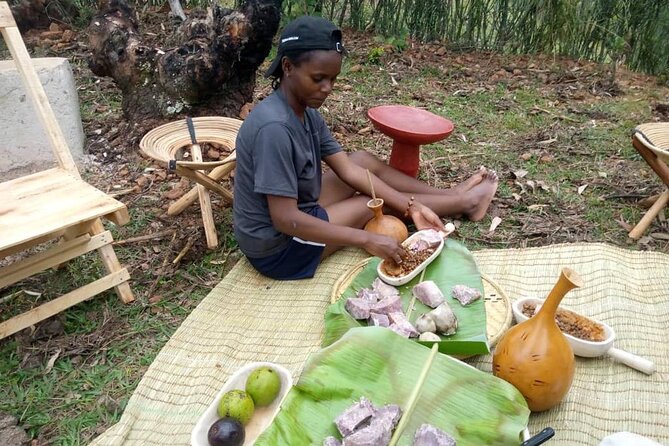
- Traditional food is part of the experience: You help prepare and eat local dishes using traditional tools such as an imbehe and inkoko.
- Drumming offers the most hands-on fun: You do not just watch a performance. You get a chance to learn traditional rhythms.
- Coffee goes from plantation to cup: The coffee activity follows the process from growing and preparing the beans to drinking the finished coffee.
- You choose from three activity groups: Home hosting, agricultural experiences, and adventure activities shape the day.
- This is a private tour: Only your own group participates, with transport, a guide, lunch, water, and soft drinks included.
- Bring practical gear: Hiking shoes, a raincoat, water, heavy snacks, and sugary drinks are recommended.
What this Kigali community tour is really about
This is not a standard city sightseeing trip. It is built around participation. You spend time with a Rwandan family, help with food preparation, hear stories, meet people in the community, and see how farming and household work fit together.
That matters because Kigali can give you a polished first impression of Rwanda. The city is clean, orderly, and modern in many areas. This outing gives you a chance to see a different side of the country, one shaped by village routines, local food, livestock, music, and shared work.
The experience lasts about four to seven hours, though the listed itinerary describes a four-hour visit. The exact length appears to depend on which activities you select. I would ask the provider to confirm your plan before departure, especially if you want both a cultural session and a hike.
Your day starts at 7:00 a.m. at Rwagasabo Safaris Rwanda on KN 3 Ave in Kigali, unless pickup arrangements are made. Transport is included, and the activity is private, so you avoid being folded into a large group with strangers. That gives you more freedom to ask questions and spend extra time on an activity that interests you.
More coffee and tea tours:
- Kigali: Traditional Coffee Experience ( Bean to Brew)
★ 4.8 · 54 reviews - Specialty Coffee Masterclass
★ 5.0 · 33 reviews - Women-led Coffee Farm Trek
★ 5.0 · 19 reviews
Cooking with a Rwandan family
Food is one of the strongest reasons to choose this outing. You do not simply sit down to a prepared lunch. You can help make traditional dishes, work with local ingredients, and learn how food is prepared in a Rwandan home.
The cooking session may include smashing bananas and grinding sorghum grain on a grinding stone. These are simple tasks, but they give the meal a physical connection to the work behind it. You see that local cooking is not just a recipe. It can involve farming, processing, tools, timing, and several people working together.
The meal is served with traditional tools, including an imbehe and inkoko. The supplied information does not explain every dish that may appear, so you should not expect a fixed menu. If you have allergies, dietary restrictions, or foods you avoid, tell the provider before the tour.
Lunch is included, along with bottled water and soda. Personal snacks are not included, which is worth noting because an early start and several active sessions can make you hungry. The advice to bring heavy snacks and drinks with sugar is especially useful if you choose hiking or spend a long time outdoors.
I like this part of the program because it creates a natural reason to talk. Food gives you something to do with your hands while you learn about household life, local habits, and family stories. It is also less formal than a museum visit. You can ask questions as the meal takes shape.
Drumming, dancing, and village stories
The cultural activities include traditional dancing, drumming, storytelling, basket weaving, traditional archery, beekeeping, farming, and local plant identification. You will not necessarily do every activity in one visit. The program offers a menu of choices, so ask which ones are planned for your group.
The drumming session deserves special attention. Serge, one of the guides, received specific praise for leading the experience. A guest who felt the overall cost was high still considered the drumming lesson a clear highlight. That is useful advice: if time is limited, make sure drumming is included rather than assuming every listed activity comes automatically.
You may also take part in traditional dancing. The quality of this kind of activity depends partly on your willingness to join in. You do not need to be a dancer or musician. A sense of humor helps more than skill.
Storytelling gives the visit a slower pace. After the meal, you can listen to stories and learn about village life from people who live it. The value here is not a long lecture. It is the chance to connect everyday tasks with local customs and family experience.
Basket weaving, archery, beekeeping, and plant identification add variety. If one of these interests you, mention it during booking. Since the tour is private, your group may have a better chance of shaping the schedule than it would on a large shared excursion.
From banana plantation to banana beer
The agricultural section gives you a useful look at how a common crop becomes a drink. The banana beer activity begins at a banana plantation and continues through juice making, fermentation, and tasting.
You may help with the early steps rather than simply receiving a finished drink. The process shows how local food and drink traditions use what is grown nearby. It also makes the banana plantation more than a photo stop.
The final tasting is part of the experience, so this may not suit you if you do not drink alcohol. The information provided does not state the alcohol content, serving size, or whether a nonalcoholic option is available. Ask before you book if that matters to you.
I like that this activity connects agriculture with social life. Drinks are not only products. They can be part of conversation, hospitality, and celebration. Tasting banana beer with local people gives the activity a human side that a factory tour would not provide.
More food tours in Kigali:
- Rwanda Half-Day Walking Food Tour
★ 5.0 · 35 reviews - Kigali: Guided Art, History, and Food Tour with Moto Ride
★ 4.9 · 34 reviews - Kigali: Learn How to Make Hot Sauce from Scratch
★ 5.0 · 12 reviews - Kigali City Tour with Local Expert & Local Food
★ 5.0 · 8 reviews
Coffee preparation from plantation to cup
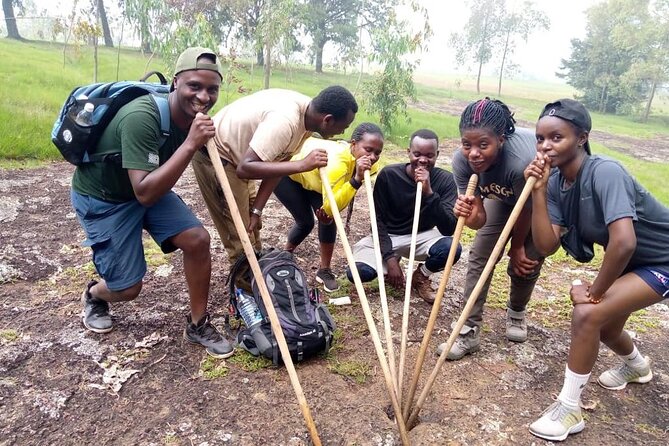
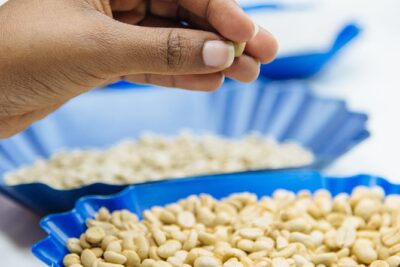
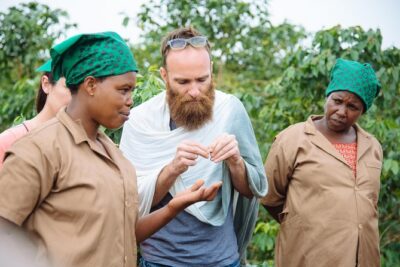
Coffee is another main activity, and it follows the crop through several stages. You begin with the plantation and learn how coffee is prepared before drinking the finished cup.
The description does not list every step or specify the type of coffee served. Still, the basic structure is clear: this is intended as a practical, start-to-finish coffee lesson. If you enjoy coffee, you will likely find more value here than in a quick café tasting because you can connect the drink with cultivation and preparation.
The coffee session may be a good alternative to banana beer for anyone who does not drink alcohol. It also suits visitors who want an agricultural activity but prefer a calmer pace than hiking or cattle work.
Ask how much time is reserved for coffee if it is your top choice. With a four-hour schedule, the number of activities may affect how much time you get at each one. You should not assume that selecting several highlights means you will receive a full workshop for every activity.
Cows, milking, and the working farm
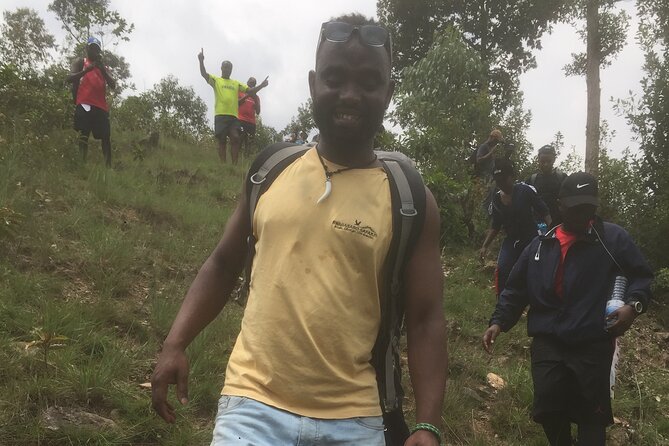
The cattle activity focuses on traditional cows and milking. This can give you a direct look at the role of livestock in rural household life.
The program also describes a routine that may begin early with feeding animals before other work starts. That detail helps explain why the 7:00 a.m. start matters. You are not arriving at the end of the day after all the work is finished. An early visit may give you a better chance to see household and farm tasks as part of a normal rhythm.
This activity is a good fit if you like practical demonstrations more than staged entertainment. You may get more from it if you ask about feeding, milking, and the place of cattle in the community. The supplied information does not promise a particular breed, herd size, or exact milking schedule, so keep your expectations flexible.
A village walk with real room to look around
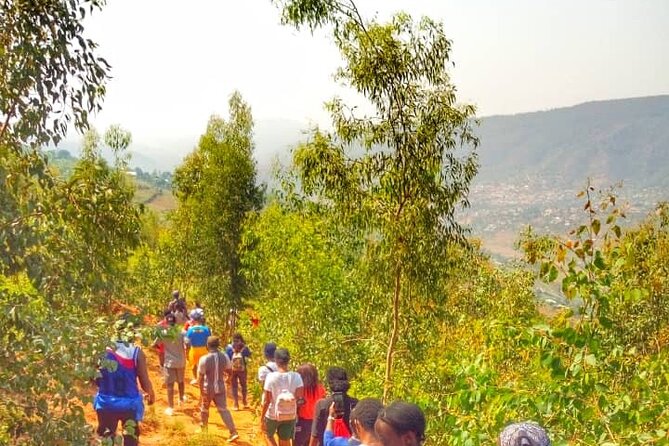
The village walk appears in both the home-hosting and adventure choices. It is one of the simplest activities, but it may be among the most valuable.
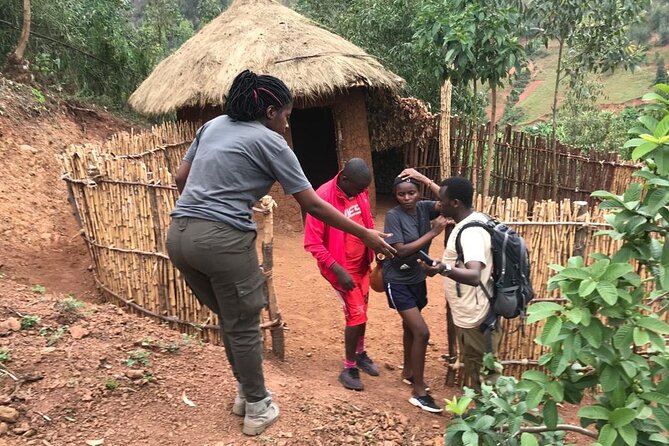
Walking lets you meet local people, see the area at a human pace, and notice details that disappear from a vehicle. You can ask about plants, farming, homes, livestock, and daily work as you go. The walk also links the other activities together. Food, coffee, cattle, and medicinal plants make more sense when you see them in their local setting.
The experience includes local plant taxonomy and medicinal plants that are used to help with illness. Treat this as cultural information, not medical advice. The description does not promise medical treatment or professional health guidance.
A village walk may be less structured than the cooking or drumming sessions. That is part of its appeal, but it also means the experience can vary with the route, weather, and community schedule. Wear shoes you can walk in and carry the recommended water.
Mount Jali hiking and outdoor options
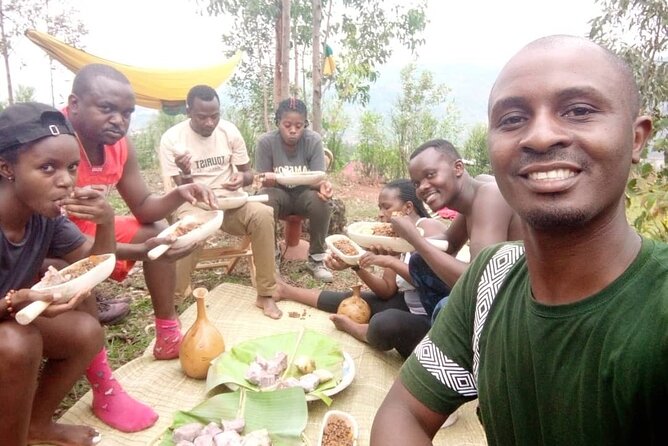
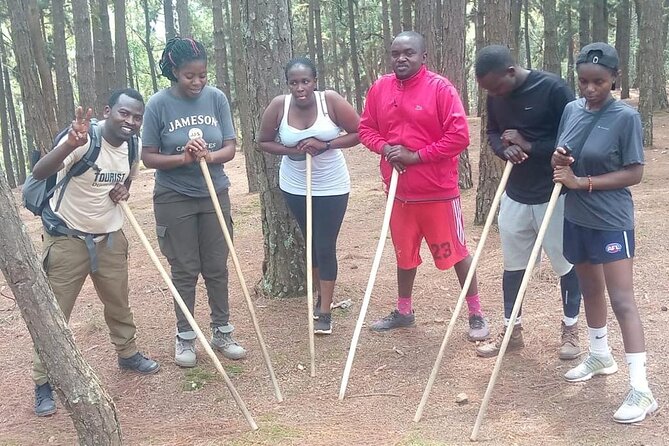
The adventure choice can include a hard, high, or medium-elevation hike on Mount Jali. You may use hiking sticks and binoculars while taking in the views around Kigali.
This is not the safest choice for every person in a short cultural outing. The options suggest different levels of effort, but the information does not give trail length, elevation gain, distance, or a detailed fitness rating. Ask the guide to explain the route before you commit.
Good footwear matters. Bring hiking shoes, water, heavy snacks, a raincoat during the rainy period, and drinks with sugar. The advice is practical rather than decorative. A hike can make the day more demanding than the cooking and village activities alone.
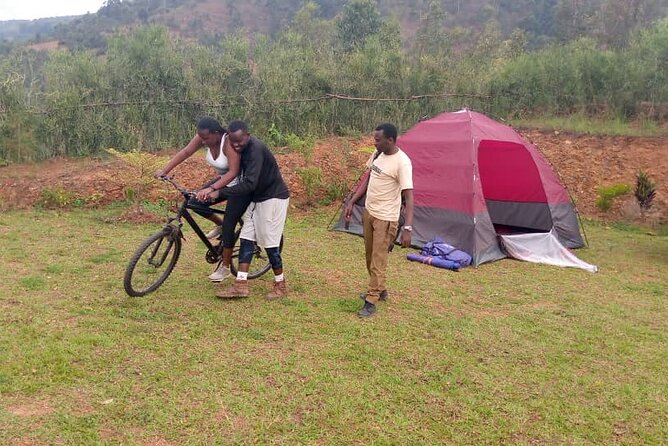
Camping is also listed among the adventure choices, but the standard experience is described as lasting about four to seven hours and includes lunch. That suggests camping may require a separate arrangement or a different program. Confirm the duration, equipment, and overnight details if camping is your goal.
What the $170 price includes
The cost is $170 per person, with the final price varying by group size. Included items are transport, an entrance permit, guiding fees, lunch, bottled water, and soda.
The private format is an important part of the value. You are paying not just for admission to a rural site, but for transport, a guide, a host interaction, a meal, and access to activities that may be difficult to arrange alone. If you are a small group, the per-person cost may feel steep. If you are sharing the cost across a larger private group, the price may make more sense.
The main question is how many activities you receive for the money. A four-hour visit with lunch and drumming offers a different value from a longer day that includes coffee, a village walk, cattle, and food preparation. Before paying, ask for a clear outline of your chosen activities and the expected time at each.
One past guest found the tour overpriced for what was included, while another described the countryside experience as good value. Those opinions are not really contradictory. They show that the price depends heavily on the final schedule and how much you value personal contact over a packed list of sights.
Who will enjoy this experience most
I would recommend this tour to you if you want to understand Rwanda through people and daily life rather than only through major attractions. It suits curious eaters, coffee lovers, families, small private groups, and visitors who enjoy learning by doing.
The experience is also a good choice if you want flexibility. You can choose from home activities, agricultural sessions, and outdoor options. A private group makes it easier to focus on drumming, cooking, coffee, or the village walk instead of following a rigid public schedule.
You may want another tour if you prefer a fixed itinerary, a low-cost half-day outing, or a detailed historical tour of Kigali. The price is harder to justify if your main goal is a quick photo stop or a short performance.
Most people can participate, according to the available tour information, but the hiking choices may require more effort. Tell the provider about mobility concerns before booking. No Covid-19 test is required.
Pickup, timing, and cancellation
Pickup is offered, while the stated meeting point is Rwagasabo Safaris Rwanda, KN 3 Ave, Kigali. Confirm the pickup point and departure time when you book, since the listed start is 7:00 a.m.
Confirmation is provided at booking. Free cancellation is available if you cancel at least 24 hours before the local start time. Cancellations within 24 hours are not refunded, and changes inside that window are not accepted.
Should you book this Kigali village experience?
Book it if you want a personal, practical look at Rwandan life and are happy to take part rather than simply watch. The strongest elements are the family meal, the drumming lesson with Serge, the village walk, and the chance to link farming with coffee or banana beer production.
Before booking, ask exactly which activities are included, how long the visit will last, and whether your group can choose drumming, coffee, food preparation, or hiking. At $170, clarity matters.
If you value local contact and a private setting, this can be a memorable use of a day in Kigali. If you want the lowest price or a guaranteed long list of activities, compare the schedule carefully first.
FAQ
Where does the tour take place?
The experience takes place in Kigali, Rwanda, with activities involving a Rwandan family, local residents, village settings, farming, and outdoor areas.
What time does the tour start?
The stated start time is 7:00 a.m.
Where is the meeting point?
The ticket redemption point is Rwagasabo Safaris Rwanda, KN 3 Ave, Kigali, Rwanda. Pickup is also offered.
How long does the experience last?
The approximate duration is four to seven hours. The listed itinerary describes a four-hour visit.
Is this a private tour?
Yes. Only your own group participates in the activity.
What is included in the price?
Transport, an entrance permit, guiding fees, lunch, bottled water, and soda are included. The price varies by group size.
Can I choose which activities to do?
Yes. The program offers choices among home-hosting activities, agricultural activities, and adventure activities. Confirm your preferred selections with the provider.
What should I bring?
Bring water, heavy snacks, drinks with sugar, a raincoat during the rainy period, and hiking shoes. Hiking sticks and binoculars are mentioned for the Mount Jali hiking option.
Can I cancel for a full refund?
Yes, if you cancel at least 24 hours before the experience starts. Cancellations or changes made less than 24 hours before the start time are not refunded.
More Walking Tours in Kigali
- Kigali: Walking Tour with a Local Guide
★ 4.9 · 234 reviews - Kigali Walking Tour
★ 4.5 · 78 reviews - 1 Day Canopy Walk Adventure in Nyungwe Forest National Park
★ 5.0 · 32 reviews - Kigali City Center Guided Walking Tour
★ 5.0 · 19 reviews
More Cultural Experiences in Kigali
- Kigali: Mount Kigali and Cultural Village Tour with Snacks
★ 4.8 · 62 reviews - Kigali: Traditional Basket Weaving in a Garden
★ 4.8 · 41 reviews - Kigali City Tour: History, Art and Local Highlights.
★ 4.6 · 20 reviews - Kigali: Choose Your Traditional Craft Experiences
★ 5.0 · 18 reviews
Just added in Kigali
- Traditional Drumming and Dancing Class★ 5.0 · 2 reviews
- Gorilla Trekking Adventure – A Day trip (Only transfer)★ 5.0 · 2 reviews
- Rwanda One Day Gorilla Trekking with Iby’iwacu Culture Visit★ 5.0 · 2 reviews
- One Day Mt Bisoke Hike Adventure in Volcanoes Park ( 2 Pax Min)★ 5.0 · 1 review
- From Kigali: 8 Hour Day-trip Lake Kivu Cruise Experience★ 4.5 · 3 reviews
- Bar Hopping Tour in Kigali Nightclubs★ 4.0 · 3 reviews
- Most Innovative Full-Day Kigali Yacu Experience★ 5.0 · 2 reviews
- Imigongo (cow dung art) Experience★ 5.0 · 1 review
Rwandan Coffee and Tea Tours, compared.

Full Day Shared Akagera Safari Tour with Lunch and Coffee
Read our review →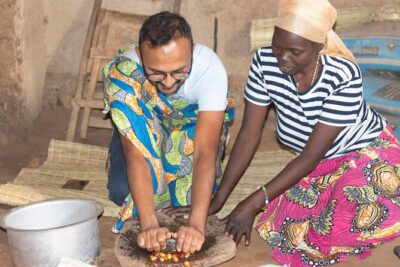
Private Half-Day Guided Kigali City Tour with Coffee Break Included
Read our review →Browse the lists this tour appears in