
Reviewed · RWANDAN FOOD TOURS
Kigali: Guided Art, History, and Food Tour with Moto Ride
Kigali comes into focus one stop at a time. This $25 tour brings together the Genocide Memorial and Niyo Art Center, then adds local food, market shopping, and short moto rides that help you cover more ground. I especially like the personal feel created by guide Aline, and the chance to learn how moto taxis work while moving through the city.
I also like the mix of serious history and everyday Kigali life. The memorial asks for quiet attention, while Biryogo Street and Kimironko Market bring you into the city’s daily rhythm. The main consideration is timing: the tour is sold as three hours, but the listed stop lengths add up to more than that, so I would confirm the exact schedule before booking.
In This Review
- Key points to know before booking
- Starting at the Kigali Genocide Memorial
- Finding color and local voices at Niyo Art Center
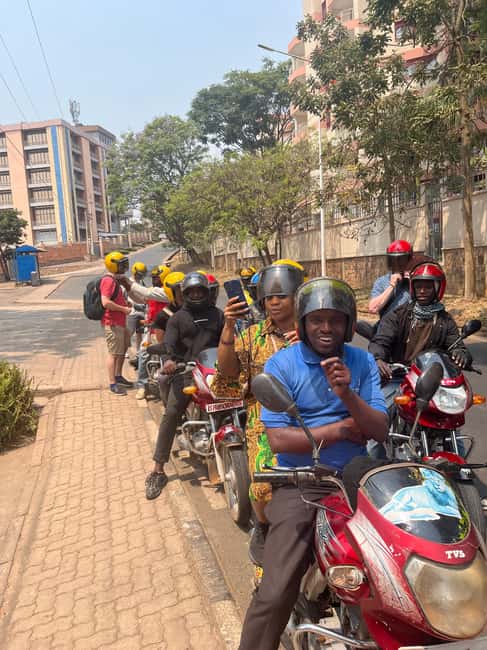
- Riding a moto through Kigali
- Eating along Biryogo Car Free Food Street
- Taking photos at the Kigali city-center sign
- Shopping and people-watching at Kimironko Market
- How much value do you get for $25?
- What Aline adds to the day
- Who should book this Kigali tour?
- Should you book it?
- FAQ
- Where does the Kigali tour begin?
- Where does the tour finish?
- How long is the tour?
- How much does the tour cost?
- Is hotel pickup included?
- Are moto rides included in the price?
- Is food included?
- Is an audio guide included at the Genocide Memorial?
- What languages can the guide speak?
- Who should not take this tour?
Key points to know before booking
- Aline is the major strength: She speaks English, French, Swahili, and Kinyarwanda, and her warm, flexible style has made solo participants feel at ease.
- The tour begins at a serious place: You start at the Kigali Genocide Memorial, where respectful behavior and a calm mood are essential.
- Moto rides make the city feel immediate: Transport is not included, so bring cash for moto drivers and expect the ride to be part of the cost.
- Food is purchased separately: Biryogo Car Free Food Street offers local dishes and drinks, but meals are not included unless specifically stated at booking.
- The art stop adds welcome variety: Niyo Art Center gives you time with Rwandan and African artwork, plus a chance to ask questions and browse.
- The route ends at Kimironko Market: It is a useful place for crafts, gifts, produce, and a first look at Kigali’s commercial life.
Starting at the Kigali Genocide Memorial
The tour begins at the main entrance of the Kigali Genocide Memorial. Look for the designated check-in room and a guide wearing a uniform with the Tourwithaline logo. It is also wise to add your phone contact when booking so Aline can reach you if needed.
This is not a quick photo stop. The planned visit lasts about 1.5 hours, making it the longest part of the outing. You should expect a quiet, reflective visit that places Rwanda’s past in the center of the day rather than treating it as a footnote.
The memorial is a difficult place, but it is an important one. Aline’s role is especially useful here because you can ask questions and receive context in a personal, clear way. Her background in tourism and years working with a tour operator have helped her explain both national events and local stories.
An optional audio guide is available at an extra cost. You do not need to buy it if you prefer to stay with your guide, but it may suit you if you want a more structured museum visit. I would allow yourself emotional space after this stop. The move from memorial grounds to food and shopping is part of the route, but you may not want to rush the transition.
Please dress and behave respectfully. Smoking is not allowed on the tour, and the memorial requires a quiet, considerate approach.
More food tours in Kigali:
- Rwanda Half-Day Walking Food Tour
★ 5.0 · 35 reviews - Kigali: Learn How to Make Hot Sauce from Scratch
★ 5.0 · 12 reviews - Local Community Tour(Cultural, Coffee,Village walk,Local food)
★ 5.0 · 8 reviews
Finding color and local voices at Niyo Art Center
After the memorial, the tone shifts at Niyo Art Center. The visit is listed at about 20 minutes, so it is a compact introduction rather than a long gallery session. You will see work by Rwandan and African artists, with strong color and cultural themes running through the collection.
I like this stop because it gives you a way to think about Rwanda beyond political history. Art can carry personal memories, local symbols, and modern views of African life, and a guide adds useful context that you might miss while walking through a gallery alone.
The brief timing means you should focus your attention. If you are seriously interested in art, tell Aline early. One participant with a strong interest in art was taken to two galleries instead of one, showing that the route can sometimes be adjusted around your priorities and schedule.
There is also an attached cafe. A mango smoothie received special praise, and the center may be a pleasant place to pause if your schedule allows. Still, do not assume extra gallery time or cafe purchases are included in the $25 price.
Riding a moto through Kigali
The moto ride is the practical twist that gives this outing its local feel. Rather than staying in one central area, you use motorcycle taxis to move between parts of Kigali. The rides let you see the hills and streets at close range, and they are also a useful lesson in a common form of city transport.
Moto transport is not included, so carry cash. The tour information specifically tells you to bring money for the drivers. The exact amount is not stated, so ask Aline about the expected fare before setting off.
For a first-time visitor, this guidance can be worth more than the ride itself. One solo participant credited Aline with explaining moto prices and how to navigate the service, which made getting around easier for the rest of the stay. She has also helped people find the meeting point by sending directions in Kinyarwanda.
You should know your own comfort level. The tour is not suitable for pregnant women, children under five, or wheelchair users. If you have an injury or simply do not want to ride, tell Aline in advance. One participant with a sports injury skipped the motos and still visited the memorial, art center, central market, Muslim quarter, and other city sights.
That flexibility is useful, but it should not be taken for granted. The listed route is built around walking and moto transport, so ask about alternatives before the day begins.
Eating along Biryogo Car Free Food Street
The next major stop is Biryogo Car Free Food Street, reached by moto and explored on foot. The planned visit lasts about an hour. This is where the tour becomes most social and sensory, with local foods, drinks, and the chance to watch ordinary city life unfold around you.
The food itself is not included in the tour price. Bring enough cash for anything you want to eat or drink, and tell Aline what you are comfortable trying. The supplied details do not name specific dishes, so I would avoid arriving with fixed expectations about a particular meal.
The value here is the introduction. A guide can explain what you are seeing, help you order, and make the setting less awkward if you are unsure where to start. Local drinks were a favorite part of the day for one couple, while another participant singled out the food as a highlight.
Biryogo also offers a useful contrast with the memorial. You move from national mourning to a living neighborhood where people eat, talk, work, and socialize. That contrast can make Kigali feel like a real city rather than a collection of official sights.
The street section involves walking, so comfortable shoes matter. Carry water and sunscreen, especially if the day is warm. The tour information does not promise a full meal, so think of this as a food tasting stop rather than a guaranteed lunch.
More cultural experiences in Kigali:
- Kigali: Mount Kigali and Cultural Village Tour with Snacks
★ 4.8 · 62 reviews - Kigali: Traditional Coffee Experience ( Bean to Brew)
★ 4.8 · 54 reviews - Kigali: Traditional Basket Weaving in a Garden
★ 4.8 · 41 reviews - Kigali City Tour: History, Art and Local Highlights.
★ 4.6 · 20 reviews
Taking photos at the Kigali city-center sign
After Biryogo, you walk toward the Kigali sign in the city center. The planned photo stop lasts around 30 minutes. It is a simple part of the route, but it gives you a clear souvenir and a chance to pause after the food stop.
Aline has been praised for taking photos, which may be helpful if you are exploring alone. The sign also works well for a first-day orientation because it places you in a recognizable central setting.
Do not expect this to be a major sightseeing stop. Its value is practical and personal: you get photographs, a short break, and a sense of where the city center fits into the wider route. If you are not interested in posed pictures, you can use the time to ask Aline about places you may want to visit later.
Shopping and people-watching at Kimironko Market
The tour finishes with a moto ride to Kimironko Local Market. The listed visit lasts about 30 minutes, though the exact time may depend on the group and the day’s pace. This is a lively final stop, filled with goods, produce, local crafts, and opportunities to shop.
Kimironko is particularly useful if you want gifts or practical items before leaving Kigali. Aline can help you understand prices and bargain. One participant specifically appreciated her help buying gifts at good prices, which is a real benefit if you are not confident negotiating in a new market.
Thirty minutes is enough for an introduction, but not enough for a slow, thorough market visit. If you see something you want, do not spend the whole stop comparing every stall. Ask Aline where to look, decide what you want to buy, and keep some cash available.
The tour ends here, rather than returning you to your hotel. You will need to arrange your own onward transport. That is not a problem if you are comfortable using motos or another local option, but it is worth planning before you arrive at the market.
How much value do you get for $25?
At $25 per person, this is good value if you want a broad first look at Kigali with a guide who can help you navigate. The price covers the guided city tour, memorial visit, art stop, Biryogo food area, city-center photo stop, and Kimironko Market.
You still pay separately for:
- Moto rides
- Food and drinks
- The optional memorial audio guide
- Hotel pickup and drop-off
That matters because the final cost depends on how much you eat, how many moto rides you take, and whether you buy anything at the market. Even so, the included range is strong for three hours, especially for a solo visitor who would otherwise need to arrange several short trips and figure out the city alone.
The biggest question is the schedule. The stated duration is three hours, but the listed stop times are 1.5 hours, 20 minutes, one hour, 30 minutes, and 30 minutes. Those stops total more than three hours before adding travel time. I would check the available start time and ask Aline how the day is paced.
Small groups seem possible, and private-feeling outings can happen when few people book. Several participants ended up with a very personal day, sometimes extending the route when Aline had time. You should enjoy that flexibility, but do not assume an extended tour is guaranteed.
What Aline adds to the day
The guide is the clearest reason to choose this tour instead of piecing the route together yourself. Aline is repeatedly described as friendly, professional, attentive, and easy to talk with. She speaks four languages, and her ability to answer questions in detail is useful at both the memorial and the market.
Her strongest quality is making solo participants feel comfortable. People who arrived alone described the outing as feeling more like time with a friend than a formal tour. That does not mean the day lacks structure. You still move through a clear route, but the conversation can respond to your interests.
Aline has also shown flexibility with art, injuries, schedules, and extra questions after the tour. If you care about food, photography, art, local transport, or shopping, tell her at the start. The more clearly you explain your interests, the more useful her local advice can be.
One rating was four out of five rather than five, but even that assessment praised Aline as a pleasant and informative guide. The overall rating is 4.9 from 34 ratings, which supports the view that the guide is the main strength of the experience.
Who should book this Kigali tour?
I would choose this tour for a first day or two in Kigali. It gives you basic orientation, a serious introduction to Rwanda’s past, several cultural stops, and practical help with motos and market prices.
It suits you best if you:
- Want history, art, food, and shopping in one short outing
- Are visiting Kigali alone and would like a friendly guide
- Prefer local transport to a private vehicle
- Want help ordering food or bargaining at a market
- Enjoy asking questions and adjusting the route around your interests
- Can walk comfortably and ride a moto
It is less suitable if you want a slow museum visit, a full meal included in the price, private car transport, or step-free access. It may also feel rushed if the three-hour schedule is enforced, especially with the memorial’s 1.5-hour visit.
Wear comfortable shoes, bring water, sunscreen, a camera, and cash. Add your phone contact when booking so your guide can reach you at the meeting point. Most of all, arrive prepared to treat the memorial with respect and the food and market stops with curiosity.
Should you book it?
Book this tour if you want a friendly, efficient introduction to Kigali and value personal guidance over a polished sightseeing bus. The strongest features are Aline’s care, the useful moto lesson, and the unusual combination of a memorial, gallery, food street, city sign, and market.
I would skip it only if motorcycle transport, walking, or the emotional weight of the memorial does not suit you. For most first-time visitors who want to understand how Kigali feels as well as what happened here, $25 is a fair starting point. Just confirm the real timing and budget extra for transport, food, and purchases.
FAQ
Where does the Kigali tour begin?
The tour begins at the Kigali Genocide Memorial, at the main entrance near the designated check-in room.
Where does the tour finish?
The tour finishes at Kimironko Local Market.
How long is the tour?
The advertised duration is three hours. The listed stop times add up to more than three hours, so confirm the exact schedule and pacing before booking.
How much does the tour cost?
The price is $25 per person.
Is hotel pickup included?
No. Hotel pickup and drop-off are not included.
Are moto rides included in the price?
No. Moto transport is paid separately, and you should bring cash for the drivers.
Is food included?
Meals and drinks are not included unless specifically stated. Bring cash if you want to eat or drink at Biryogo Car Free Food Street.
Is an audio guide included at the Genocide Memorial?
The audio guide is optional and is not included in the tour price.
What languages can the guide speak?
The guide can lead the tour in English, French, Swahili, or Kinyarwanda.
Who should not take this tour?
The tour is not suitable for children under five, pregnant women, or wheelchair users. Comfortable walking shoes are recommended.
More Food and Tastings in Kigali
- Kigali City Tour with Local Expert & Local Food
★ 5.0 · 8 reviews - Walking Food Tour in Remera and Kigali
★ 5.0 · 4 reviews - Rwandan and Syrian Food Tour
★ 5.0 · 4 reviews - Banana beer brewery
★ 5.0 · 2 reviews
More History Tours in Kigali
- Kigali: Historic & Modern Walking Tour with Coffee Tastings
★ 5.0 · 1 review
Just added in Kigali
- Traditional Drumming and Dancing Class★ 5.0 · 2 reviews
- Gorilla Trekking Adventure – A Day trip (Only transfer)★ 5.0 · 2 reviews
- Rwanda One Day Gorilla Trekking with Iby’iwacu Culture Visit★ 5.0 · 2 reviews
- One Day Mt Bisoke Hike Adventure in Volcanoes Park ( 2 Pax Min)★ 5.0 · 1 review
- From Kigali: 8 Hour Day-trip Lake Kivu Cruise Experience★ 4.5 · 3 reviews
- Bar Hopping Tour in Kigali Nightclubs★ 4.0 · 3 reviews
- Most Innovative Full-Day Kigali Yacu Experience★ 5.0 · 2 reviews
- Imigongo (cow dung art) Experience★ 5.0 · 1 review
Rwandan Food Tours, compared.

Local Community Tour(Cultural, Coffee,Village walk,Local food)
Read our review →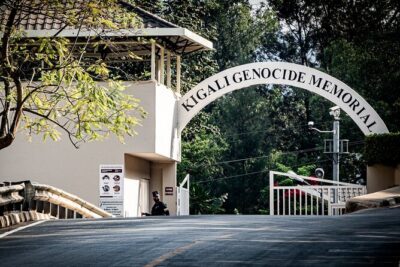

Browse the lists this tour appears in