
Reviewed · RWANDAN COFFEE AND TEA TOURS
Specialty Coffee Masterclass
Coffee tells Rwanda’s story. At Question Coffee in Kigali, this two-hour masterclass moves from coffee’s past to the plant, the cup, and finally your own blend. I like the hands-on path, especially picking cherries in the garden and tasting five Rwandan coffees side by side. I also like the small limit of 12 people, which gives the class a more personal feel. The main consideration is simple: if you do not care much about coffee, the tasting portion may feel more technical than fun.
I like that the class stays in one place while still covering the full coffee chain. I also like the take-home bag made with the blend you prefer, a useful souvenir rather than another Kigali trinket. Guides such as Patrice, Peggy, Patty, and Keziah have been praised for clear English, humor, and strong coffee knowledge. Just allow time for confirmation, which arrives within 48 hours and depends on availability.
In This Review
- What makes this Kigali coffee class worth your time
- Starting at Question Coffee in Gishushu
- A short lesson before the first sip
- Picking cherries in the garden
- Comparing five Rwandan coffees by smell and taste
- Building a blend that fits your palate
- The value of a 12-person class
- Who should book the masterclass?
- Practical booking advice for Kigali
- Final call: should you book it?
- FAQ
- Where does the Specialty Coffee Masterclass begin?
- Where does the experience end?
- How long does the coffee masterclass last?
- How much does the class cost?
- How many people can join the class?
- What will I do during the class?
- Will I receive coffee to take home?
- Can I cancel for a full refund?
What makes this Kigali coffee class worth your time
- Pick coffee cherries in the on-site garden: You do not only hear about harvest work. You handle the fruit yourself.
- Taste five Rwandan coffees: The tasting compares aroma, flavor, aftertaste, acidity, and mouthfeel.
- Create a personal blend: Your favorite flavors guide the final mix, and you receive coffee beans to take home.
- Meet local coffee expertise: The class connects the cup in front of you with Rwandan growing regions and farm work.
- Small group, maximum 12 people: The size suits questions, discussion, and a more relaxed lesson.
- Two hours at one Kigali café: You get a full coffee lesson without spending half the day moving between sites.
Starting at Question Coffee in Gishushu
The class begins at Question Coffee Gishushu, at 8 KG 8 Ave in Kigali. It ends at the same meeting point, so you do not need to arrange a separate pickup or find your way back after the tasting.
That fixed start and finish makes this a useful activity on a busy Kigali day. You can fit it between other plans without adding a long drive or a complicated transfer. The meeting point is near public transportation, which helps if you are getting around the city without a private car.
The experience is offered as a mobile-ticket activity. Confirmation is sent within 48 hours of booking, subject to availability, so I would not leave this until the last minute if your schedule in Kigali is tight. It is booked, on average, about 14 days ahead, a useful clue for planning during a busy visit.
The advertised price is $50 per person. That is more than you would pay for a normal coffee and pastry, but this is not a café stop. The fee covers a guided lesson, a tasting of several Rwandan coffees, time in the garden, and a custom blend to take home. For someone who wants to understand how coffee reaches the cup, the price is fair. If you only want a quick caffeine break, it is not the best use of your money.
More coffee and tea tours:
- Kigali: Traditional Coffee Experience ( Bean to Brew)
★ 4.8 · 54 reviews - Women-led Coffee Farm Trek
★ 5.0 · 19 reviews - Full Day Shared Akagera Safari Tour with Lunch and Coffee
★ 5.0 · 15 reviews
A short lesson before the first sip
The class begins with coffee history and background. This opening gives you a basic map of what follows: how coffee is grown, how cherries are harvested, and why beans from different parts of Rwanda can taste different.
I appreciate this order. Without the introduction, a tasting can become a parade of cups with no clear reason for comparison. Here, the lesson helps you connect farming and production with what you smell and taste later.
The available details do not specify exactly how long the history portion lasts. It is described as short, so expect an introduction rather than a long lecture. That is good news if you want plenty of time for the practical work, though coffee specialists looking for a formal technical course may want more depth.
Several guides have led the class, including Patrice, Peggy, Patty, and Keziah. Patrice has been praised for an easygoing manner and clear English. Keziah has been described as fun and highly informed, while Peggy was noted for making sure each part of the process was understood. The names may vary by date, but the class depends heavily on the guide, and that personal teaching style is one of its strongest features.
Picking cherries in the garden
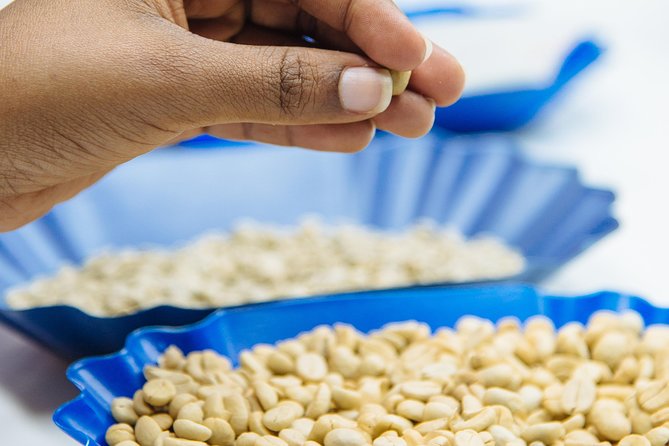
Next comes the most memorable physical part of the class: harvesting coffee cherries from the trees on the grounds. You get to see and pick the fruit before it becomes the roasted coffee you know.
This step matters because coffee beans are not picked as beans. They begin inside a small fruit, and handling the cherries gives you a better sense of the work behind each cup. It also breaks up the classroom format. You are not only listening, you are looking closely at the plant and taking part in the harvest.
The garden is on-site, so this is not a farm excursion. That keeps the experience compact and easy to fit into a city itinerary, but it also limits the scale. You should not expect a long rural visit, a major plantation tour, or a full day among working coffee fields. Think of it as a practical harvest demonstration within a café-based class.
Still, this is a strong feature for first-time coffee learners. You can pick cherries, ask how they are grown and harvested, and then return to the tasting table with a clearer idea of where the process begins.
Comparing five Rwandan coffees by smell and taste
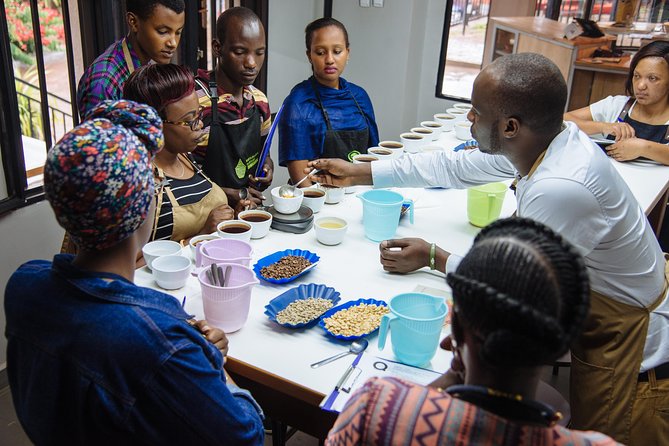
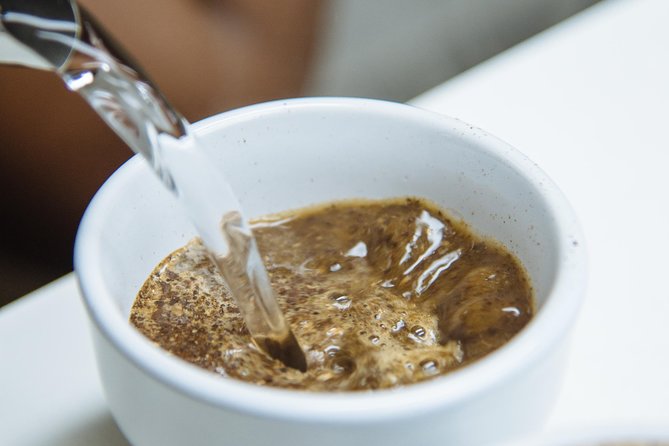
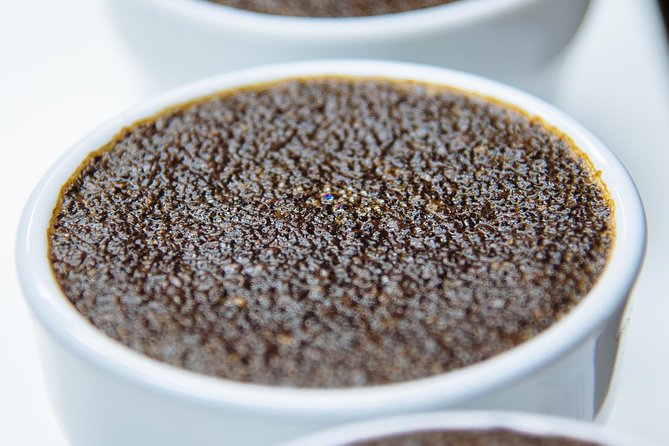
The tasting is the heart of the class. You sample four or five coffees from different Rwandan growing areas and compare them instead of treating coffee as one uniform drink.
You are guided to consider several qualities:
- Aroma
- Flavor
- Aftertaste
- Acidity
- Mouthfeel
This list gives you a practical way to talk about coffee. Acidity does not simply mean sourness, and mouthfeel is not the same as flavor. The class helps you notice how one coffee can feel lighter, brighter, smoother, or more lingering than another.
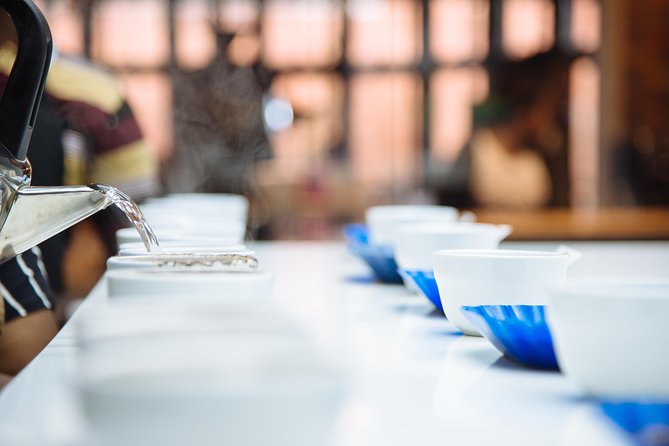
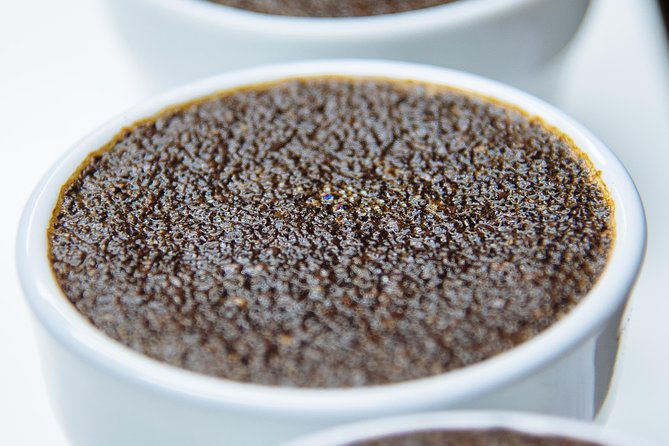
The smell portion is important. You may find that two coffees seem similar once brewed but have very different aromas. Taking time to smell before tasting slows you down in a useful way. It turns the cup from a quick morning habit into something you can examine.
The exact blends and growing regions can vary, and no fixed tasting menu is provided. That is worth knowing if you are hoping to sample a particular farm or named bean. The reliable promise is a selection of Rwandan coffees and a guided comparison.
I like this part because it gives you skills you can use later. After the class, you may be better at explaining what you want when buying coffee in Rwanda or at home. You do not need to arrive as a coffee expert. The structure is designed to help beginners find their way.
A completely different kind of day:
- Kigali City Tour
★ 5.0 · 452 reviews - Kigali: Walking Tour with a Local Guide
★ 4.9 · 234 reviews - One-day Akagera National Park Game Drive with a Choice 4×4
★ 5.0 · 105 reviews - Private Full-day Kigali City Tour with Pickup and Lunch
★ 5.0 · 79 reviews
Building a blend that fits your palate
After tasting, you choose the coffee qualities you prefer and create a custom blend. This is where the class becomes personal rather than simply educational.
You might prefer the aroma of one sample and the finish of another. The blend lets you think about those choices and make a combination suited to your own palate. I like that the class does not tell you there is one correct coffee. Your favorite is allowed to be your favorite.
You also receive a bag of beans made with the blend you enjoyed most. That small gift adds real value to the $50 price. It gives you something to use later and helps you remember the tasting in a more practical way.
The amount of coffee in the take-home bag is not specified, so I would not book this expecting a large supply. Treat it as a modest souvenir and the final part of the lesson, not the main reason to attend.
This custom-blending step also makes the experience work well for friends traveling together. You can taste the same samples, choose different favorites, and compare your results. It is an easy way to create conversation without turning the class into a competition.
The value of a 12-person class
The maximum group size is 12 people. That is small enough for questions and discussion, while still giving the class a social feel.
Group size matters here because tasting is more useful when you can ask why a coffee tastes acidic or how a growing region affects the cup. A large crowd would make the garden work and guided comparisons harder. With 12 people or fewer, you should have a better chance to hear the guide and take part.
The class lasts about two hours. That is enough time for the introduction, garden harvest, tasting, and blending, but it leaves little room for long delays. You should arrive ready to move from one stage to the next.
The experience also requires a negative COVID-19 test result and a mask. These are practical conditions to check before booking, especially because health rules can affect your plans. The supplied details do not state how the test must be dated or what type is accepted, so confirm those points with the provider if they matter to you.
Who should book the masterclass?
I would recommend this class most strongly to coffee drinkers who want context with their cup. It suits you if you enjoy learning how food and drink are produced, like tasting several versions of the same product, or want a Kigali activity that connects directly with Rwanda’s farming culture.
It is also a good fit for couples, friends, and small groups. The custom blend gives each person something to discuss, and the take-home beans extend the experience beyond the two-hour class.
Families may find it suitable if older children are interested in food production and tasting, but the available information does not state an age minimum. Ask Question Coffee before booking with young children.
This class is less suitable if you want a rural farm visit or a broad sightseeing tour of Kigali. You remain at the café and its grounds, and the focus stays firmly on coffee. It is also not ideal if you dislike tasting exercises or do not drink coffee.
The guides’ teaching style seems to be a major strength. Patrice has been described as easygoing with good English, Keziah as fun and well informed, and Peggy as careful about making sure the lesson was clear. Since the instructor can shape the mood of a small class, it is worth appreciating this personal side of the experience.
Practical booking advice for Kigali
Book ahead if this class is important to your itinerary. The average booking lead time is 14 days, and confirmation can take up to 48 hours. Availability is not guaranteed until the booking is confirmed.
Your ticket is mobile, and the activity begins and ends at Question Coffee Gishushu. Since it is near public transportation, you have a straightforward option for reaching the meeting point, though the details provided do not include a hotel pickup service.
The cancellation policy is friendly if your plans change early. You can cancel at least 24 hours before the start time for a full refund. Cancellations or changes made less than 24 hours before the start are not accepted for a refund, and cut-off times follow Kigali local time.
The experience has received a five-star rating with 100 percent recommendation from 33 ratings. That record points to consistent satisfaction, especially with the teaching, tasting, and custom coffee to take home. Still, keep your expectations in the right place: this is a café-based masterclass, not a full agricultural tour.
Final call: should you book it?
Book the Specialty Coffee Masterclass if you want more than a good drink in Kigali. For $50, you get a clear introduction to Rwandan coffee, hands-on cherry picking, a structured tasting, and your own blend to take home. The two-hour format and 12-person limit make it easy to fit into a city visit without sacrificing personal attention.
I would skip it only if you are looking for a farm-to-farm excursion, dislike coffee, or want a broad tour of Kigali. For coffee lovers, curious eaters, and anyone who wants to understand the work behind a morning cup, this is one of the more useful ways to spend two hours in the city.
FAQ
Where does the Specialty Coffee Masterclass begin?
It begins at Question Coffee Gishushu, located at 8 KG 8 Ave in Kigali, Rwanda.
Where does the experience end?
The class ends back at the same meeting point.
How long does the coffee masterclass last?
The experience lasts approximately two hours.
How much does the class cost?
The listed price is $50 per person.
How many people can join the class?
The activity has a maximum of 12 participants.
What will I do during the class?
You will learn about coffee history and production, pick coffee cherries in the on-site garden, taste Rwandan coffees, and create a custom blend.
Will I receive coffee to take home?
Yes. The experience includes a bag of beans made with the blend you enjoyed most.
Can I cancel for a full refund?
Yes. You can cancel at least 24 hours before the start time for a full refund. Cancellations or changes made less than 24 hours before the start time are not accepted for a refund.
Just added in Kigali
- Traditional Drumming and Dancing Class★ 5.0 · 2 reviews
- Gorilla Trekking Adventure – A Day trip (Only transfer)★ 5.0 · 2 reviews
- Rwanda One Day Gorilla Trekking with Iby’iwacu Culture Visit★ 5.0 · 2 reviews
- One Day Mt Bisoke Hike Adventure in Volcanoes Park ( 2 Pax Min)★ 5.0 · 1 review
- From Kigali: 8 Hour Day-trip Lake Kivu Cruise Experience★ 4.5 · 3 reviews
- Bar Hopping Tour in Kigali Nightclubs★ 4.0 · 3 reviews
- Most Innovative Full-Day Kigali Yacu Experience★ 5.0 · 2 reviews
- Imigongo (cow dung art) Experience★ 5.0 · 1 review
Rwandan Coffee and Tea Tours, compared.


Full Day Shared Akagera Safari Tour with Lunch and Coffee
Read our review →

Local Community Tour(Cultural, Coffee,Village walk,Local food)
Read our review →
Private Half-Day Guided Kigali City Tour with Coffee Break Included
Read our review →Browse the lists this tour appears in