
Reviewed · RWANDAN COFFEE AND TEA TOURS
Women-led Coffee Farm Trek
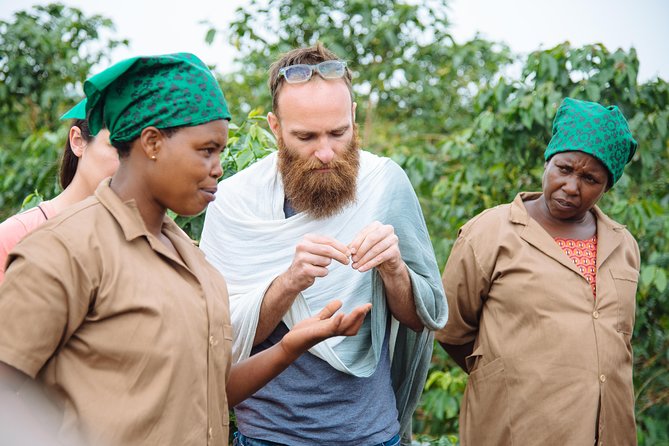
Coffee tastes better when you meet its makers. This eight-hour outing from Kigali takes you toward Rwanda’s coffee country, where women farmers show you how beans are harvested, washed, prepared, and roasted. I like the direct look at coffee production, and I like that the visit supports a women-led cooperative rather than treating the farm as a quick photo stop. The included lunch and small group size add real value.
The main thing to consider is the length. You start at 8:00 a.m. and return to the same Kigali meeting point, so this is a full-day commitment. The $150 price is not cheap, but it covers a guided coffee experience, lunch, cultural activities, and a visit to the Women’s Opportunity Center. Patty, one of the guides, has earned praise for taking part in every stage and answering questions with patience.
In This Review
- Key points to know before you book
- Why this coffee day is different from a café tasting
- Starting at Question Coffee in Kigali at 8:00 a.m.
- Meeting the women farmers at the coffee cooperative
- From harvested bean to roasted coffee
- Lunch at Urugo Eco-Lodge and the Women’s Opportunity Center
- What the $150 price really covers
- Patty and the guide experience
- Who will enjoy this eight-hour outing
- Booking, timing, and cancellation advice
- Should you book the Women-led Coffee Farm Trek?
- FAQ
- Where does the Women-led Coffee Farm Trek begin?
- What time does the tour start?
- How long does the experience last?
- Is lunch included?
- How many people can join the tour?
- Can I cancel for a full refund?
Key points to know before you book
- Coffee from plant to cup: You see the work behind harvesting, washing, preparation, and roasting instead of only sampling the finished drink.
- Women-led rural enterprise: The coffee cooperative connects farming with women’s economic opportunity and practical community work.
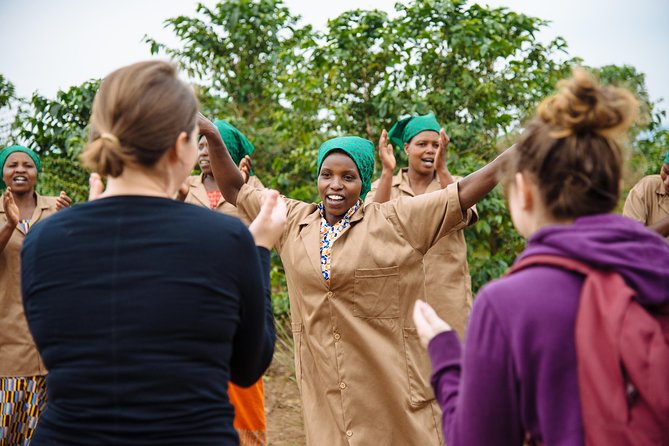
- A warm welcome: Expect songs, dancing, laughter, and a hands-on introduction when you arrive at the cooperative.
- Lunch is included: The meal at Urugo Eco-Lodge breaks up the day and makes the price easier to justify.
- Small group limit: The maximum is 15 people, a useful size for questions and personal attention.
- A second cultural stop: The Women’s Opportunity Center offers handicrafts and a wider look at local work beyond coffee.
Why this coffee day is different from a café tasting
Kigali has good coffee shops, including the Question Coffee meeting point at Gishushu, but a café only shows you the final act. This excursion takes you back to the source. You get to see how coffee moves through several stages before it reaches the grinder and cup.
That matters in Rwanda. Coffee is one of the country’s major economic products, and the experience puts a human face on that work. Instead of hearing a broad explanation about farming, you get a closer look at the people growing, sorting, washing, and preparing the beans.
The women-led focus gives the day a clear purpose. You are not simply visiting an attractive farm. You are seeing how agricultural work, cooperative organization, and women’s income can fit together. The tone is practical rather than abstract: people greet you, explain the work, and let you see how coffee is handled.
I also like the social side. The welcome includes song and dance, and you are encouraged to join in. That may feel outside your normal coffee routine, but it helps the visit feel like a meeting with a community rather than a staged museum display. If you prefer a quiet, technical tasting with little interaction, this may not be your ideal coffee tour.
More coffee and tea tours:
- Kigali: Traditional Coffee Experience ( Bean to Brew)
★ 4.8 · 54 reviews - Specialty Coffee Masterclass
★ 5.0 · 33 reviews - Full Day Shared Akagera Safari Tour with Lunch and Coffee
★ 5.0 · 15 reviews
Starting at Question Coffee in Kigali at 8:00 a.m.
The day begins at Question Coffee Gishushu, at 8 KG 8 Avenue in Kigali, at 8:00 a.m. Plan to arrive ready for a full outing, since the activity lasts about eight hours and returns to the same meeting point.
The early start makes sense. Coffee work begins long before the beans reach a café, and leaving in the morning gives the day room for the rural visit, lunch, demonstrations, and the return to Kigali. You should avoid scheduling another major activity immediately afterward.
The available information does not specify the exact transport arrangements or the driving time to the cooperative. That is worth confirming when you book, especially if you need a precise return time. The day includes travel away from Kigali toward the coffee-growing area near Akagera National Park, so the duration is not just time spent standing among coffee plants.
The group limit of 15 is one of the practical strengths here. A group this size can still feel social, but it should be easier to hear explanations and ask questions than on a large coach outing. If you are traveling with colleagues, group discounts may also be available.
Meeting the women farmers at the coffee cooperative
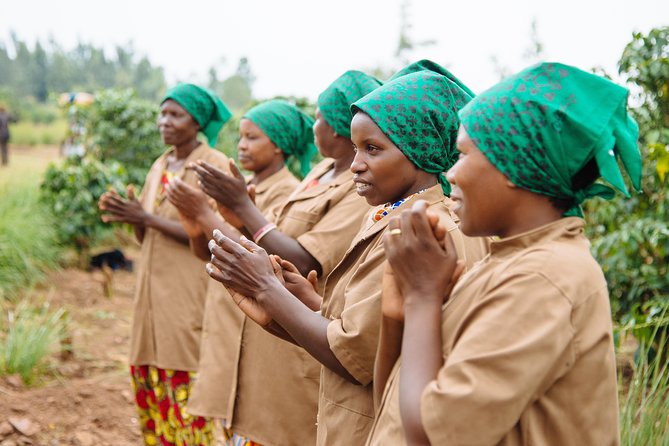
Arrival is part of the experience. You may be greeted with singing and dancing before the coffee lesson begins. The welcome sets a friendly tone, but you should also be ready to take part rather than watch from the edge.
The cooperative visit focuses on the work behind the drink. You learn about cultivation and harvesting, then follow the beans through washing and preparation. The process gives you a better sense of why coffee quality depends on many careful steps, not just the final roast.
Rwanda’s coffee is known for delicate flavors. The tour connects those flavors to the work that produces them. You can ask questions about what happens to the beans, how they are handled, and how preparation affects what eventually reaches your cup.
This is also where the women-led structure carries the most weight. The experience shows women farmers as skilled producers and organizers, not as a decorative part of a cultural program. You see the connection between coffee, income, and local opportunity in a direct way.
The social welcome may be the most memorable part for some people. It is also the element most likely to feel less predictable. Song, dancing, and group participation are built into the greeting, so book this if you enjoy meeting people through shared activity. If you want to keep the day strictly focused on roasting temperatures and tasting notes, expect a broader cultural experience.
From harvested bean to roasted coffee
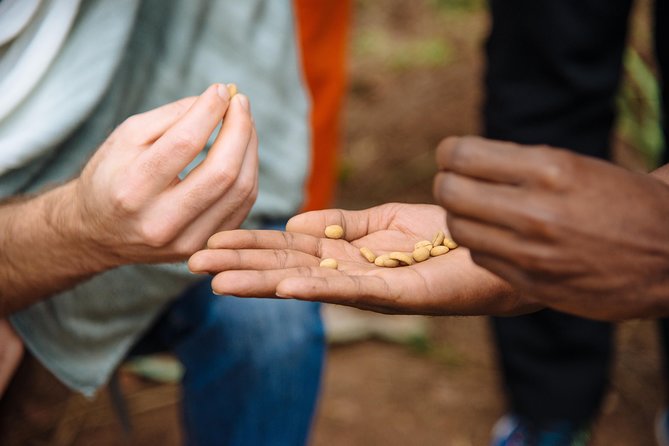
The coffee lesson is the heart of the outing. You follow the path from the plant to the prepared bean, with attention to harvesting, washing, and roasting. That sequence helps you understand why the product in your morning cup takes so much labor.
The washing stage is especially useful for anyone who normally thinks only about roasting. Coffee is not ready when it is picked. It must be processed, cleaned, prepared, and handled correctly before roasting can bring out its flavor.
You also get a chance to see roasting rather than treating it as a mystery performed behind a café counter. The exact format of the demonstration is not specified, so I would not book this expecting a formal professional cupping course or a detailed certification-style lesson. The strength is the full chain of production, explained in an accessible way.
The experience may suit coffee fans who want more context without committing to a specialist workshop. It also works for people who do not know much about coffee. You can enjoy the drink while learning why the beans taste the way they do.
One useful tip: pay attention to the order of the steps. The lesson is easier to remember when you think of it as a working chain: cultivation, harvest, washing, preparation, roasting, then drinking. That simple framework turns a pleasant day out into something you can carry home.
A completely different kind of day:
- Kigali City Tour
★ 5.0 · 452 reviews - Kigali: Walking Tour with a Local Guide
★ 4.9 · 234 reviews - One-day Akagera National Park Game Drive with a Choice 4×4
★ 5.0 · 105 reviews - Private Full-day Kigali City Tour with Pickup and Lunch
★ 5.0 · 79 reviews
Lunch at Urugo Eco-Lodge and the Women’s Opportunity Center
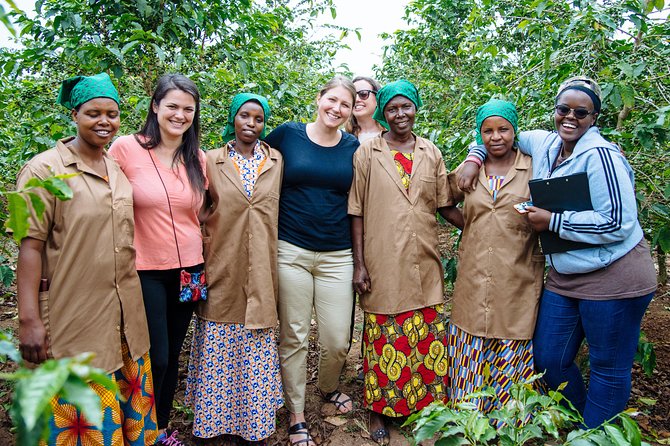
Lunch is provided at Urugo Eco-Lodge at the Women’s Opportunity Center, with about one hour set aside for the stop. This break gives you time to eat and reset before or after the hands-on coffee activities.
The location adds another layer to the day. You are not only seeing agriculture. You are also visiting a center connected to women’s opportunity, local enterprise, and handicrafts. Take time to look at the handmade work rather than treating the stop as only a meal break.
I like this combination because it gives the experience a wider view of local livelihoods. Coffee is the main subject, but the Women’s Opportunity Center shows that economic opportunity can take more than one form. Farming, craft work, hospitality, and cooperative activity all appear within the same visit.
The one-hour lunch stop is useful, but it is not a long free period. If you want to browse handicrafts carefully, eat at a relaxed pace, and ask questions, keep an eye on the schedule. The listed itinerary gives one hour for lunch, so the visit may feel fairly structured.
Because lunch is included, you do not need to plan a separate meal during the outing. That adds convenience and helps make the $150 cost easier to assess. You are paying for more than a farm walk, with food and a second cultural stop included in the day.
What the $150 price really covers
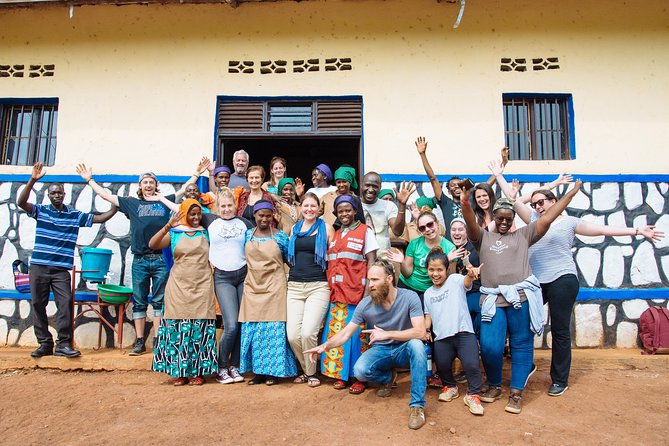
At $150 per person, this is a premium day trip rather than a casual coffee stop. The value comes from the combination of elements: a full eight-hour schedule, guided access to a working coffee operation, a women-led cooperative, coffee production education, lunch, and the Women’s Opportunity Center.
You also get a small group capped at 15 people. That matters because the guide can keep the group together and make room for questions. It should be easier to follow the production steps than in a large group where people gather at the front and everyone else strains to hear.
The price will make the most sense if you care about the social purpose as much as the coffee. If your only goal is to drink excellent Rwandan coffee, Kigali cafés will cost far less. If you want to understand the labor and community work behind it, the wider program gives the fee a stronger purpose.
Group discounts may improve the value for colleagues, families, or friends booking together. The experience has also proved popular enough to be booked, on average, 27 days ahead. That does not guarantee that every date sells out, but it is a good reason to reserve early if your Kigali schedule is fixed.
Patty and the guide experience
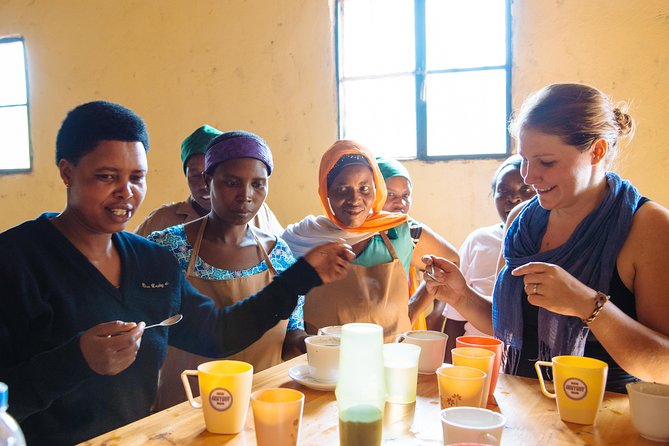
Patty is a name worth noting. She has been praised for joining in with every part of the day, helping create a welcoming mood, and answering questions patiently. That kind of guide matters on an experience built around personal contact.
The guide is not simply there to move you from one stop to another. You need someone who can connect coffee production with the people doing the work, keep the group involved during the welcome, and explain the stages clearly. Patty’s role appears to cover all three.
A small group helps here. With no more than 15 people, you have a better chance to ask about cultivation, washing, roasting, or the cooperative itself. It also makes joining the songs and dancing less awkward than it might feel in a huge crowd.
Guide quality can vary from one departure to another, so I would treat Patty as a welcome possibility rather than a guaranteed assignment. Still, the experience provider is Question Coffee, which gives the tour a clear coffee focus from the start.
Who will enjoy this eight-hour outing
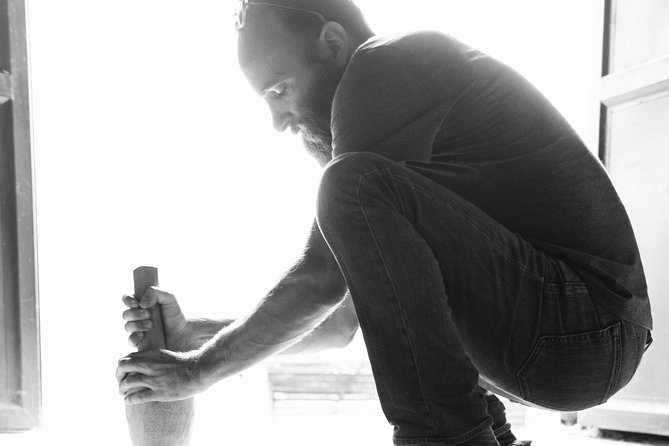
I would recommend this tour to you if you want a meaningful day outside Kigali and care about how food and drink are produced. It is a good fit for coffee drinkers, people interested in women-led business, and anyone who values direct contact with local cooperatives.
It also suits a work group visiting Kigali. The combination of coffee, lunch, a cultural welcome, and a small group makes it more engaging than a standard lecture or city transfer. Group discounts may help if several colleagues book together.
You should also consider it if you have already seen Kigali’s main sights and want a different side of Rwanda. The activity gives you a rural setting and a chance to connect coffee with local economic life.
This is less suitable if you have only a few hours free, dislike participatory cultural activities, or want a highly technical coffee course. The day is long, and the program includes social interaction, singing, dancing, lunch, and handicrafts, not only bean analysis.
Most people can participate, and service animals are allowed. The listed requirements include a negative COVID-19 test and a mask, so check the current rules before departure. The experience requires good weather, and poor conditions can lead to a different date or a full refund.
Booking, timing, and cancellation advice
Confirmation is sent within 48 hours of booking, subject to availability. Since the outing is often reserved well ahead, book early if you have only one possible day in Kigali.
The meeting point and end point are the same: Question Coffee Gishushu. The activity starts at 8:00 a.m. and lasts about eight hours. Confirm the expected return time if you have an evening flight, dinner booking, or another timed activity.
Free cancellation is available up to 24 hours before the local start time for a full refund. Cancellations or changes made less than 24 hours ahead are not accepted for a refund. Bad weather is handled differently, with a new date or full refund offered if the provider cancels.
Should you book the Women-led Coffee Farm Trek?
I would book this if you want coffee with a human story attached. The strongest parts are the women-led cooperative, the chance to follow the beans through several stages, the warm welcome, the included lunch, and the small group limit.
I would skip it only if your schedule cannot spare eight hours or if $150 feels too high for a day that includes cultural activities beyond coffee. For everyone else, the price is easier to defend because the outing supports local work while giving you access to a side of Rwanda that a city café cannot show.
Reserve ahead, arrive at Question Coffee before 8:00 a.m., and come ready to participate. The best part is not simply tasting the final cup. It is seeing the many hands and careful steps behind it.
FAQ
Where does the Women-led Coffee Farm Trek begin?
It begins at Question Coffee Gishushu, 8 KG 8 Avenue, Kigali, Rwanda.
What time does the tour start?
The tour starts at 8:00 a.m.
How long does the experience last?
The experience lasts approximately eight hours and ends back at the Kigali meeting point.
Is lunch included?
Yes. Lunch is provided during a one-hour stop at Urugo Eco-Lodge at the Women’s Opportunity Center.
How many people can join the tour?
The activity has a maximum of 15 people.
Can I cancel for a full refund?
Yes. You can cancel at least 24 hours before the local start time for a full refund. Cancellations or changes made less than 24 hours before the start time are not refunded.
More Hikes in Kigali
- Mount Kigali Hike and Zipline Adventure Tour(Pick up &drop off)
★ 5.0 · 37 reviews - 3 Day Gorilla Trek at Bwindi National Park via Kigali
★ 5.0 · 32 reviews - 1 Day Rwanda Gorilla Trekking Tour In The Volcanoes National Park
★ 5.0 · 31 reviews - 2 Day Gorilla Trekking Safari in Uganda via Kigali
★ 5.0 · 26 reviews
Just added in Kigali
- Traditional Drumming and Dancing Class★ 5.0 · 2 reviews
- Gorilla Trekking Adventure – A Day trip (Only transfer)★ 5.0 · 2 reviews
- Rwanda One Day Gorilla Trekking with Iby’iwacu Culture Visit★ 5.0 · 2 reviews
- One Day Mt Bisoke Hike Adventure in Volcanoes Park ( 2 Pax Min)★ 5.0 · 1 review
- From Kigali: 8 Hour Day-trip Lake Kivu Cruise Experience★ 4.5 · 3 reviews
- Bar Hopping Tour in Kigali Nightclubs★ 4.0 · 3 reviews
- Most Innovative Full-Day Kigali Yacu Experience★ 5.0 · 2 reviews
- Kigali City Tour and Sightseeing★ 5.0 · 3 reviews
Rwandan Coffee and Tea Tours, compared.



Full Day Shared Akagera Safari Tour with Lunch and Coffee
Read our review →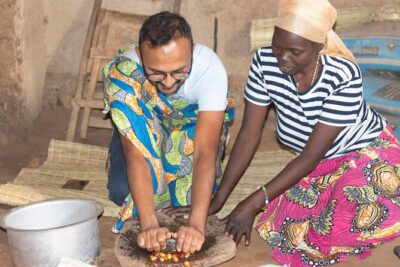

Local Community Tour(Cultural, Coffee,Village walk,Local food)
Read our review →
Private Half-Day Guided Kigali City Tour with Coffee Break Included
Read our review →Browse the lists this tour appears in