
Reviewed · TRADITIONAL CULTURE EXPERIENCES
Kigali: Traditional Basket Weaving in a Garden
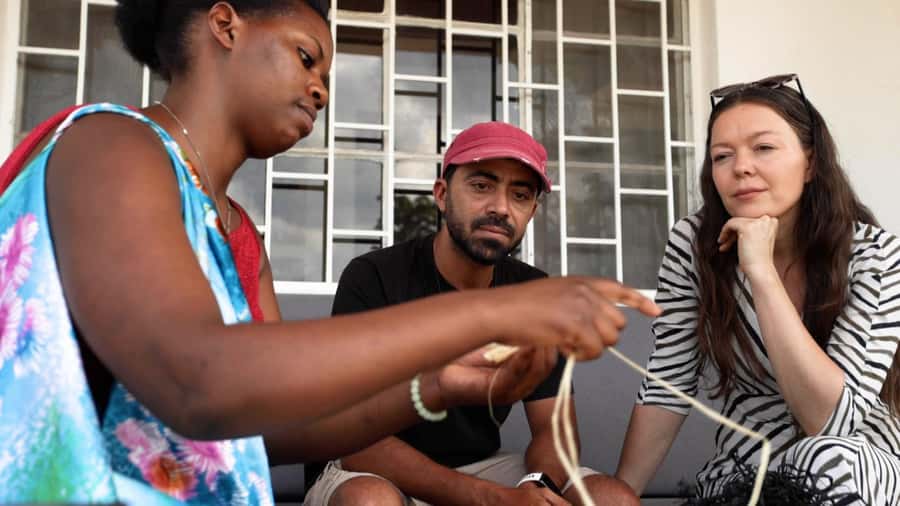
Small hands, big cultural lesson. This two-hour Kigali workshop brings you into a garden setting with local Rwandan women who teach the patient, precise work behind traditional basket weaving. I like the direct support for local artisans and the chance to make a small item you can take home. I also like the relaxed setting, where a cup of coffee or tea can turn a craft lesson into an easy afternoon.
The main consideration is that your finished piece may be modest in size. Several participants made a coaster, small bowl, or little basket rather than a large showpiece, and weaving takes patience. Transportation is not included, so you need to arrange your own way to the meeting point.
In This Review
- Key details before you book
- Meeting Rwandan artisans in a Kigali garden
- What the first welcome tells you about the craft
- Materials, tools, and your first weaving attempts
- Why the patterns and colours matter
- Learning with Sandrine and the other instructors
- The garden setting and the value of slowing down
- What your $30 really buys
- Who should book this Kigali activity
- Planning the timing and transport
- Should you book traditional basket weaving in Kigali?
- FAQ
- How much does the Kigali basket-weaving activity cost?
- How long does the workshop last?
- What languages are available?
- What is included in the price?
- Can I take home what I make?
- Can I cancel the booking?
Key details before you book
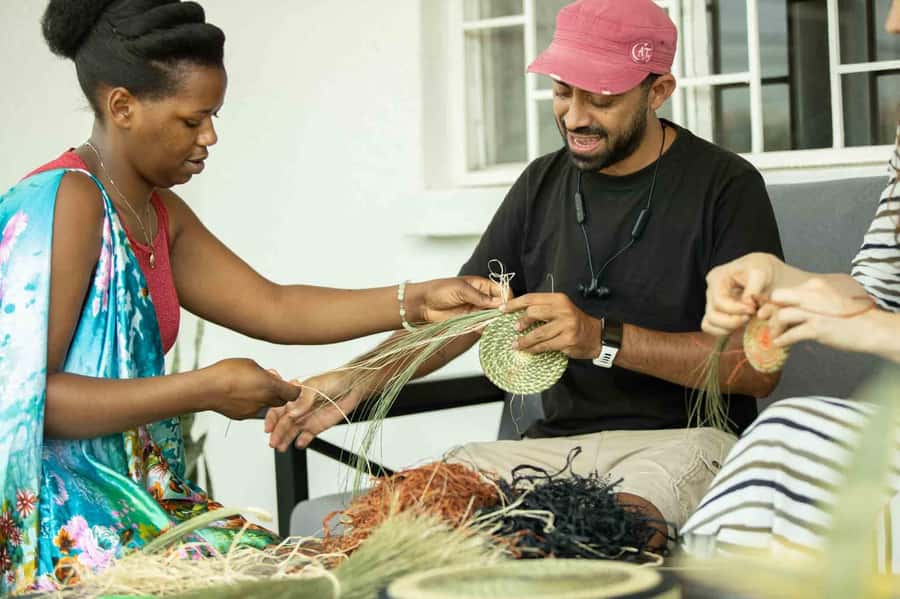
- Two hours in a Kigali garden: The setting gives the class a calm rhythm and a pleasant break from sightseeing.
- Taught by local Rwandan women: You learn directly from artisans who carry these skills through generations.
- A hands-on souvenir: Depending on your pace, you may make a coaster, small bowl, or little basket to take home.
- More than a craft lesson: Your hosts explain the meaning of patterns, colours, and basket making in Rwandan culture.
- English and French instruction: Translation support may be available when needed, based on the group and session.
- $30 with materials included: The price is reasonable if you value direct community support and a personal keepsake.
Meeting Rwandan artisans in a Kigali garden
The strongest part of this activity is the human contact. You are not simply shown finished baskets in a shop and asked to admire them. Local women welcome you, explain the craft, and then place the materials in your hands.
That order matters. You first hear why basket weaving has a place in Rwandan life, then begin to understand the work through your own fingers. A pattern that looks simple from across a room becomes a careful sequence of movements once you try it yourself.
The setting adds to the appeal. The class takes place in a garden, and one session was held at a comfortable coffee shop with a pleasant garden area. You may be able to enjoy coffee or tea while you work, though drinks are not listed as part of the included package. That small touch makes the activity feel less like a formal lesson and more like time spent with local people.
I would plan this for a morning or afternoon when you do not need to rush. Two hours sounds short, but weaving has a quiet pace. If you arrive thinking you will produce a perfect basket in half an hour, you may become impatient. If you treat the work as a conversation with your hands, the time should pass quickly.
More cultural experiences in Kigali:
- Kigali: Mount Kigali and Cultural Village Tour with Snacks
★ 4.8 · 62 reviews - Kigali: Traditional Coffee Experience ( Bean to Brew)
★ 4.8 · 54 reviews - Kigali: Guided Art, History, and Food Tour with Moto Ride
★ 4.9 · 34 reviews
What the first welcome tells you about the craft
The session begins with an introduction from the local artisans. This is where you hear personal stories and learn why basket making matters in Rwanda.
The activity is not presented as a generic handicraft. The women explain the cultural importance of designs and patterns, giving you a better sense of what you are seeing in markets and homes around the country. I appreciate this context because it changes the way you look at a basket later. It is no longer just a decorative object with attractive colours.
The exact amount of storytelling can vary. One participant wanted more stories and music during the weaving, while others found the explanation clear and well planned. That is useful to know. If you are mainly interested in the social and cultural side, ask questions early. Your instructor can likely tell you more about the patterns, materials, and family traditions connected with the work.
Sandrine receives especially warm praise for her teaching. She is described as patient, kind, skilled, and quick with her hands. That combination is important here. A person who can weave beautifully is not always able to teach a beginner, but Sandrine appears to take time with newcomers and explain each step clearly.
Materials, tools, and your first weaving attempts
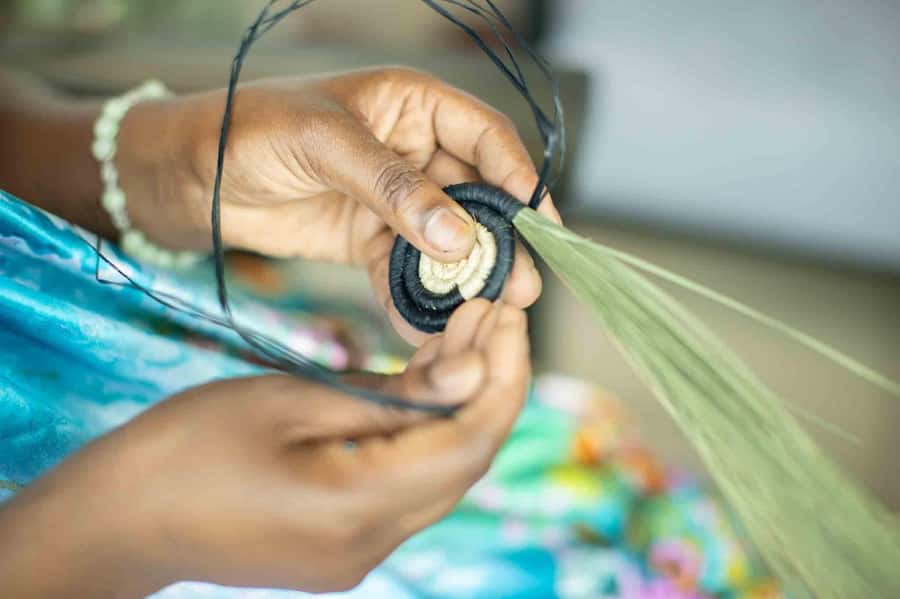
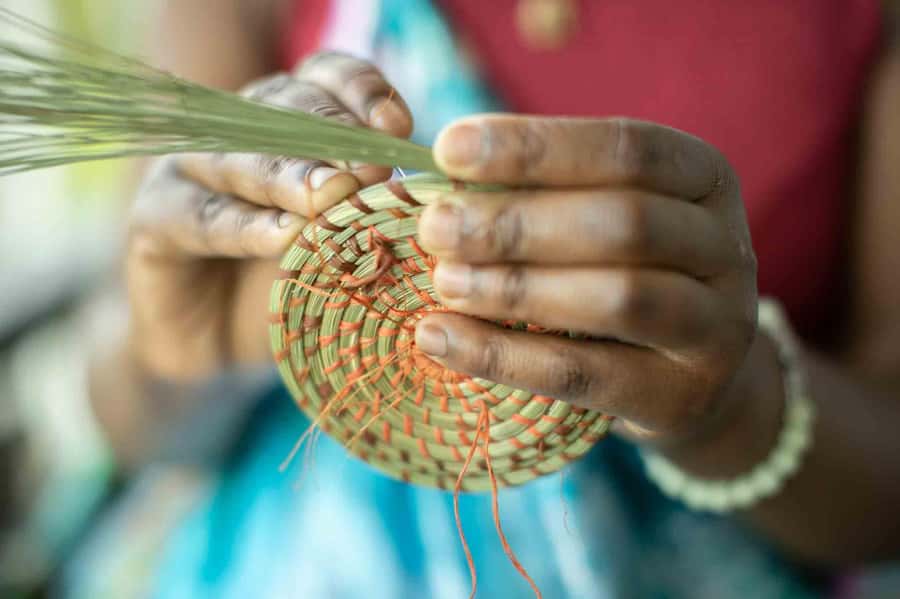
All materials and tools for the workshop are included. You do not need to arrive with craft supplies or previous experience.
The first part of the practical lesson is likely to feel easier when you watch the instructor closely. Experienced weavers handle the strands quickly and evenly. Then comes your turn, and the difference between expert hands and beginner hands becomes obvious. Keeping the shape steady, maintaining tension, and placing each strand correctly requires concentration.
That is part of the fun. One participant joked that basketball weaving was not a personal strength, but still enjoyed trying and left with a small basket. The point is not to match the speed or neatness of the teacher. Your piece is a record of the afternoon, including a few uneven sections that prove you made it yourself.
The instructors are praised for being helpful and patient, and one group was allowed to run a little overtime so everyone could finish. I would not count on extra time every day, but the gesture shows why a small-group format can work well. You get more personal help than you would in a large demonstration.
The final object may be a coaster, small bowl, tiny basket, or another compact piece. Your result depends on the session and your pace. These are practical expectations to set before you arrive. You are learning a traditional technique, not ordering a finished market basket.
Why the patterns and colours matter
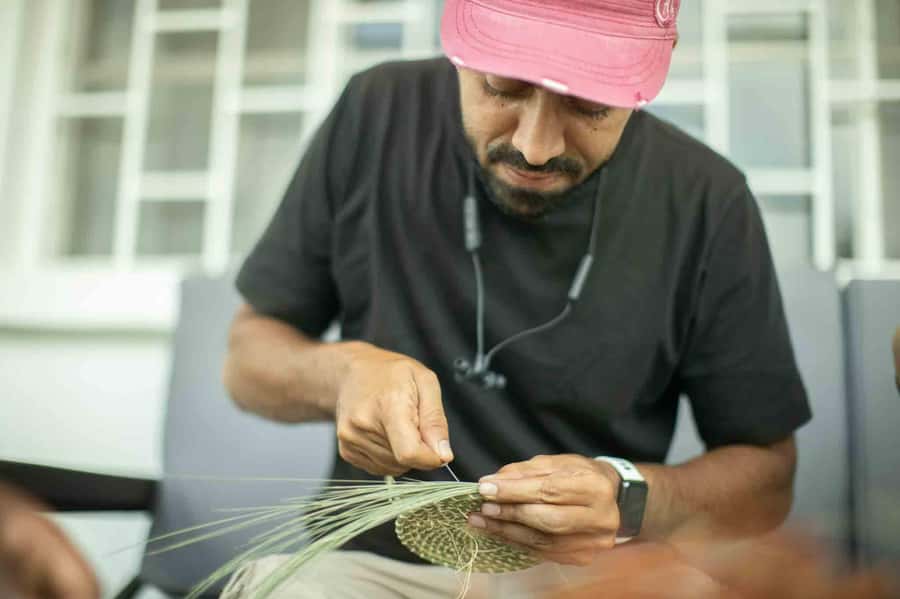
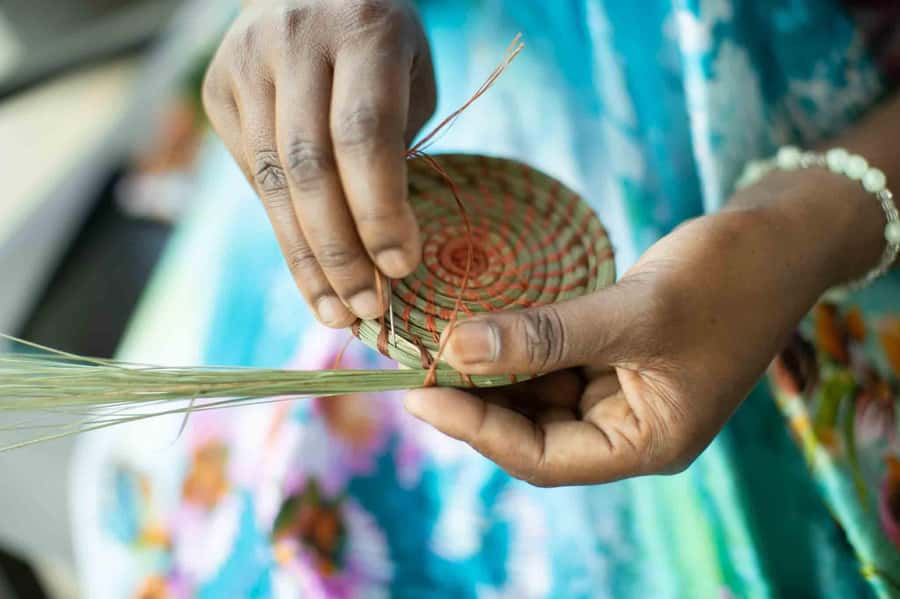
Rwandan basketry is known for careful geometric designs and strong colour contrasts. During the workshop, you learn that these details are not just decoration.
The instructors explain the cultural meaning connected with patterns and designs, although the supplied information does not name each pattern or assign a specific meaning to every colour. That is a good reason to ask your teacher about the piece you are making rather than relying on a general explanation.
I find this more valuable than a quick souvenir purchase. In a shop, you can see the finished form but not the decisions behind it. At the workshop, you begin with separate materials, learn how the structure is built, and see how a design develops row by row.
This also gives you a new respect for the baskets sold elsewhere in Kigali. A finished basket can look light and effortless. After two hours of handling the materials, you will understand that the neat edges and regular patterns come from skill and repetition.
A completely different kind of day:
- Kigali City Tour
★ 5.0 · 452 reviews - Kigali: Walking Tour with a Local Guide
★ 4.9 · 234 reviews - One-day Akagera National Park Game Drive with a Choice 4×4
★ 5.0 · 105 reviews - Private Full-day Kigali City Tour with Pickup and Lunch
★ 5.0 · 79 reviews
Learning with Sandrine and the other instructors
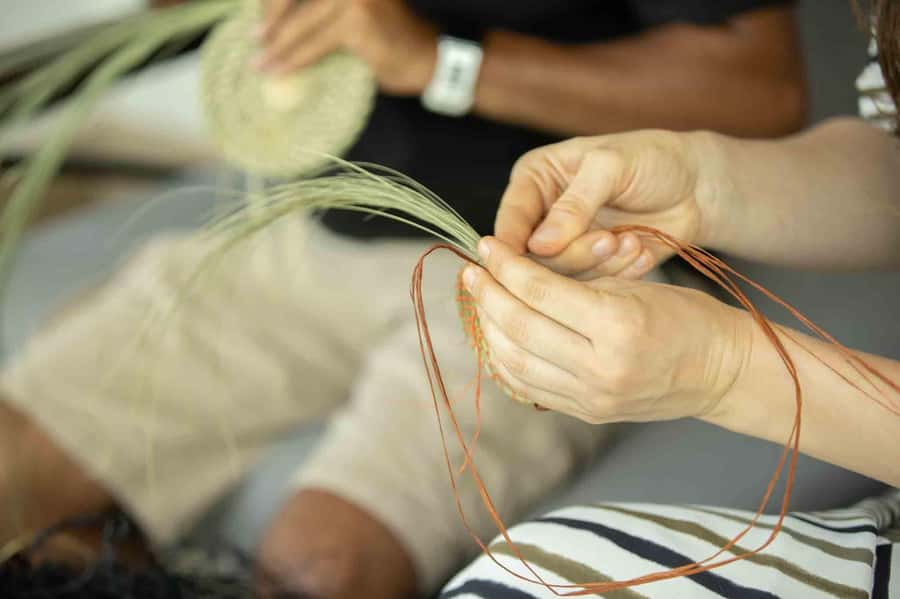
The teaching is the heart of the activity, and the named instructor most often praised is Sandrine. Her strengths are patience, warmth, and clear practical help. Several participants found her easy to learn from, including people who had never tried weaving before.
The workshop can also include a translator. English and French are the listed teaching languages, and one participant had a translator while learning from a local instructor. If you are not comfortable in either language, ask about language arrangements before booking rather than assuming translation will always be present.
The direct exchange with the women is one of the best reasons to choose this activity. You can ask about their work, talk about daily life, and see the craft as a living skill rather than a performance prepared for tourists. The information provided does not promise a large group or a fixed teacher for every departure, so the exact tone may vary.
The class also feels welcoming to different kinds of participants. One man was the only male in his group and still enjoyed making a coaster for home. That detail says something useful: this is not limited to a particular age, gender, or craft background. You need curiosity and a willingness to work slowly.
The garden setting and the value of slowing down
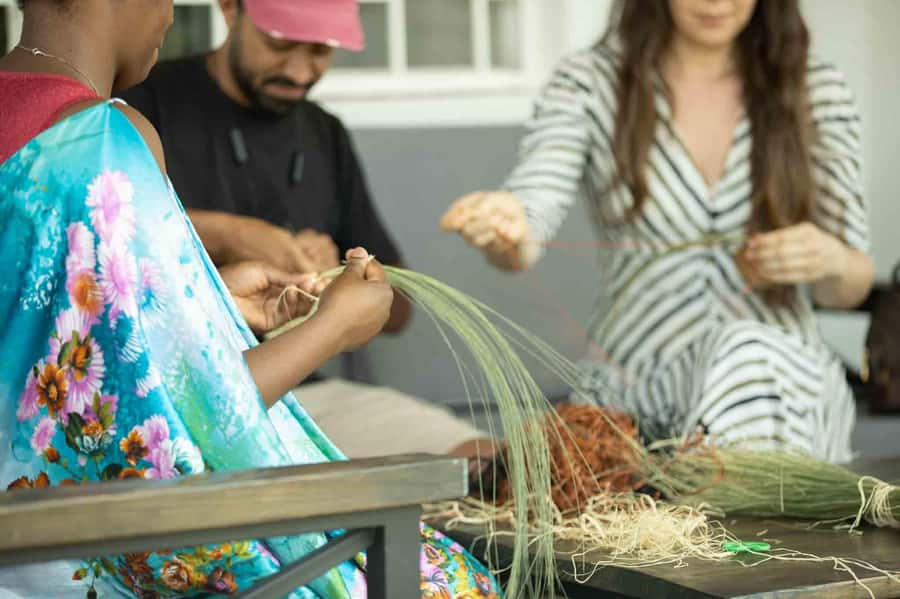
Kigali has plenty to see, but not every worthwhile activity needs to involve moving from one sight to the next. A garden workshop gives you a chance to sit, listen, and focus on a simple task.
The garden was praised as comfortable and pretty, and one participant enjoyed having tea while weaving. Another recommended treating yourself to coffee at the café connected with the setting. Since personal expenses are not included, bring money if you want a drink or other purchase.
This is also a useful choice for a day when you want something gentle. The session is hands-on but not physically demanding in the way a long walk or outdoor excursion can be. The main challenge is concentration, especially when you are trying to keep the weave even.
The atmosphere may not be filled with music or constant entertainment. One person would have liked more music and more stories during the weaving. I see that as a fair warning for anyone expecting a staged cultural show. The activity is better suited to people who enjoy conversation, instruction, and quiet work.
What your $30 really buys
At $30 per person, the cost is fair for a two-hour private cultural lesson with materials, instruction, local storytelling, and a handmade item. You are also helping direct income toward local craftsmen and women, which gives the fee a wider purpose than a standard craft class.
The value depends on what you want from Kigali. If your priority is the cheapest possible souvenir, you can find finished baskets elsewhere. If you want to understand how the object is made and meet the people who preserve the skill, the workshop offers more.
Materials and tools are included, so you do not face a long list of extra activity charges. Transportation and personal expenses are separate. The provided information specifically says the activity supports local communities, and one participant appreciated that the money goes directly to local craftsmen.
I would not book it expecting a large, polished basket worth $30 on its own. Your finished item may be small. The real value is the lesson, the cultural exchange, and the fact that your money supports the people leading the class.
Who should book this Kigali activity
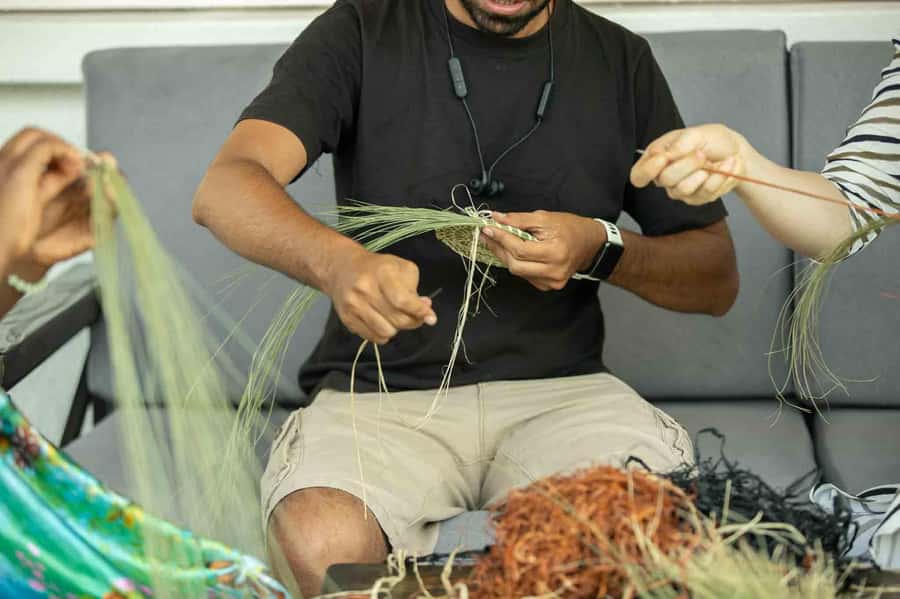
I recommend this workshop if you enjoy learning by doing. It suits you especially well if you like local crafts, small-group activities, thoughtful souvenirs, and conversations with artisans.
It is also a good fit for a couple, family, or group of friends who want an activity everyone can attempt together. Skill levels do not need to match. One person may produce a neat basket while another makes a coaster, and both can have a good time.
You may want to choose something else if you dislike detailed handwork or become frustrated when a first attempt looks uneven. The instructors can guide you, but they cannot remove the need for patience. Two hours of weaving is still two hours of weaving.
The activity is not suitable for people with food allergies, according to the supplied information. That warning is unusual for a craft class, so contact the provider before booking if this applies to you.
Planning the timing and transport
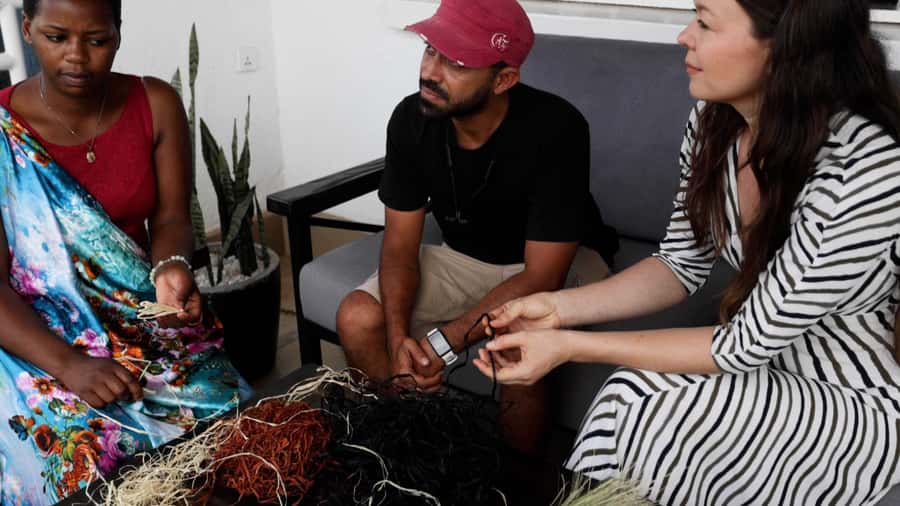
The activity lasts two hours, with starting times depending on availability. I would leave some space around it rather than placing it between two tightly timed appointments.
Transportation to and from the location is not included. You need to arrange your own transport in Kigali and confirm the exact meeting details before setting out. Since the class may take place in a garden or café setting, allow a little flexibility if you plan to stop for a drink afterward.
The booking terms are friendly for uncertain itineraries. You can reserve now and pay later, and cancellation is free up to 24 hours in advance for a full refund. Still, check the available start time before you commit your sightseeing plans.
Should you book traditional basket weaving in Kigali?
Yes, if you want a personal cultural activity rather than another stop where you only look and take photographs. The patient instructors, garden setting, included materials, and community support make this a strong $30 choice.
Book it with sensible expectations. You may finish a coaster or small basket instead of a large work of art, and the amount of storytelling may depend on the instructor and group. But you will leave with a better understanding of the craft, a handmade keepsake, and a direct connection to Rwandan women who keep the tradition going.
FAQ
How much does the Kigali basket-weaving activity cost?
The activity costs $30 per person. Materials and tools are included, while transportation and personal expenses are not.
How long does the workshop last?
The workshop lasts two hours. Starting times depend on availability.
What languages are available?
Instruction is available in English and French. Translation support may be provided during some sessions.
What is included in the price?
The price includes a welcome and introduction by local Rwandan artisans, a hands-on basket-weaving workshop, all necessary materials and tools, cultural information, and storytelling.
Can I take home what I make?
Yes. Participants have made small baskets, coasters, or small bowls and taken their finished pieces home as souvenirs.
Can I cancel the booking?
You can cancel up to 24 hours before the activity for a full refund. You can also reserve your place and pay later.
Just added in Kigali
- Gorilla Trekking Adventure – A Day trip (Only transfer)★ 5.0 · 2 reviews
- Rwanda One Day Gorilla Trekking with Iby’iwacu Culture Visit★ 5.0 · 2 reviews
- Traditional Drumming and Dancing Class★ 5.0 · 2 reviews
- One Day Mt Bisoke Hike Adventure in Volcanoes Park ( 2 Pax Min)★ 5.0 · 1 review
- From Kigali: 8 Hour Day-trip Lake Kivu Cruise Experience★ 4.5 · 3 reviews
- Bar Hopping Tour in Kigali Nightclubs★ 4.0 · 3 reviews
- Most Innovative Full-Day Kigali Yacu Experience★ 5.0 · 2 reviews
- Kigali City Tour and Sightseeing★ 5.0 · 3 reviews
Traditional Culture Experiences, compared.

Mount Kigali and Cultural Village Tour with Snacks
Read our review →

Guided Art, History, and Food Tour with Moto Ride
Read our review →
Kigali City Tour: History, Art and Local Highlights.
Read our review →

One Day Gorilla Trekking Rwanda & Iby’iwacu Cultural Village
Read our review →Browse the lists this tour appears in