
Reviewed · RWANDAN COFFEE AND TEA TOURS
Kigali: Traditional Coffee Experience ( Bean to Brew)
Coffee tastes better when you know its journey. This two-hour Kigali experience takes you from Rwandan coffee fields to a working roastery and finishes with a guided tasting at a local coffee shop. I like the hands-on roasting, and I like the chance to learn how coffee is grown and produced from local people. The main point to consider is transportation: private transfers are not included.
The $50 price is fair if you want more than a quick cup and a short talk. You get an active lesson, several stages of coffee production, and a tasting session in a small group capped at 20 people. The schedule is compact, but the subject has enough detail to keep serious coffee drinkers interested.
In This Review
- Key points about the Kigali coffee experience
- Starting at Umurishyo Arts Gallery
- Seeing how Rwandan coffee begins
- Roasting your own Rwandan beans
- Understanding traditional and modern methods
- Finishing with a Kigali coffee tasting
- What $50 gets you
- Group size, timing, and practical planning
- Who will enjoy this most
- Is the OneCup coffee experience worth booking?
- FAQ
- How long does the coffee experience last?
- How much does the experience cost?
- Where does the experience begin?
- Where does the experience end?
- Is transportation included?
- What happens if I cancel?
Key points about the Kigali coffee experience
- Field-to-cup route: Follow coffee from cultivation in Rwanda to roasting and tasting in Kigali.
- Roast your own beans: Take part in traditional and modern roasting methods rather than only watching.
- Local coffee insight: Learn about farming, production, and sustainable practices from local guides and coffee staff.
- Tasting in Kigali: Finish with a selection of blends prepared for comparison.
- Small maximum group: The activity accepts no more than 20 people, which should help keep the demonstrations manageable.
- Simple cancellation terms: Cancel at least 24 hours ahead for a full refund, subject to the stated weather and minimum-group conditions.
Starting at Umurishyo Arts Gallery
The experience begins at Umurishyo Arts Gallery on KG 206 Street in Kigali. This gives you a clear meeting point in the city, but you need to plan your own way there because private transportation is not included.
That detail matters. If you are staying elsewhere in Kigali, check your route before the start time and allow room for traffic or a delayed taxi. The meeting point is near public transportation, so you have options, but the activity does not promise hotel pickup.
The tour ends back at the same meeting point. That makes the two-hour format easier to manage alongside another Kigali plan. You can schedule lunch, a museum visit, or an afternoon walk without giving up a full day.
You receive confirmation when you book, and mobile tickets make it simple to keep the details on your phone. I would still save the meeting address and start time somewhere easy to reach, especially if your mobile connection is uncertain.
More coffee and tea tours:
- Kigali: Traditional Coffee Experience ( Bean to Brew)
★ 4.8 · 54 reviews - Specialty Coffee Masterclass
★ 5.0 · 33 reviews - Women-led Coffee Farm Trek
★ 5.0 · 19 reviews
Seeing how Rwandan coffee begins
The first part takes you into the coffee fields around Kigali. Here, local farmers explain how coffee is cultivated and cared for before the beans ever reach a roaster.
This stop gives the rest of the activity its meaning. A tasting can become a blur of pleasant flavors if you know nothing about production. Seeing the work behind the crop helps you understand why coffee quality depends on careful farming, timing, and community effort.
You also learn about Rwanda’s coffee story and the sustainable practices used by local communities. The information is not just a farming primer. It connects your purchase and your morning cup to the people who grow and prepare the product.
The field visit may be the most valuable part for anyone who wants an authentic connection with Rwanda. You are not simply being shown a finished export. You are being introduced to the people and methods behind it.
At the same time, keep your expectations measured. The entire activity lasts about two hours, so the field portion cannot be a long agricultural tour. You should expect an introduction to cultivation rather than an extended farm work session.
Roasting your own Rwandan beans

After the field visit, the experience moves to roasting. This is where the activity becomes especially practical.
You take part in both traditional and modern roasting methods. Instead of hearing a general explanation and moving on, you get to handle the process and see how different techniques affect the beans. That hands-on element is one reason this experience suits people who already grind beans or make special blends at home.
The roasting section also gives you a better sense of how much skill sits between raw coffee and the drink in your mug. Small changes in method can affect aroma, color, and taste. Local coffee staff explain the process and guide you as you work.
You do not need to be a coffee expert to enjoy this part. Beginners can learn the basic stages, while serious coffee drinkers can pay closer attention to technique and flavor. The format works well for couples, friends, and solo visitors who enjoy activities with something to do rather than only something to see.
A guide is a major part of the experience here. The guide has been praised for being smart, clear, and excellent at explaining the roasting process. That matters because practical demonstrations depend on good instruction. You want someone who can answer questions without turning a short activity into a technical lecture.
The group limit of 20 people is worth noting. That is not an intimate private class, but it is small enough to make a shared demonstration workable. Your exact level of personal attention may depend on how many people book that day.
Understanding traditional and modern methods
The contrast between traditional and modern roasting gives this tour more depth than a standard coffee tasting. You see how older methods fit alongside current production practices, and you can consider what each approach brings to the final drink.
Traditional methods offer a direct link to local coffee customs. Modern methods show how coffee can be prepared with greater control and consistency. The point is not that one method is automatically better. The useful lesson is that technique shapes the final result.
I like this part because it turns coffee into a craft rather than a simple commodity. You can ask questions, watch the beans change, and connect the process to the flavors you later taste in Kigali.
The sustainable farming discussion also belongs here. Coffee production affects more than flavor. It involves farmers, local businesses, working methods, and the wider community. The activity presents that chain in a way that helps you see the human side of coffee production.
Still, the experience is not a full professional roasting course. It lasts only two hours, and the description promises participation and guidance rather than certification or advanced training. If you want a technical class with detailed measurements and formal instruction, you may find the format too brief.
More cultural experiences in Kigali:
- Kigali: Mount Kigali and Cultural Village Tour with Snacks
★ 4.8 · 62 reviews - Kigali: Traditional Basket Weaving in a Garden
★ 4.8 · 41 reviews - Kigali: Guided Art, History, and Food Tour with Moto Ride
★ 4.9 · 34 reviews - Kigali City Tour: History, Art and Local Highlights.
★ 4.6 · 20 reviews
Finishing with a Kigali coffee tasting
The final stop is a Kigali coffee shop, where you taste several blends prepared with care. This is the payoff for the earlier stages. You have seen coffee in the fields and handled the roasting, so now you can consider how the beans perform in the cup.
The tasting gives you a chance to compare different blends instead of judging one coffee in isolation. Each sample reflects a different part of Rwanda’s coffee production, and the local experts help explain what you are drinking.
You can also talk with the coffee staff and other people in the group. That conversation adds a social side to the activity. Coffee becomes a way to discuss farming, roasting, flavor, and daily life in Rwanda.
For someone who already grinds beans and creates blends at home, the tasting can sharpen your understanding of coffee production. You may leave with a stronger appreciation for how farming and processing affect the result. For a casual drinker, it offers a pleasant introduction without requiring a large amount of prior knowledge.
The coffee shop setting also keeps the finish relaxed. You are not ending with a rushed exit from a farm or roastery. You have time to sit, taste, and ask questions before returning to the meeting point.
The one limitation is that the tasting selection is not described in detail. You know you will sample a variety of blends, but you should not book expecting a specific list of beans, brewing methods, or flavor notes. Those details may depend on the day.
What $50 gets you
At $50 per person, this is not the cheapest way to drink coffee in Kigali. You could buy several cups at a local café for much less. The value comes from the full experience: field introduction, roasting practice, expert guidance, and a tasting session.
I consider the price reasonable for people who want an activity with real local content. You are paying for access to several parts of the coffee chain, not just a beverage. The chance to roast your own beans adds something you cannot get from an ordinary café visit.
The price also includes all fees and taxes, so you do not need to calculate those separately. Private transportation is the major extra cost to plan for. Your total spend will depend on how you reach Umurishyo Arts Gallery.
The short duration helps the value. Two hours is enough to fit into a busy Kigali schedule, and you do not lose an entire morning or afternoon. If you are building a packed itinerary, that flexibility may matter more than a lower price for a stand-alone tasting.
I would book this for a coffee lover, a curious first-time visitor, or anyone interested in buying and drinking coffee with more awareness. I would be less likely to recommend it to someone who dislikes tastings, demonstrations, or group activities.
Group size, timing, and practical planning
The maximum group size is 20 people. That makes the activity social, but it may not feel like a private lesson. If you want a quiet, highly personal session, ask the provider about the group on your chosen date before booking.
The total time is approximately two hours. Since the tour includes several stages, expect a focused schedule. The field visit, roasting session, and tasting each need a share of that time, so arrive ready to keep moving through the program.
Wear something comfortable for an activity that includes a coffee field and a roastery. The supplied details do not specify a dress code or equipment list, so I would avoid bringing anything you would worry about around coffee beans or roasting work.
Service animals are allowed. The activity is near public transportation, but private transportation is not included. The tour begins and ends at the same Kigali meeting point, which simplifies the return trip.
The experience requires good weather. If poor weather forces cancellation, you receive the choice of another date or a full refund. It also requires a minimum number of participants. If that minimum is not met, you receive the choice of another date or experience, or a full refund.
For a full refund after a change of plan, cancel at least 24 hours before the local start time. Cancellations made within 24 hours are not refunded, and changes within that period are not accepted. I would avoid booking this too close to a flight or other fixed appointment.
Who will enjoy this most
I would put this experience near the top of the list for committed coffee drinkers. If you grind your own beans, experiment with blends, or want to understand production beyond the café counter, the roasting and tasting sections should reward your interest.
It also suits visitors who want a cultural activity with a clear local connection. The farmers, coffee staff, and Kigali setting give the subject a human focus. You learn through conversation and participation rather than through a long formal presentation.
Families and mixed-age groups may also find the hands-on format appealing, though the supplied information does not specify age requirements. Before booking for children, confirm that the activity is suitable for your group.
I would not choose it if your main goal is sightseeing across Kigali. This is a focused coffee activity, not a general city tour. You will not cover a long list of landmarks, and private transportation is not part of the package.
It may also disappoint someone expecting a full-day farm visit. The fields are an important opening, but the complete experience moves on to roasting and tasting within roughly two hours.
Is the OneCup coffee experience worth booking?
I would book this if you want to understand Rwandan coffee through its full route from farm to cup. The strongest reasons are the chance to roast your own beans, the clear guidance from the coffee team, and the final tasting that lets you connect the process with the finished drink.
The $50 cost makes sense when you value participation and local instruction. Plan your own transportation, check the weather, and leave enough space around the two-hour schedule. If you prefer a simple café stop or a long farm excursion, choose something else.
For coffee lovers, this is a focused and useful Kigali activity. It gives you a better cup by first showing you the work behind it.
FAQ
How long does the coffee experience last?
The activity lasts approximately two hours.
How much does the experience cost?
The price is $50 per person.
Where does the experience begin?
It begins at Umurishyo Arts Gallery, KG 206 St, Kigali, Rwanda.
Where does the experience end?
The activity ends back at the meeting point.
Is transportation included?
Private transportation is not included. The meeting point is near public transportation.
What happens if I cancel?
You can receive a full refund if you cancel at least 24 hours before the experience start time. Cancellations made less than 24 hours before the start time are not refunded. If poor weather or an insufficient number of participants causes cancellation, you will be offered another date or experience, or a full refund.
Just added in Kigali
- Gorilla Trekking Adventure – A Day trip (Only transfer)★ 5.0 · 2 reviews
- Rwanda One Day Gorilla Trekking with Iby’iwacu Culture Visit★ 5.0 · 2 reviews
- Traditional Drumming and Dancing Class★ 5.0 · 2 reviews
- One Day Mt Bisoke Hike Adventure in Volcanoes Park ( 2 Pax Min)★ 5.0 · 1 review
- From Kigali: 8 Hour Day-trip Lake Kivu Cruise Experience★ 4.5 · 3 reviews
- Bar Hopping Tour in Kigali Nightclubs★ 4.0 · 3 reviews
- Most Innovative Full-Day Kigali Yacu Experience★ 5.0 · 2 reviews
- Imigongo (cow dung art) Experience★ 5.0 · 1 review
Rwandan Coffee and Tea Tours, compared.


Full Day Shared Akagera Safari Tour with Lunch and Coffee
Read our review →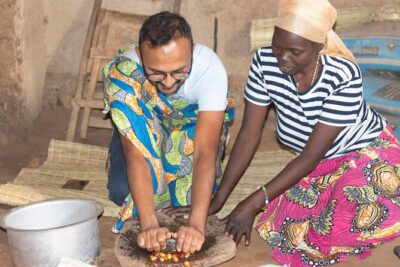

Local Community Tour(Cultural, Coffee,Village walk,Local food)
Read our review →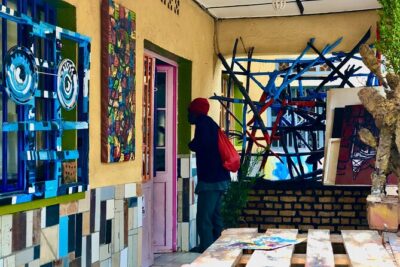
Private Half-Day Guided Kigali City Tour with Coffee Break Included
Read our review →Browse the lists this tour appears in