
Reviewed · RWANDAN FOOD TOURS
Kigali: Learn How to Make Hot Sauce from Scratch
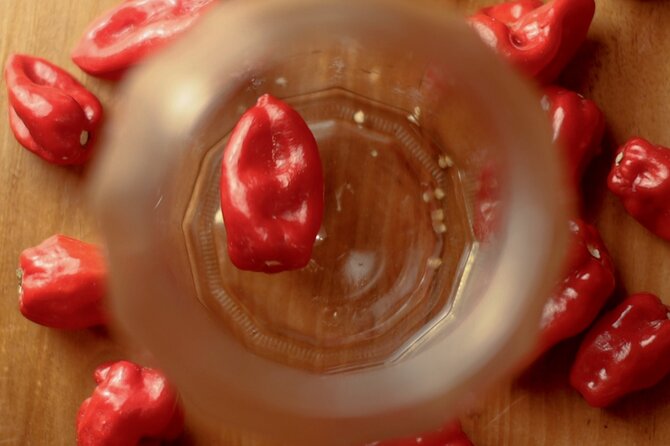
Spice makes a fine souvenir. In Kigali, you choose peppers, build a sauce, and take the bottle home. I like the hands-on cooking and the chance to use local Pili Pili alongside Jalapeños and Habaneros. I also like that the chef explains fermentation instead of treating the sauce as a quick kitchen trick. The main consideration is heat: your final blend depends on your choices, so cautious tasters should add peppers slowly.
This is a small, focused activity at BORISKA RESTOhouse 1, lasting about 90 minutes. At $35 per person, it offers more than a meal or a short demonstration, though it is not a full cooking class. You get practical instruction, tastings, and one bottle of sauce to take away. The group is capped at 10, which should keep the session personal.
In This Review
- Key points at a glance
- Why this Kigali cooking class is worth your time
- Arriving at BORISKA RESTOhouse 1
- Picking between Jalapeños, Habaneros, and Pili Pili
- Preparing peppers with a knife
- Building a sauce that fits your taste
- What fermentation adds to the lesson
- Tasting different sauces before bottling
- Is $35 a fair price?
- Who will enjoy this experience most?
- Booking, cancellation, and practical planning
- Should you book the Kigali hot sauce class?
- FAQ
- Where does the hot sauce experience begin?
- Where does the activity end?
- How long does the experience last?
- How much does the experience cost?
- Which peppers can I choose?
- Is transportation included?
- Do I take home the sauce I make?
- How many people can join the activity?
- Can I cancel for a full refund?
Key points at a glance
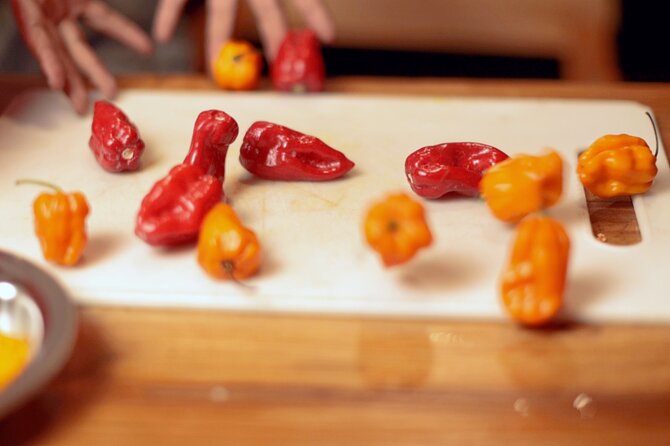
- Choose your own pepper mix: Work with Jalapeños, Habaneros, and Rwanda’s popular Pili Pili.
- Cut and blend by hand: You prepare the peppers with a knife before combining ingredients under chef guidance.
- Learn about fermentation: The session explains how fermentation adds depth and complexity to hot sauce.
- Taste as you go: Adjust the balance of heat, spices, and other ingredients until the sauce suits you.
- Take home a bottle: Your finished sauce becomes an edible reminder of Kigali.
- Easy, compact format: The experience lasts about 1 hour 30 minutes and returns to the starting point.
Why this Kigali cooking class is worth your time
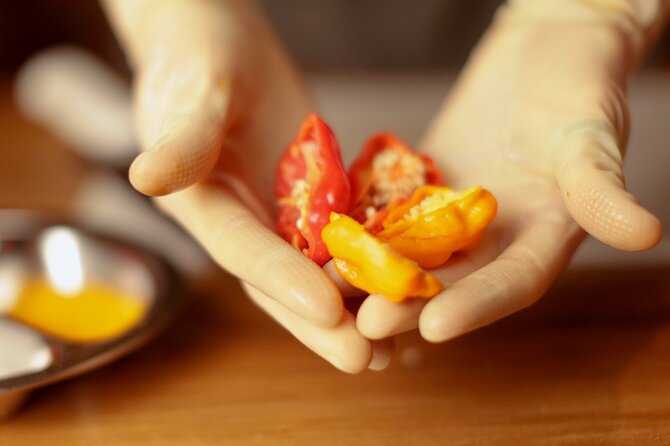
Kigali offers plenty of ways to eat well, but a hot sauce class gives you something different: you take part in making a flavor that appears in kitchens across Rwanda. The activity is short enough to fit between sightseeing plans, yet active enough to feel like more than a quick tasting.
I like the way the session turns a familiar condiment into the main subject. Instead of simply sampling a local sauce, you learn how the ingredients change when cut, mixed, seasoned, and left to ferment. That gives you a better sense of how heat and flavor work together.
The local angle matters. Jalapeños and Habaneros are familiar names, but Pili Pili brings a specifically East African note to the table. You can compare the peppers before deciding how much of each one belongs in your bottle. This makes the activity useful for curious cooks, not only people who already enjoy very hot food.
The setting also helps keep the experience approachable. You meet at BORISKA RESTOhouse 1 on KG 115 Street, and the activity ends at the same place. There is no need to arrange a separate transfer between stages. Private transportation is not included, so you need to make your own way to the meeting point.
More food tours in Kigali:
- Rwanda Half-Day Walking Food Tour
★ 5.0 · 35 reviews - Kigali: Guided Art, History, and Food Tour with Moto Ride
★ 4.9 · 34 reviews - Local Community Tour(Cultural, Coffee,Village walk,Local food)
★ 5.0 · 8 reviews
Arriving at BORISKA RESTOhouse 1
The session begins with a bottle of water, a small but welcome touch before working with hot peppers. You then meet the chefs and receive an introduction to the sauce-making process.
The address is BORISKA RESTOhouse 1, KG 115 St, Kigali, Rwanda. Since private transport is not included, check your route before setting out and allow enough time to arrive at the correct street. The mobile ticket makes entry simple, but the ticket does not replace your transport plans.
With a maximum of 10 people, the format should suit anyone who prefers a smaller group. That number is large enough for a social cooking session, but not so large that every person becomes a spectator. Your ability to ask questions and request flavor advice should be better than in a large demonstration.
The experience is also easy to fit into a Kigali itinerary. At approximately 90 minutes, it does not consume half a day. I would pair it with other plans in the city, but I would avoid scheduling something that requires you to rush away immediately. The sauce-making has several stages, and the tasting is part of the fun.
Picking between Jalapeños, Habaneros, and Pili Pili
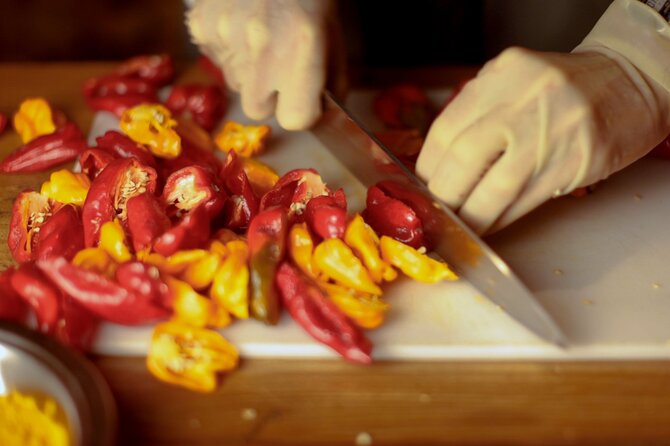
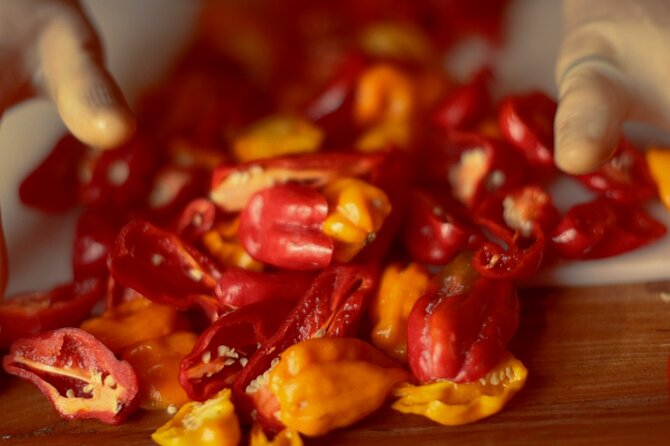
The first real decision is your pepper selection. You choose from Jalapeños, Habaneros, and Pili Pili, then prepare the peppers for blending.
Each option gives you a different way to shape the sauce. Jalapeños can help build a milder base, while Habaneros bring much stronger heat. Pili Pili is the local favorite named in the class, making it the natural choice if you want your bottle to carry a clear Rwandan touch.
The important point is that you are not handed one fixed recipe. You get to decide how adventurous your blend should be. If you are unsure, start with less of the hottest pepper. You can add more heat as you taste, but correcting an overly hot mixture is far harder.
The chef helps you make those choices. This guidance matters because hot sauce is not only about maximum heat. A good blend needs balance, and the session gives you the chance to adjust the flavor rather than accept a preset result.
Preparing peppers with a knife
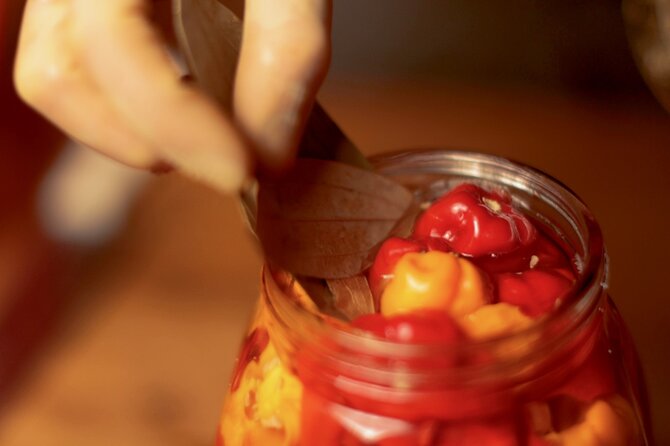
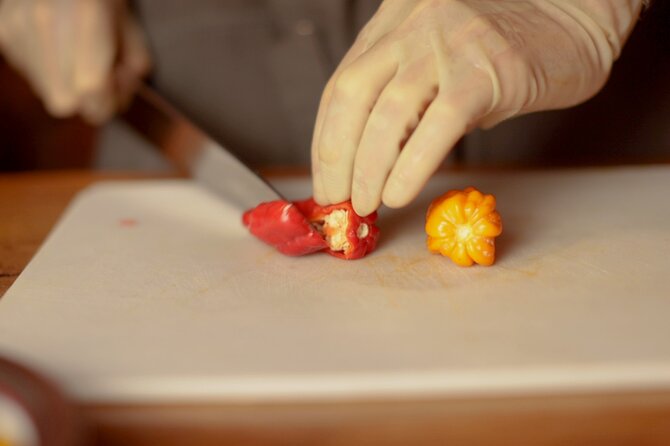
Once you select your peppers, you cut and prepare them with a knife. This simple step puts you close to the ingredients. You notice their aromas and see the differences between the peppers before they are blended together.
The hands-on work is one of the strongest reasons to book this activity. You are not watching someone else make a bottle while standing at a distance. You handle the ingredients and take part in the process from the start.
You should treat the peppers with care and follow the chef’s instructions. The supplied information does not specify protective equipment or detailed food-safety procedures, so pay attention during preparation and avoid touching your face while working with chili peppers. If you have a low tolerance for heat, tell the chef early so your portion can be adjusted thoughtfully.
This stage also gives the class a practical feel. You learn through the actual work of chopping and preparing, not through a long talk about ingredients. For many people, that makes the lesson easier to remember once they return home.
A completely different kind of day:
- Kigali City Tour
★ 5.0 · 452 reviews - Kigali: Walking Tour with a Local Guide
★ 4.9 · 234 reviews - One-day Akagera National Park Game Drive with a Choice 4×4
★ 5.0 · 105 reviews - Private Full-day Kigali City Tour with Pickup and Lunch
★ 5.0 · 79 reviews
Building a sauce that fits your taste
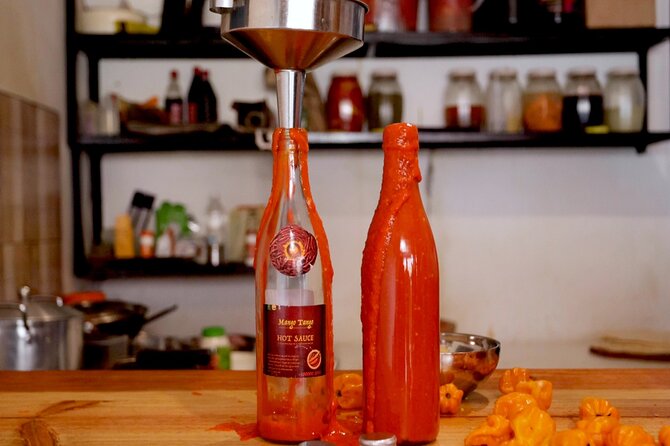
After preparation comes blending. You combine the peppers and other ingredients, then taste the mixture as you work toward the right balance.
The chef helps you add extra spices and ingredients if you want to give the sauce a personal twist. This is where the activity becomes more than a lesson in heat. You can think about what you want in the finished bottle: a gentler sauce for regular meals, a fiery blend for serious chili fans, or something in between.
The tasting process is important. A pepper can smell one way and taste another once blended. The same mixture can also change as you add seasoning. Tasting at intervals lets you understand how each adjustment affects the final result.
I especially like this part for cooks who want ideas they can use later. The class does not simply present a finished product. It shows you how to make decisions. You can leave with a better feel for how to correct a sauce that is too sharp, too hot, or lacking character, within the limits of the ingredients available.
A 90-minute session cannot cover every detail of sauce production, so do not expect a full professional course. Its strength is the clear, enjoyable introduction. You get enough instruction to make a custom bottle and understand the main stages without spending an entire day in a kitchen.
What fermentation adds to the lesson
Fermentation gives the experience its most interesting food lesson. The chefs explain how this process changes chili sauce, adding depth and complexity as the mixture develops over time.
You begin the fermentation process during the session. That means the sauce is not simply mixed, bottled, and treated as finished. You learn that time can be part of the recipe, allowing flavors to develop beyond the fresh heat of the peppers.
The supplied details do not state how long the fermentation takes, how the bottle should be stored, or the precise method used. Ask the chef for those instructions before you leave. This is especially important if you want to continue the process at home or make a similar sauce later.
The fermentation explanation adds value to the $35 price because it introduces a real food technique rather than only a novelty activity. You may not become a fermentation expert in one class, but you will understand why fermented sauces often taste more rounded and complex than a fresh pepper blend.
If you want an instant souvenir to eat that same day, remember that the sauce begins a process that may continue after the class. The bottle is included, but the exact finished character may depend on the time and care that follow.
Tasting different sauces before bottling
The session includes taste testing, which gives you a useful point of comparison. You can sample different sauces and notice how pepper choices and seasoning affect the result.
This tasting is also practical for anyone who worries about making a poor blend. You are not left to guess what a good balance should taste like. The chef can guide you as you compare flavors and decide which direction suits you.
The strongest part of the experience, according to the available feedback, is the combination of clear instruction, good humor, and tasting. The chef is described as highly experienced and fun, and the session includes interesting stories alongside the sauce-making. That mix should keep the class from feeling like a stiff technical demonstration.
You then choose the sauce you like best and take home a sizable bottle. The exact bottle size is not specified, so do not plan around a particular volume. Still, receiving a full bottle rather than a tiny sample makes the souvenir more useful.
A homemade condiment also travels better in spirit than a fragile decoration. It connects directly to what you did in Kigali, and you can use it later with meals at home. Check your airline and destination rules before placing any food product in checked or carry-on luggage.
Is $35 a fair price?
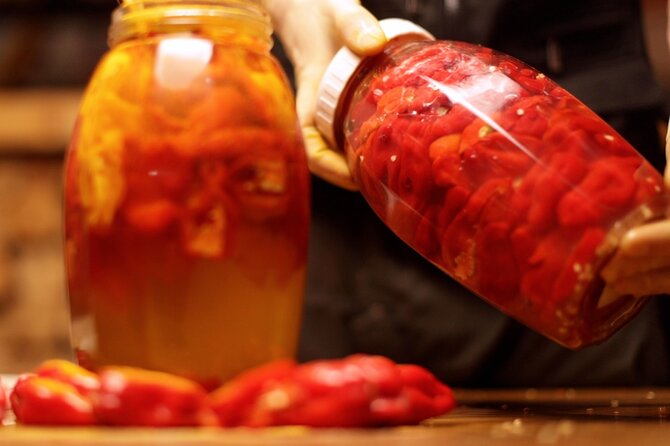
At $35 per person, the price is reasonable if you value participation and instruction. You are paying for about 90 minutes of chef-led activity, ingredient selection, tasting, fermentation guidance, water, and a bottle of sauce.
It is less appealing if you only want a quick sample of Rwandan food. In that case, a restaurant meal may offer better value for your specific goal. This experience earns its price by letting you make decisions and leave with a product you helped create.
The small group limit also matters. With no more than 10 people, the chef can offer individual guidance during pepper selection and blending. The value is stronger if you ask questions and take an active role, rather than standing back while others do the work.
There is no private transport included, so factor in your cost and time for reaching KG 115 Street. The activity ends where it begins, which keeps the rest of your day simple once the session is over.
The experience is commonly booked about seven days ahead. That is useful planning information for a Kigali visit. You may not need to reserve months in advance, but booking roughly a week before your preferred date is sensible, especially if you want to keep a particular time open.
Who will enjoy this experience most?
I would recommend this activity to people who like food with a story and prefer making something over simply looking at it. It suits couples, small groups of friends, solo visitors who enjoy meeting others, and families with older children who can safely handle a knife under supervision.
It is also a good pick for cooks who want a technique to take home. The fermentation discussion and tasting adjustments offer more lasting value than a standard food sample.
Hot sauce fans will find the pepper choice appealing, but you do not need to be an expert. The chef guides you through the process, and you can create a milder blend by being careful with the hotter peppers.
This may not suit you if you dislike spicy food, have limited interest in cooking, or need an activity with included transportation. The class is centered on chili peppers, so even a well-balanced sauce remains a chili sauce. Tell the chef about your preferred heat level at the beginning.
The activity is not described as wheelchair accessible, and no accessibility details are provided. If you have mobility or other access needs, contact NuttinTODO before booking to confirm whether the meeting place and kitchen setup will work for you.
Booking, cancellation, and practical planning
You receive confirmation when you book, and the experience uses a mobile ticket. Keep the ticket available on your phone and check the meeting address before leaving for the session.
Free cancellation is available if you cancel at least 24 hours before the local start time. Cancellations made less than 24 hours ahead are not refunded, and changes inside that same window are not accepted. Plan carefully if your Kigali schedule is still shifting.
The provider is NuttinTODO. Since the activity returns to BORISKA RESTOhouse 1, you can arrange your next stop from the same area once the class ends.
Wear something suitable for a cooking activity, though the supplied details do not specify a dress code or apron. Most important, arrive ready to handle fresh peppers, taste several blends, and ask for storage advice about the fermenting sauce.
Should you book the Kigali hot sauce class?
Book it if you want a short, social food experience with a clear local connection. The choice of Pili Pili, the chef-led blending, the tasting, and the bottle to take home make this more memorable than a basic restaurant stop.
I would especially choose it for a first visit to Kigali when you want an activity that is practical, relaxed, and easy to fit between larger plans. The 5 out of 5 score and full recommendation record are encouraging, and the strongest praise centers on the experienced, good-humored chef and the chance to taste different sauces.
Skip it if you need included transport, cannot tolerate chili, or want a long, advanced cooking course. For everyone else, $35 is a fair price for 90 minutes of making, tasting, learning, and taking a piece of Rwanda’s pepper culture home.
FAQ
Where does the hot sauce experience begin?
It begins at BORISKA RESTOhouse 1, KG 115 St, Kigali, Rwanda.
Where does the activity end?
The activity ends back at the meeting point, BORISKA RESTOhouse 1.
How long does the experience last?
It lasts approximately 1 hour 30 minutes.
How much does the experience cost?
The listed price is $35 per person.
Which peppers can I choose?
You can choose from Jalapeños, Habaneros, and Pili Pili.
Is transportation included?
No. Private transportation is not included, so you must arrange your own way to the meeting point.
Do I take home the sauce I make?
Yes. A bottle of sauce is included, and you can take it home.
How many people can join the activity?
The experience accepts a maximum of 10 travelers.
Can I cancel for a full refund?
Yes, if you cancel at least 24 hours before the experience start time. Cancellations made less than 24 hours before the start are not refunded.
Just added in Kigali
- Gorilla Trekking Adventure – A Day trip (Only transfer)★ 5.0 · 2 reviews
- Rwanda One Day Gorilla Trekking with Iby’iwacu Culture Visit★ 5.0 · 2 reviews
- Traditional Drumming and Dancing Class★ 5.0 · 2 reviews
- One Day Mt Bisoke Hike Adventure in Volcanoes Park ( 2 Pax Min)★ 5.0 · 1 review
- From Kigali: 8 Hour Day-trip Lake Kivu Cruise Experience★ 4.5 · 3 reviews
- Bar Hopping Tour in Kigali Nightclubs★ 4.0 · 3 reviews
- Most Innovative Full-Day Kigali Yacu Experience★ 5.0 · 2 reviews
- Kigali City Tour and Sightseeing★ 5.0 · 3 reviews
Rwandan Food Tours, compared.
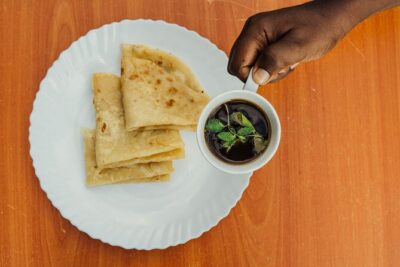

Guided Art, History, and Food Tour with Moto Ride
Read our review →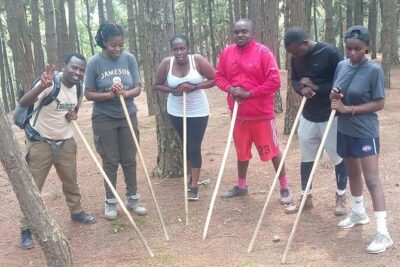
Local Community Tour(Cultural, Coffee,Village walk,Local food)
Read our review →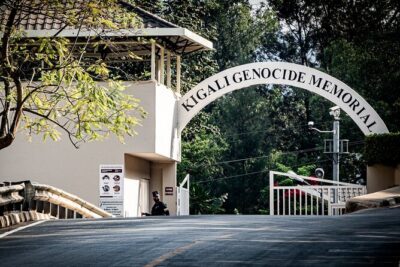

Browse the lists this tour appears in