

Reviewed · RWANDAN COFFEE AND TEA TOURS
Kigali: Traditional Coffee Experience ( Bean to Brew)
Coffee tells Rwanda’s story one bean at a time. This Kigali activity is special because you do not simply drink a cup and leave: you help open the fruit, process the beans, roast them, pound them, and taste the result. I especially like the hands-on work and the chance to learn about Rwandan customs at Umurishyo Arts Gallery. The main consideration is that this is not a full visit to a distant coffee plantation, so set your expectations for a city-based cultural center rather than a farm excursion.
I also like the friendly, personal feel. Guides such as Deborah, Gilbert, John, and Chaplan have helped make the activity warm and easy to follow, with time for questions and conversation. The visit can run from 150 minutes to three hours, and the pace may suit you well if you enjoy taking part rather than rushing through a checklist.
In This Review
- Key Things to Know Before You Book
- Arriving at Umurishyo Arts Gallery
- From Coffee Fruit to Usable Beans
- Traditional Roasting, Modern Methods, and a Little Work
- The Kigali Tasting: Black Coffee and Ginger
- More Than Coffee at the Cultural Center
- Is $50 Good Value?
- Who Will Enjoy This Coffee Workshop?
- Practical Tips for a Better Visit
- Should You Book the Kigali Coffee Experience?
- FAQ
- Where does the traditional coffee experience meet?
- How much does the experience cost?
- How long does the coffee activity last?
- Is transportation included?
- What languages are available?
- What does the activity include?
- Can I cancel or pay later?
Key Things to Know Before You Book

- You work through the coffee process yourself: Expect more than a tasting. You may help open the coffee fruit, roast the beans, pound them, and prepare the final drink.
- The setting is Umurishyo Arts Gallery: You meet at a cultural center in Kigali, not at a remote plantation. The center adds music, crafts, traditional games, and stories about daily life.
- Traditional and modern roasting are included: Local instructors explain how the methods differ and let you take part in the roasting work.
- Your coffee is served at the end: The tasting can include black coffee and coffee prepared with ginger, giving you two different ways to notice the beans.
- The activity supports local work: The center uses its income to support local businesses and community projects, including an NGO connected with helping children return to school.
- You should allow up to three hours: The listed duration is 150 minutes to three hours, so avoid booking another tight appointment immediately afterward.
Arriving at Umurishyo Arts Gallery

The experience begins at Umurishyo Arts Gallery in Kigali Province. That meeting point matters because it sets the tone: this is not only a coffee lesson. It is also a cultural visit in a city setting, with local art and traditional activities woven into the time you spend there.
The gallery is presented as a cultural center, and the coffee activity takes place there rather than requiring a long trip out to a plantation. One account of the experience describes an opening welcome with drums, which gives the arrival a ceremonial touch without turning the visit into a staged show.
I would arrive ready to participate. Comfortable clothing is sensible because the work is practical, and you may handle fruit, beans, roasting equipment, and a pestle. The activity is not suitable for people with food allergies, so you should mention any concern before booking rather than relying on the tasting being adjusted.
The center also sells artisan crafts made by children connected with its community work. That gives you a chance to support the project beyond the $50 activity fee, though personal purchases are not included in the price.
More coffee and tea tours:
- Specialty Coffee Masterclass
★ 5.0 · 33 reviews - Women-led Coffee Farm Trek
★ 5.0 · 19 reviews - Full Day Shared Akagera Safari Tour with Lunch and Coffee
★ 5.0 · 15 reviews
From Coffee Fruit to Usable Beans
The first part explains where coffee begins. You learn about cultivation, the work done by local farmers, and the practices used to support sustainable production. The point is not just to memorize coffee facts. It is to see how much labor comes before the drink in your cup.
The hands-on sequence is the strongest feature. You may begin by opening the coffee fruit, then follow the stages that turn it into something that can be roasted. One participant described working through the process from opening the fruit to roasting and pounding the coffee, which gives you a good idea of the activity’s practical nature.
This is also where the cultural side becomes useful. Coffee is presented within Rwanda’s traditions and everyday life, rather than as a product stripped of its local setting. Guides explain the background, answer questions, and connect the bean to the communities that grow and process it.
The exact field element may vary. The activity describes a guided look at coffee fields, and one account includes picking fresh beans. At the same time, the experience takes place at the city cultural center, and another visitor specifically noted that it did not involve driving to a coffee plantation. Read that distinction carefully: you can learn about the field-to-cup process and may handle fresh coffee fruit, but this is not the same as spending half a day on a large working farm.
That is not a flaw for everyone. If you have limited time in Kigali, the city location lets you combine coffee, art, music, and local conversation in one outing. If your main goal is seeing extensive coffee-growing land, you may want to pair this with a separate rural farm visit.
Traditional Roasting, Modern Methods, and a Little Work
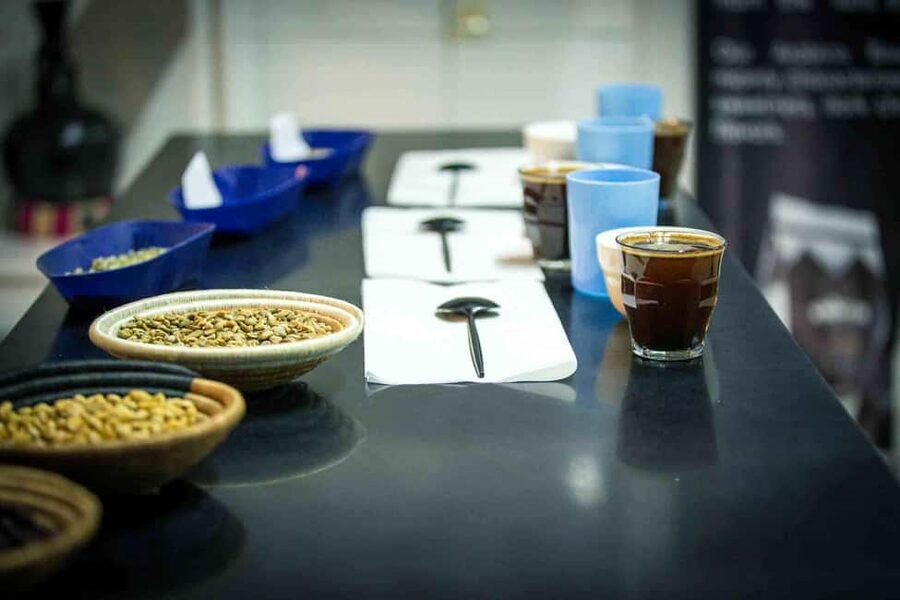
The roasting section brings the lesson to life. Instead of watching an expert do everything, you take part in both traditional and modern roasting methods. The guides explain what each method does and how it affects the beans.
The traditional method includes pounding the roasted beans by hand. It is physical, simple, and memorable. You quickly understand that coffee preparation once required patience and effort long before electric grinders made the process quick.
You may feel hesitant at first. One person admitted feeling unsure during the early steps and wished they had made more coffee. My advice is simple: roll up your sleeves and join in from the start. This activity rewards participation. The more you handle the process, the more satisfying the final cup becomes.
The modern roasting portion gives useful contrast. You get a chance to see how a newer approach differs from the traditional one, although the available details do not specify the exact equipment or technical profile. Do not book this expecting a professional barista certification or a detailed laboratory-style class. It is a cultural workshop with enough technique to make the coffee process understandable and fun.
The guides are a major part of the experience. Deborah has been praised for teaching patiently, while Gilbert has combined coffee instruction with explanations of culture, music, dance, and traditional life. John has been described as a strong storyteller who takes time to guide beginners through the process. Chaplan has also added local context, including a walk around Kimironko Market for one participant.
Those details suggest that your experience may differ slightly depending on the guide and the time available. That is a benefit if you like personal conversation, though it means the activity is not a rigid, identical performance every time.
The Kigali Tasting: Black Coffee and Ginger
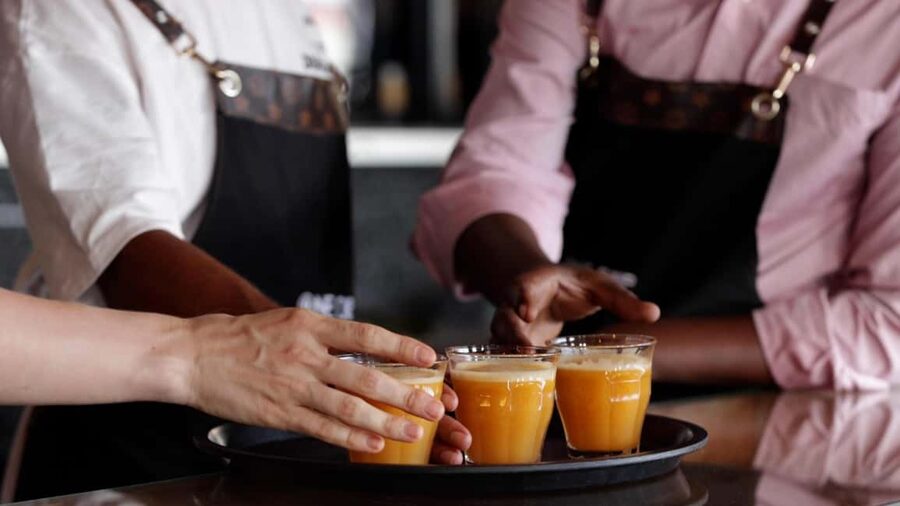
The final cup is the payoff. You taste coffee made from the work you have just followed, which gives the drink more meaning than a standard café order. You may be served black coffee and a version prepared with ginger.
The ginger preparation is a particularly nice touch. It shows that coffee here is not limited to one fixed serving style, and it gives you a chance to compare the plain flavor with a warmer, spiced version. The tasting also includes local blends, with guides explaining how each one connects to Rwanda’s coffee-producing areas.
Do not expect a large formal tasting flight with printed technical notes. The appeal is the conversation. You sit with local people, ask questions, and talk about the coffee, the center, and daily life in Kigali. It is relaxed and social rather than stiff.
The coffee itself receives consistently strong praise, but the real value comes from understanding the work behind it. After opening fruit, roasting beans, and pounding them, you notice texture, smell, and preparation in a new way. A basic cup becomes a small lesson in time and labor.
More cultural experiences in Kigali:
- Kigali: Mount Kigali and Cultural Village Tour with Snacks
★ 4.8 · 62 reviews - Kigali: Traditional Basket Weaving in a Garden
★ 4.8 · 41 reviews - Kigali: Guided Art, History, and Food Tour with Moto Ride
★ 4.9 · 34 reviews - Kigali City Tour: History, Art and Local Highlights.
★ 4.6 · 20 reviews
More Than Coffee at the Cultural Center
If you have extra time, stay open to the wider cultural program. The coffee workshop can lead into conversations about traditional life, music, dances, and games. One participant learned Igisoro, a traditional Rwandan game, and another ended up playing football at the center.
These moments are not guaranteed parts of the formal coffee sequence, so I would not book the activity solely for them. Still, they show why the gallery setting can be more rewarding than a narrow coffee demonstration. You are not being moved from one polished stop to another. You have room to talk, look around, and follow your curiosity.
The community purpose adds another layer. The center was opened by an owner and her husband to help fund an NGO. Income is also used to help children get off the streets and return to school, while crafts made by those children are sold at the center.
That makes the activity feel more connected to Kigali than a standard commercial tasting. You are paying for instruction and coffee, but your visit also directs money toward local work. I would still judge the tour first on the quality of the experience, yet the social purpose makes the $50 price easier to understand.
Is $50 Good Value?
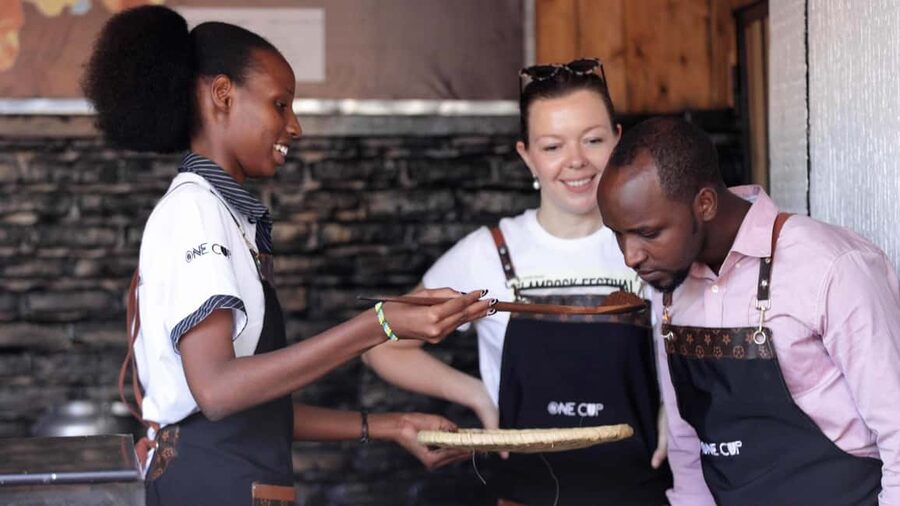
At $50 per person, this is not the cheapest coffee stop in Kigali. You can buy a cup for far less. The question is what you are paying for.
The fee includes a guided look at coffee cultivation and processing, hands-on traditional and modern roasting, a local tasting, cultural instruction, and support for local businesses and communities. The activity lasts from two and a half hours to three hours, depending on the schedule and pace. That is a substantial block of personal instruction rather than a quick tasting.
I consider the price fair if you value participation and local contact. You are paying for a workshop, several stages of preparation, and time with guides who explain more than the mechanics of coffee. The value is weaker if you only want to sample excellent beans or if you expect a large plantation tour with extensive rural scenery.
Transportation to the meeting point is not included, and personal expenses are extra. You need to arrange your own way to Umurishyo Arts Gallery. Since the exact starting time depends on availability, check the schedule and leave enough room for the full three-hour possibility.
The center’s community purpose also matters when comparing prices. Part of the appeal is that your money helps keep local cultural and social work going. That does not make the experience right for everyone, but it is a meaningful reason to choose it over a purely commercial coffee class.
Who Will Enjoy This Coffee Workshop?
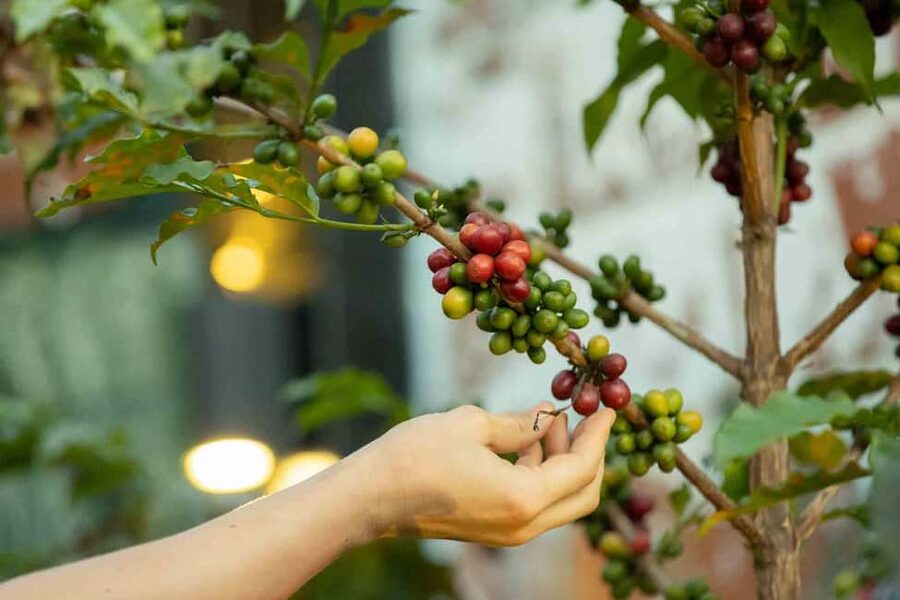
I would recommend this activity most strongly to coffee lovers who want to understand the full process. You do not need expert knowledge. In fact, beginners may get the most from it because the guides explain each step and let you learn by doing.
It also suits you if you want a cultural activity that fits into a Kigali visit. The gallery setting brings together coffee, crafts, music, games, and conversation. Families and small groups may enjoy the variety, although anyone with a food allergy should avoid the activity.
This is a good choice for you if:
- You enjoy practical workshops instead of passive sightseeing.
- You want to support a local community project.
- You are curious about traditional Rwandan coffee preparation.
- You have time for a two-and-a-half to three-hour activity.
- You like meeting guides and asking questions.
- You want an introduction to local culture without leaving Kigali.
You may want something else if you are seeking a remote farm visit, a formal coffee qualification, or a highly technical roasting course. The city-center setting is convenient, but it cannot replace the sights and scale of a rural coffee plantation.
Practical Tips for a Better Visit
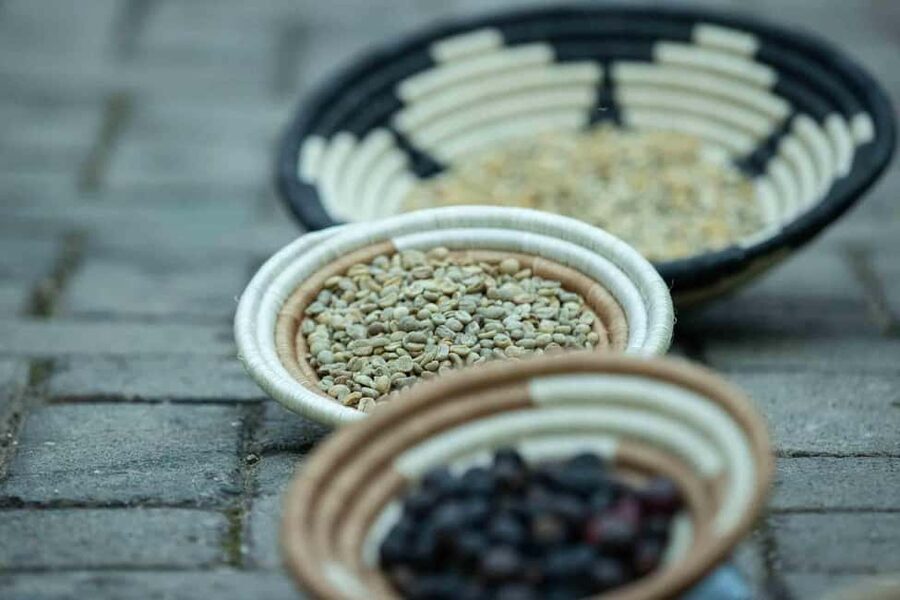
Plan to take part from the beginning. The opening steps can feel unfamiliar, but the experience becomes more rewarding when you handle the fruit and beans yourself rather than standing back.
Ask about both roasting methods. The comparison between traditional and modern preparation is one of the activity’s best teaching points, and you will understand it better if you pay attention to how the beans change.
Save room for the tasting. You may try black coffee and coffee with ginger, so treat the final serving as part of the lesson rather than a quick refreshment.
Allow time for conversation after the formal coffee work. The guides may share information about music, dance, games, or local life, and the center itself has more to see than the coffee table.
If crafts appeal to you, look at the items made through the center’s community work. Purchases are personal expenses, but they offer another direct way to support the project.
English, French, and Swahili are available for instruction. Free cancellation is offered up to 24 hours before the activity for a full refund, and you can reserve now and pay later if you need to keep your plans flexible.
Should You Book the Kigali Coffee Experience?
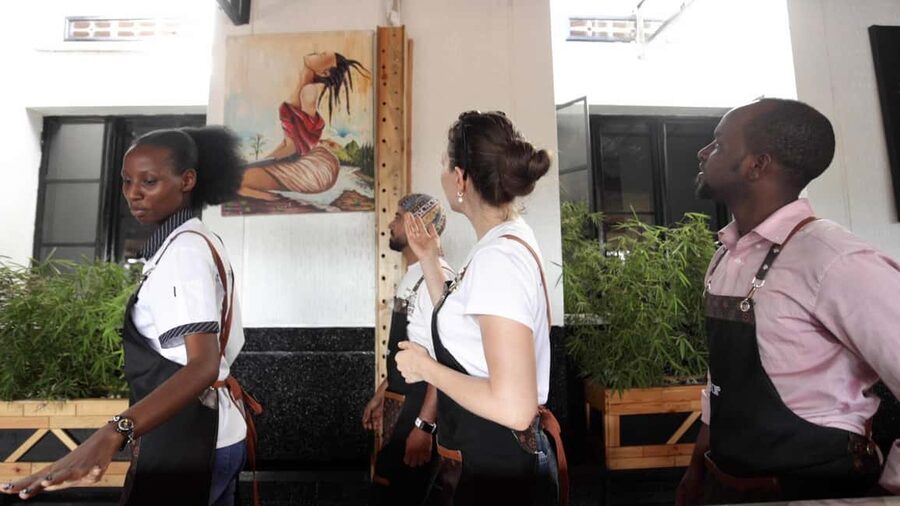
You should book it if you want coffee with a human story and a chance to work with your hands. The strongest parts are the step-by-step preparation, the friendly instruction, the black and ginger tasting, and the cultural setting at Umurishyo Arts Gallery.
Go in knowing that this is a Kigali cultural-center experience, not a long trip through a remote coffee plantation. That distinction is the key to having the right expectations. For $50, I think it is a worthwhile choice for coffee fans, curious first-time visitors, and anyone who wants their spending to support local community work.
If you prefer to watch rather than participate, you may find the roasting and pounding less appealing. But if you are willing to get involved, ask questions, and accept a little coffee dust along the way, this is one of the more personal ways to understand Rwanda’s journey from bean to brew.
FAQ
Where does the traditional coffee experience meet?
The meeting point is Umurishyo Arts Gallery in Kigali Province, Rwanda.
How much does the experience cost?
The price is $50 per person.
How long does the coffee activity last?
The duration is listed as 150 minutes to three hours. Starting times depend on availability.
Is transportation included?
No. Transportation to the meeting point is not included, and you need to arrange your own way to Umurishyo Arts Gallery.
What languages are available?
Instruction is available in English, French, and Swahili.
What does the activity include?
It includes a guided coffee field and cultivation experience at the center, hands-on traditional and modern roasting, a tasting of local blends, cultural information, and support for local businesses and communities.
Can I cancel or pay later?
You can cancel up to 24 hours in advance for a full refund. Reserve now and pay later is also available, so you do not need to pay at the time of booking.
Just added in Kigali
- Gorilla Trekking Adventure – A Day trip (Only transfer)★ 5.0 · 2 reviews
- Rwanda One Day Gorilla Trekking with Iby’iwacu Culture Visit★ 5.0 · 2 reviews
- Traditional Drumming and Dancing Class★ 5.0 · 2 reviews
- One Day Mt Bisoke Hike Adventure in Volcanoes Park ( 2 Pax Min)★ 5.0 · 1 review
- From Kigali: 8 Hour Day-trip Lake Kivu Cruise Experience★ 4.5 · 3 reviews
- Bar Hopping Tour in Kigali Nightclubs★ 4.0 · 3 reviews
- Most Innovative Full-Day Kigali Yacu Experience★ 5.0 · 2 reviews
- Imigongo (cow dung art) Experience★ 5.0 · 1 review
Rwandan Coffee and Tea Tours, compared.

Full Day Shared Akagera Safari Tour with Lunch and Coffee
Read our review →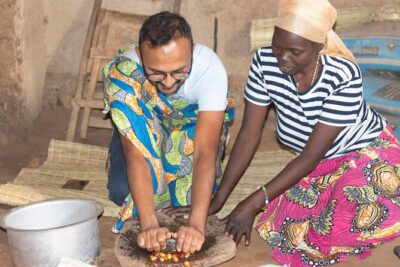
Local Community Tour(Cultural, Coffee,Village walk,Local food)
Read our review →
Private Half-Day Guided Kigali City Tour with Coffee Break Included
Read our review →Browse the lists this tour appears in