
Reviewed · RWANDAN FOOD TOURS
Kigali: Learn How to Make Hot Sauce from Scratch
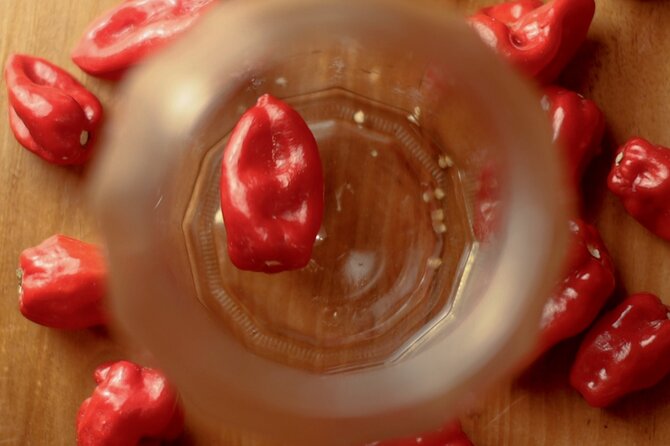
Bring your taste buds. This 90-minute Kigali experience turns a few peppers, spices, and simple ingredients into a bottle of your own hot sauce. I like the hands-on format and the chance to work with local Pili Pili alongside Jalapeños and Habaneros.
I also like that you can taste and adjust the sauce rather than simply follow a fixed recipe. Guide James, who also owns the restaurant where the activity takes place, adds personal stories and talks about Rwanda as you work. The main drawback is clear: if you dislike spicy food or have a pepper allergy, this is not the right pick.
In This Review
- Key Details Before You Book
- Starting With Peppers in Kigali
- Mixing Your Sauce From Scratch
- Learning Why Fermentation Matters
- Meeting James and Hearing About Rwanda
- Bottling a Useful Kigali Souvenir
- Is $35 a Fair Price?
- Who Will Enjoy This Activity Most?
- Language, Group Size, and Timing
- What I Like Most, and What I Would Change
- Should You Book the Kigali Hot Sauce Experience?
- FAQ
- Where does the hot sauce activity take place?
- How long does the experience last?
- How much does it cost?
- Which peppers can I use?
- Can I adjust the flavor of my sauce?
- Do I learn about fermentation?
- Do I get to take the sauce home?
- Is transportation included?
- Are food and drinks included?
- What languages are available?
- How many people can join the group?
- Is the activity suitable for people with pepper allergies?
- Can I cancel for a full refund?
- Do I have to pay when I reserve?
Key Details Before You Book
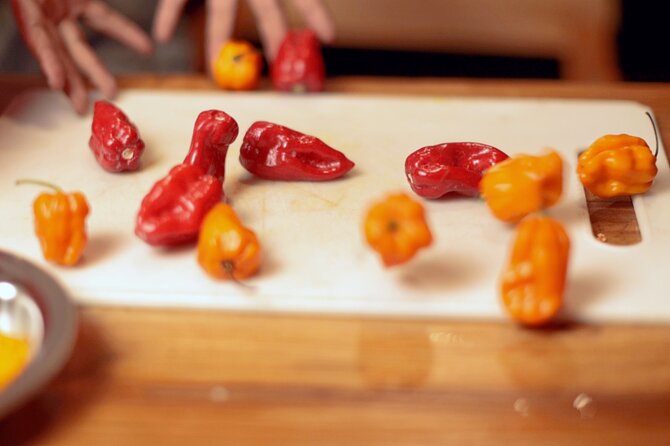
- Pili Pili brings a Rwandan touch: You can mix the local favorite with Jalapeños and Habaneros for a sauce with your preferred level of heat.
- You control the final flavor: Taste as you go, adjust the mixture, and add extra spices if you want a personal twist.
- Fermentation is part of the lesson: You learn how fermentation can deepen flavor and add more kick to hot sauce.
- Your bottle is ready to take home: Bottles are supplied, so you leave with a food souvenir rather than only a memory.
- Small groups keep it practical: A maximum of 10 participants gives you room to ask questions and work directly with the ingredients.
- The price is $35 per person: That includes guidance, peppers, mixing ingredients, a bottle, and expert tips, but not transportation, food, or drinks.
Starting With Peppers in Kigali
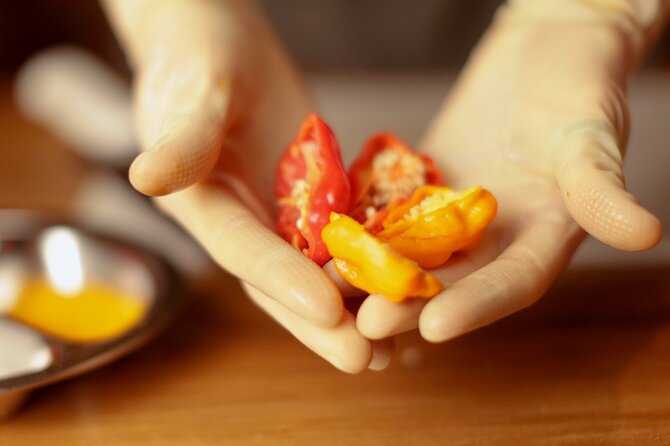
This activity is built around choice. You are not handed one finished sauce and asked to sample it. You select from Jalapeños, Habaneros, and Pili Pili, then decide how you want the blend to taste.
That makes the experience useful even if you know little about hot sauce. You can compare different peppers and learn that heat is only part of the picture. The ingredients also shape the character of the sauce, and the session gives you a chance to adjust rather than guess.
Pili Pili is the ingredient that gives the class a clear Rwandan connection. The activity is not simply a generic cooking lesson transported to Kigali. You are encouraged to work with a local favorite and create something that reflects the flavors you encountered in Rwanda.
The available information does not specify the exact quantities of each pepper, so you should expect guidance rather than a rigid recipe. That is good news if you enjoy experimenting, but less ideal if you want a precise formula to recreate at home.
More food tours in Rwanda:
- Rwanda Half-Day Walking Food Tour
★ 5.0 · 35 reviews - Kigali: Guided Art, History, and Food Tour with Moto Ride
★ 4.9 · 34 reviews - Kigali: Learn How to Make Hot Sauce from Scratch
★ 5.0 · 12 reviews
Mixing Your Sauce From Scratch
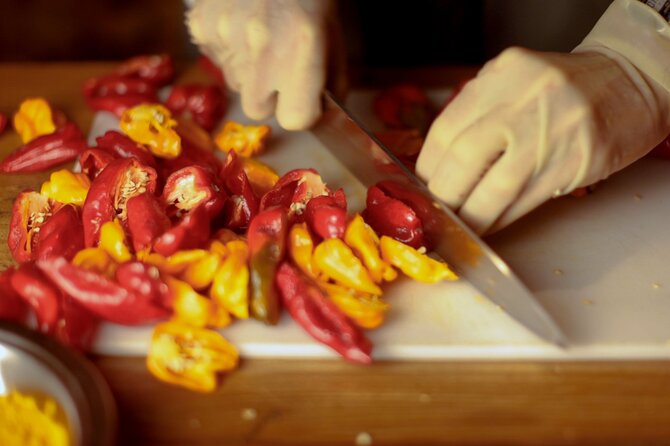
Once you choose your peppers, you mix them with the other ingredients provided. The guide shows you how to bring the blend together, then you taste it and decide what needs changing.
This step is where the 90-minute duration makes sense. You get more than a quick demonstration, but you are not signing up for an entire afternoon in the kitchen. The pace should suit you if you want a focused activity between other plans in Kigali.
I like the tasting-and-adjusting format because it makes the final bottle genuinely yours. You can aim for more heat, a different balance, or extra spice. The exact additional spices are not specified, so ask the guide what is available when you arrive if you have a particular flavor in mind.
Do not assume the hottest option is the best one. A sauce that overwhelms your palate is not much use at home. Start carefully, taste as instructed, and add heat in stages. Habaneros and Pili Pili can make a serious difference, especially when combined.
The class can also work for someone who does not normally enjoy hot sauce, provided that person is comfortable tasting peppers. One participant said they did not like hot sauce but still enjoyed making it. That points to an important distinction: the activity is about learning and creating, not only eating a fiery condiment.
Learning Why Fermentation Matters
The fermentation discussion adds useful context to the practical work. You learn how fermentation can change the sauce, deepen its flavor, and give it more kick.
The session does not promise that you will complete a long fermentation process during the 90 minutes. Instead, you talk about the method as part of understanding how hot sauce can develop over time. That keeps the activity manageable while still giving you a technique to think about after you return home.
For a first-time sauce maker, this is one of the more valuable parts of the experience. You leave with a bottle, but you also gain an idea of how future batches could change through fermentation. If you already make hot sauce, the lesson may feel basic, though the local pepper combination still gives it a distinct Kigali flavor.
The practical value depends on how much you want to learn. If your goal is a quick souvenir, you may see the fermentation talk as extra information. If you enjoy food traditions, kitchen methods, or experimenting with recipes, it gives the activity more substance.
Meeting James and Hearing About Rwanda
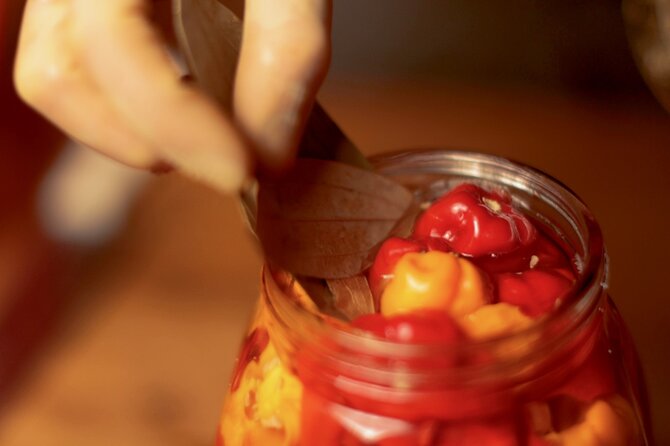
James is identified as both the guide and the owner of the restaurant. That combination seems to shape the experience. He does not only explain how to mix peppers. He also shares personal stories and talks about Rwanda and its people.
That local connection is a major reason I would choose this activity over a standard cooking demonstration. You get a small food experience tied to a person and a place, rather than a generic recipe lesson. James’s role as the restaurant owner also means the setting has a direct link to food service and the way hot sauce is used in cooking.
The personal side matters, especially if you have already seen Kigali’s main sights and want an activity that feels more conversational. The description does not provide a full cultural program, so you should not book this expecting a broad tour of the city or a formal history lecture. The Rwanda discussion grows out of the food and James’s own stories.
That balance may suit you well. You get a taste of local life without committing to a long city excursion. One participant enjoyed the session enough to return to the restaurant twice during the same trip, both to eat and to experience another side of Kigali. That suggests the setting can become part of your wider food plans.
A completely different kind of day:
- Kigali City Tour
★ 5.0 · 452 reviews - Kigali: Walking Tour with a Local Guide
★ 4.9 · 234 reviews - One-day Akagera National Park Game Drive with a Choice 4×4
★ 5.0 · 105 reviews - Hot Air Balloon Flight at Akagera National Park
★ 5.0 · 104 reviews
Bottling a Useful Kigali Souvenir
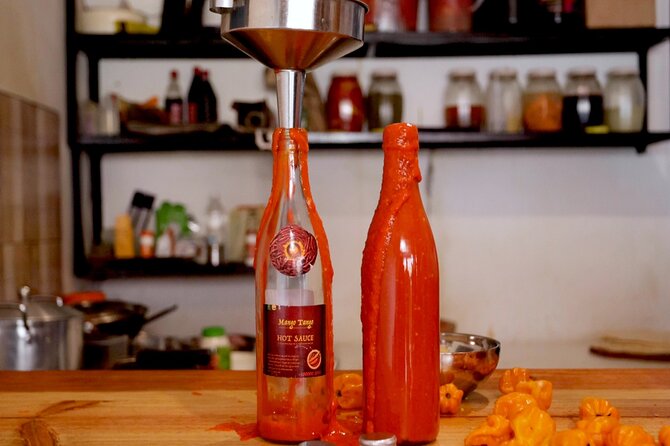
At the end, your sauce is bottled for you to take home. Bottles are included in the price, so you do not need to bring your own container.
This is a better souvenir than another small object if you enjoy cooking. The sauce gives you a way to remember Rwanda at your own table, and it can be shared with family or friends. One participant specifically appreciated leaving with a sealed bottle for people back home to try.
The word sealed matters in practical terms, but the supplied information does not explain airline rules, luggage handling, or how long the sauce keeps. You should ask the provider about storage and transport if you plan to fly with it. Do not assume that a bottled food product will be accepted in every situation.
You also should not expect the bottle to replace a full meal. Extra food and drinks are not included. The activity focuses on making and tasting the sauce, so plan another place to eat if you need lunch or dinner afterward.
Is $35 a Fair Price?
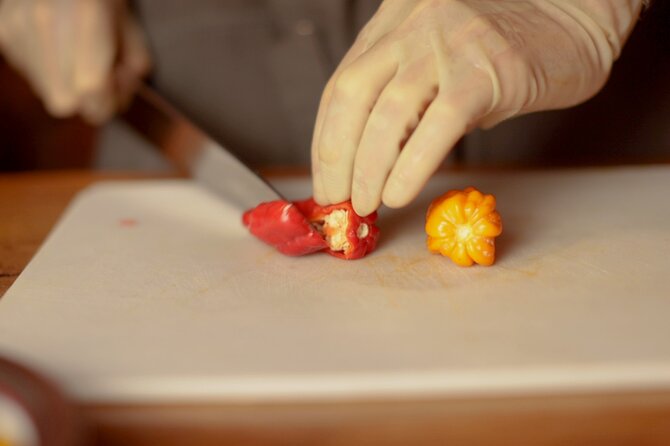
At $35 per person, this is not the cheapest way to spend 90 minutes in Kigali. It is also more than the cost of simply buying a bottle of hot sauce. The value comes from the combination of instruction, tasting, local ingredients, a small-group format, and the take-home bottle.
The price includes:
- Guided hot sauce making
- A selection of peppers
- Ingredients for mixing
- A bottle for your sauce
- Tips from the instructors
It does not include transport, extra food, or drinks. You need to arrange your own way to the location in Kigali Province, and you should budget separately for anything else you want to eat or drink.
I think the price is reasonable if you value participation. You are paying for the process, not just the final product. The small group, limited to 10 people, also matters. You should have a better chance to ask questions and get help with your mixture than in a large class.
The value is weaker if you only want a mild tasting session or a ready-made souvenir. In that case, buying a local sauce may be simpler. Choose this activity because you want to make something, learn how it works, and talk with the people leading it.
Who Will Enjoy This Activity Most?
You are a strong match for this experience if you enjoy food, short hands-on classes, and unusual souvenirs. It also suits solo visitors who want a social activity without joining a large tour.
Couples and small groups can compare their recipes and heat levels. Since the group is capped at 10, the session should feel more personal than a large cooking event. Families should consider each person’s tolerance for spicy ingredients before booking.
This is also a good choice if you have already explored Kigali’s major attractions and want a different kind of afternoon. The activity gives you a reason to talk with a local food professional and learn about Rwanda through a specific ingredient.
You should think twice if you cannot handle spicy food. The experience includes tasting the sauce, and the ingredients include Habaneros and Pili Pili. Anyone with a pepper allergy should avoid it.
You may also want to skip it if you need a fully planned outing with transportation included. Transport is not part of the booking, and no detailed pickup arrangement is provided.
Language, Group Size, and Timing
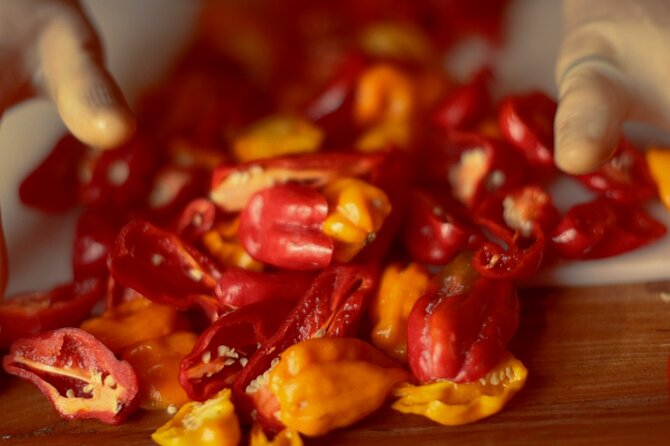
The activity is offered in English and Russian. If you need another language, the provided details do not confirm that one is available, so check before booking.
The session lasts 90 minutes. That is long enough to cover pepper selection, mixing, tasting, adjustment, fermentation tips, and bottling without making the activity a major commitment. Starting times vary, so you need to check availability for the date you want.
A maximum of 10 participants is a useful middle ground. You get the energy of a shared class without the scale of a packed cooking workshop. The exact group size on your date can be smaller, but the maximum is 10.
No transportation is included. Plan your route in advance and allow enough time to arrive, since the activity itself has a fixed duration.
You can cancel up to 24 hours before the activity for a full refund. The reserve-now, pay-later option also lets you hold a place without paying immediately, which is useful if your Kigali schedule is still changing.
What I Like Most, and What I Would Change
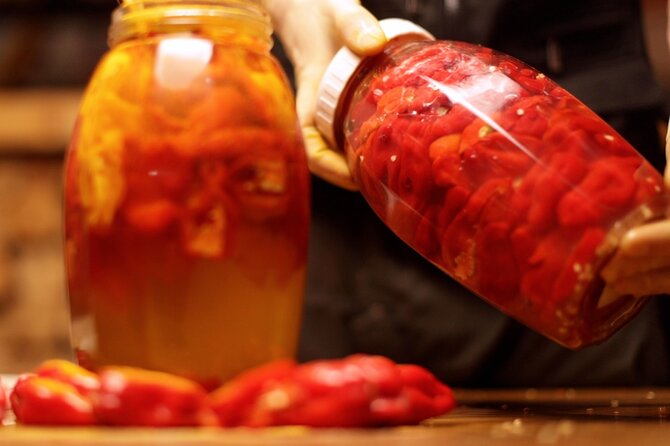
The best part is the control you have over the finished sauce. You choose the peppers, taste the mixture, and make adjustments. That gives the session a clear purpose and keeps you involved from the first step to the final bottle.
I also like the local angle. Pili Pili connects the class to Rwanda, while James adds personal stories and information about the country. The activity feels more meaningful because the food lesson comes through a local restaurant owner rather than a detached classroom setup.
The main limitation is the lack of detail about the exact recipe and final bottle size. If you want to reproduce the sauce at home, you may need to take careful notes and ask questions during the session. The available information also does not say how the bottled sauce should be stored or how long it will last.
The heat level is another real consideration. This is not a mild cooking activity by default. You can adjust the mixture, but you still work with strong peppers. Be honest about your tolerance before you book.
Should You Book the Kigali Hot Sauce Experience?
Book it if you want a short, social, hands-on food activity with a Rwandan flavor. The combination of Pili Pili, personal guidance from James, fermentation tips, and a bottle to take home gives the $35 price a reasonable purpose.
I would especially recommend it to food-minded visitors, curious solo visitors, and anyone who prefers making a souvenir instead of shopping for one. It can also fill a quiet space in your Kigali schedule without taking up half a day.
Skip it if you have a pepper allergy, strongly dislike spicy food, or need transportation and a full meal included. For everyone else, this is a focused way to taste Rwanda through its peppers, learn a practical kitchen skill, and leave with something your family can sample back home.
FAQ
Where does the hot sauce activity take place?
It takes place in Kigali Province, Rwanda.
How long does the experience last?
The activity lasts 90 minutes.
How much does it cost?
The price is $35 per person.
Which peppers can I use?
The available peppers include Jalapeños, Habaneros, and Pili Pili, a local favorite in Rwanda.
Can I adjust the flavor of my sauce?
Yes. You taste the mixture as you go and adjust it to your liking. You can also add extra spices.
Do I learn about fermentation?
Yes. The session includes information about how fermentation can improve the flavor and add more kick to hot sauce.
Do I get to take the sauce home?
Yes. Bottles are provided, and you can take your finished sauce home.
Is transportation included?
No. Transportation is not included.
Are food and drinks included?
No. Extra food and drinks are not included.
What languages are available?
The instructors offer the activity in English and Russian.
How many people can join the group?
The group is limited to 10 participants.
Is the activity suitable for people with pepper allergies?
No. People with pepper allergies should not book this activity. It may also be unsuitable if you cannot handle spicy food.
Can I cancel for a full refund?
Yes. You can cancel up to 24 hours in advance for a full refund.
Do I have to pay when I reserve?
No. The reserve-now, pay-later option lets you book without paying immediately.
Just added in Rwanda
- Hiking Binana Mountain & Waterfalls in Rwanda★ 5.0 · 2 reviews
- Cultural Entertainment Tour★ 5.0 · 3 reviews
- Boat cruise in Twin lakes and Lake Kivu★ 5.0 · 3 reviews
- Gorilla Trekking Adventure – A Day trip (Only transfer)★ 5.0 · 2 reviews
- Rwanda One Day Gorilla Trekking with Iby’iwacu Culture Visit★ 5.0 · 2 reviews
- Traditional Drumming and Dancing Class★ 5.0 · 2 reviews
- One Day Mt Bisoke Hike Adventure in Volcanoes Park ( 2 Pax Min)★ 5.0 · 1 review
- From Kigali: 8 Hour Day-trip Lake Kivu Cruise Experience★ 4.5 · 3 reviews
Rwandan Food Tours, compared.

Guided Art, History, and Food Tour with Moto Ride
Read our review →
Local Community Tour(Cultural, Coffee,Village walk,Local food)
Read our review →
Browse the lists this tour appears in