
Reviewed · FOOD & DRINK
Banana beer brewery
Bananas tell a bigger story here. This half-day experience in Rwanda takes you beyond sightseeing and into a local food tradition, where you collect green bananas, help ripen them underground, and turn the softened fruit into juice. I like the hands-on work and the chance to finish with your own drink at a pub. I also like that the group is capped at 12 people, giving you a better chance to ask questions.
The main thing to consider is transport. The listed meeting point is in Gakenke, private transportation is not included, and hotel pickup requires an upgrade. The tour also includes only a short 10-minute stop at Volcanoes National Park, so this is a cultural activity with a scenic extra, not a national park tour.
In This Review
- Key points at a glance
- Why banana beer matters in Rwanda
- Collecting green bananas and leaves
- The buried bananas and the waiting period
- Peeling, mashing, and straining your drink
- Finishing at the pub
- A short stop near Volcanoes National Park
- Group size, guide quality, and the pace
- What the $90.40 price gets you
- Who should book this experience
- Booking, weather, and cancellation advice
- Final verdict: a worthwhile cultural half-day
- FAQ
- Where does the banana beer tour start?
- How long does the experience last?
- Is hotel pickup included?
- Is Volcanoes National Park admission included?
- How large is the tour group?
- What happens if bad weather cancels the tour?
Key points at a glance
- Traditional banana preparation: Collect green bananas and leaves, then learn how the fruit is buried and left to ripen for several days.
- A hands-on drink-making session: Peel, mash, and strain ripened bananas instead of simply watching a demonstration.
- A pub finish: Drink the banana concoction at the end of the experience in a relaxed local setting.
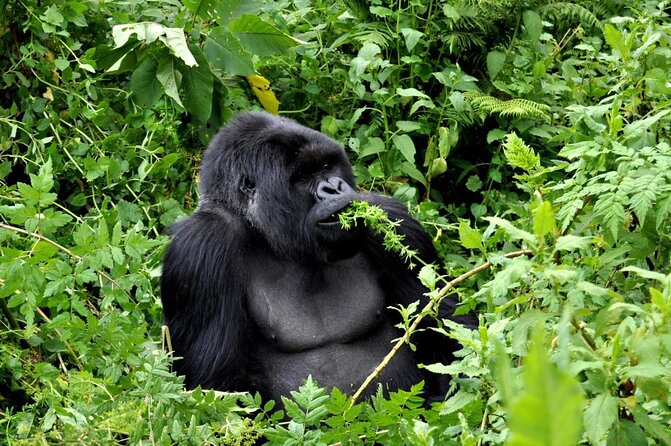
- Volcanoes National Park views: Allow time for photographs of the park and its famous mountain gorilla habitat.
- Small-group format: No more than 12 people join, which should make the guide’s attention more personal.
- Five-hour schedule: The morning starts at 9:00 a.m. and the activity returns to the meeting point.
Why banana beer matters in Rwanda
Bananas are not just a crop on the edge of the road in Rwanda. They are part of daily food culture, local farming, and traditional drinks. This experience gives you a practical way to understand that connection because you work with the fruit from the grove through to the glass.
The drink described here begins with green bananas. You collect the fruit and leaves, then bury them so the bananas can ripen over several days. Later, you dig up the softened fruit, peel it, mash it, and strain it into juice. That process gives the activity its appeal: you are not only tasting something unfamiliar, you are seeing how it is made.
I appreciate tours that let you handle ordinary ingredients in a place where they carry real cultural meaning. A museum display can explain a food tradition, but here you get dirt under the process, a little physical work, and a drink at the end. It is a simple activity, but that is part of its charm.
Do not expect a polished brewery with rows of metal tanks or a formal tasting menu. The value is in the traditional method and the contact with local agricultural life. If you want a modern craft-beer visit, this is the wrong choice. If you want to learn how a familiar crop becomes a local drink, it is a better fit.
More food and tastings in Kigali:
- Rwanda Half-Day Walking Food Tour
★ 5.0 · 35 reviews - Kigali: Guided Art, History, and Food Tour with Moto Ride
★ 4.9 · 34 reviews - Local Community Tour(Cultural, Coffee,Village walk,Local food)
★ 5.0 · 8 reviews
Collecting green bananas and leaves
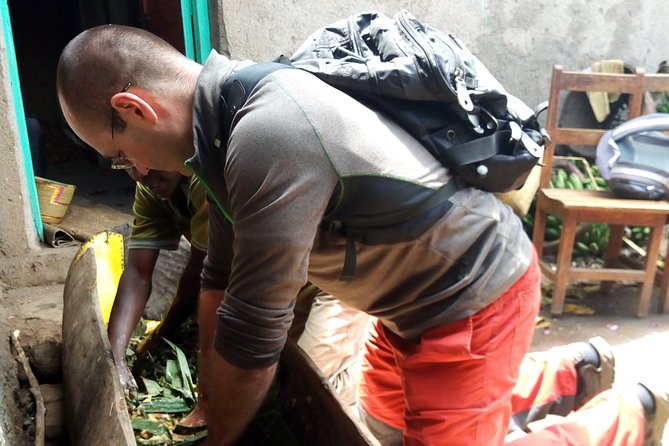
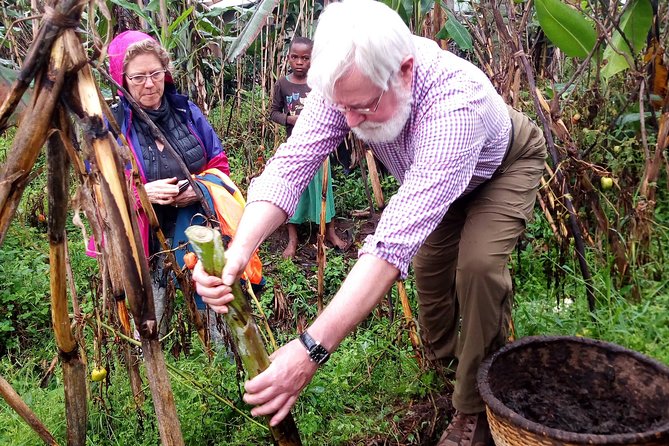
The tour starts at 9:00 a.m. and lasts about five hours. The central activity takes you into a banana grove, where you collect green bananas and leaves used in the ripening process.
This part gives the tour a useful rhythm. You are not rushed straight to a tasting. First, you see the raw material and understand that the drink begins with fruit picked before it is ready to eat. The grove also helps explain why bananas are such an important part of rural life in the area.
The walking is likely manageable for most people with moderate fitness, but you should still wear practical shoes. The experience includes grove walking and handling fruit, so it is not best suited to anyone looking for a fully seated outing. The supplied information asks for a moderate physical fitness level, which is worth taking seriously.
You may find the agricultural work more interesting than the final tasting. It gives you a clear sense of time and effort. The drink is not an instant product. The fruit must be selected, prepared, buried, and left to change before it can be mashed and strained.
The buried bananas and the waiting period
One of the most unusual parts is learning how green bananas and leaves are buried for several days. You also dig up bananas that have already ripened, which lets you compare the beginning and middle of the process.
That small detail makes this more than a quick cooking class. You see how a traditional method uses time rather than equipment to soften and transform the fruit. There is no need for complicated machinery to understand the basic idea. The earth, leaves, and waiting period do much of the work.
The tour lasts around five hours, but the bananas themselves require several days to ripen. That means the group works with fruit prepared at different stages. You collect fresh green bananas while also handling bananas that have already gone through the process. This arrangement lets you see the full cycle during one visit.
I would pay attention during this section and ask the guide to explain each stage clearly. The guide received strong praise for being professional, informative, and good at explaining the process. That matters here because the method may be unfamiliar, and the quality of the explanation will shape how much you take away.
Peeling, mashing, and straining your drink
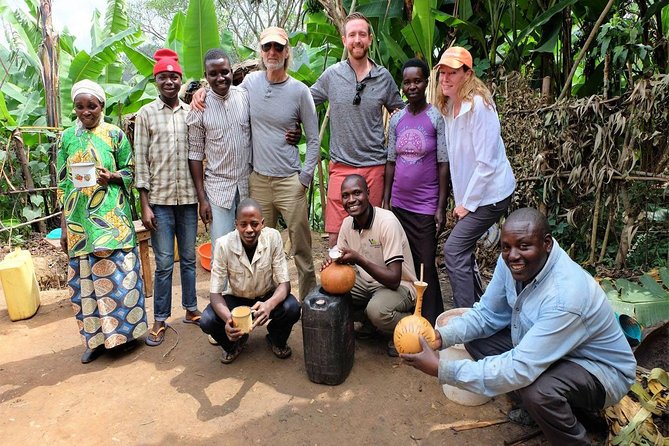
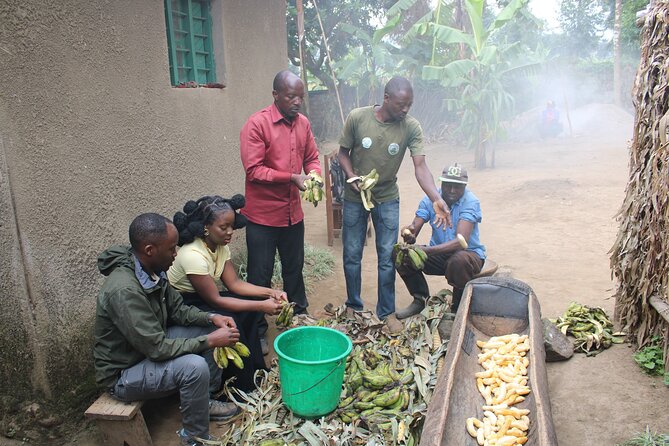
After the bananas have ripened, you peel, mash, and strain the fruit to make juice. This is the point where the activity becomes personal. You are helping create the drink rather than receiving a finished sample.
The work also gives you a better idea of the drink’s texture and flavor. Banana juice made through a traditional method will not feel exactly like a bottled supermarket drink. The process is more direct, and you can see what goes into the final cup.
You should expect a rustic activity rather than a highly controlled food demonstration. The information provided does not promise a professional kitchen, a choice of flavors, or a formal lesson in brewing science. It promises a traditional banana drink, made with guidance and finished at a pub.
That distinction is important. The tour is best for people who enjoy food culture, local customs, and simple practical activities. If you care mainly about tasting several alcoholic drinks, you may find the focus too narrow. The experience centers on banana preparation and juice, with the pub serving as the final setting.
A completely different kind of day:
- Kigali City Tour
★ 5.0 · 452 reviews - Kigali: Walking Tour with a Local Guide
★ 4.9 · 234 reviews - One-day Akagera National Park Game Drive with a Choice 4×4
★ 5.0 · 105 reviews - Private Full-day Kigali City Tour with Pickup and Lunch
★ 5.0 · 79 reviews
Finishing at the pub
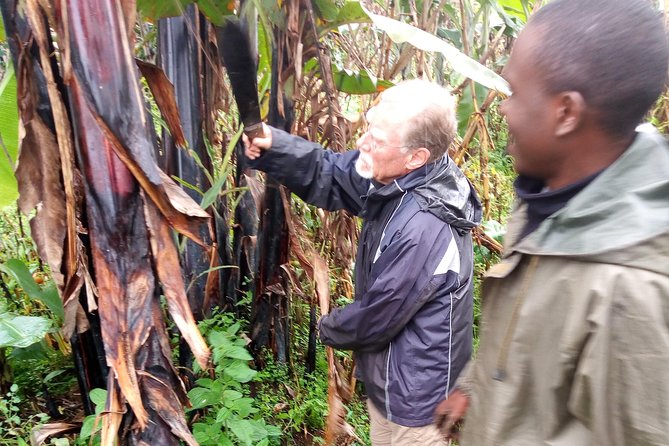
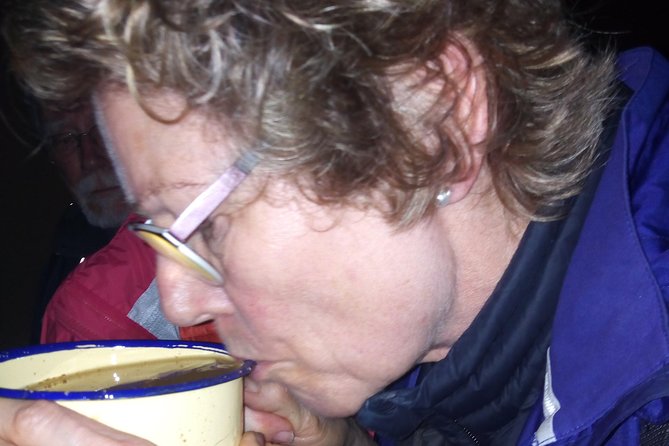
The tour ends with time to drink your concoction at a pub. This gives the activity a social finish after the work in the grove and preparation area.
I like this part because it puts the drink into a local setting. You do not simply taste it while standing beside the preparation area and then leave. You sit down with the result and have a chance to enjoy the final stage at an ordinary place of refreshment.
The supplied details call the product famous banana juice, while the tour title uses banana beer. You should ask the guide how the drink is prepared and what the final version contains if that distinction matters to you. The available information does not provide alcohol content, strength, serving size, or a detailed flavor description, so I would not book this expecting a particular type of beer.
The pub stop may also be the most relaxed time to ask questions. The guide was praised for being professional and informative, so use that opportunity to learn about the drink, the farming process, and how it fits into local life.
A short stop near Volcanoes National Park
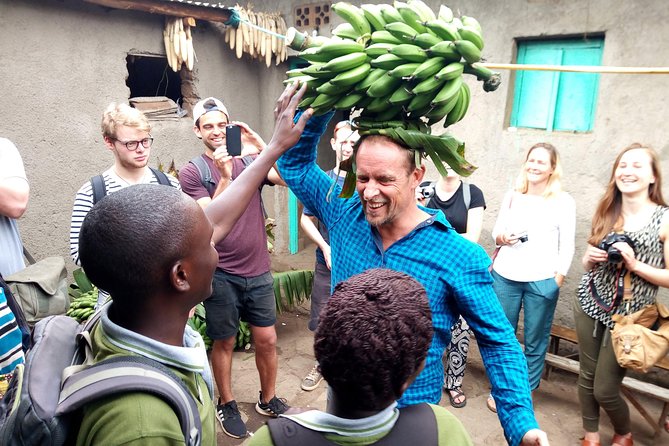
The schedule includes a 10-minute stop at Volcanoes National Park for photographs. The park is famous as the home of mountain gorillas, and the views give the day a strong visual bonus.
Keep your expectations in check. Ten minutes is enough for a quick photo stop, not a full park visit, gorilla trek, nature walk, or wildlife tour. Admission is not included, and the information provided does not say that you enter the park for an extended visit.
This stop works best as a scenic pause between the cultural parts of the experience. Bring your camera and be ready to move quickly. If your main reason for coming to Rwanda is the gorillas, you will need a separate gorilla trekking arrangement. This banana tour does not replace that experience.
The location details also deserve careful attention. The meeting point is listed as Gakenke, while the scenic stop is at Volcanoes National Park. Since private transportation is not included, confirm the exact route and meeting instructions before booking. The tour offers an upgrade for hotel transfers, which may be the simplest choice if you are staying outside the listed starting point.
Group size, guide quality, and the pace
The maximum group size is 12 people. That is small enough to keep the activity from feeling like a moving crowd, while still giving you the chance to meet other people.
A small group matters most during the hands-on parts. You want to hear how the bananas are buried, see the preparation clearly, and get help with mashing and straining. With fewer than 12 people, the guide has a better chance to answer questions and correct you if you are unsure what to do.
The guide is the experience’s strongest praised feature. The available feedback highlights exceptional professionalism, clear information, and an authentic feel. No guide name is provided, so I cannot give you a personal name to request. Still, the praise suggests that the explanation is not an afterthought.
The schedule begins at 9:00 a.m. and runs for about five hours. That is a useful length for a half-day. You get enough time for the grove, the ripening demonstration, the preparation, the pub, and the park photo stop without committing a whole day.
What the $90.40 price gets you
At $90.40 per person, this is not a bargain-basement local tasting. The price makes more sense if you value a guided cultural activity, a small group, the preparation work, and the scenic stop in one half-day.
Bottled water is included. Private transportation is not included, although hotel transfers can be added through an upgrade. That transport detail can change the real cost, especially if you are not already near Gakenke or cannot easily reach the meeting point by public transport.
The experience is near public transportation, which gives independent visitors another option. Still, you should check the route carefully because the published meeting point and park stop are separate locations. A low headline price is less useful if reaching the start takes costly or awkward transport.
The price is easier to justify for someone who wants a guide to explain local customs. The strong guide feedback supports that value. You are paying for access, instruction, coordination, and a small-group setting, not only for a cup of banana drink.
I would compare the cost with the price of a simple local food activity, then add your transport needs. If you already plan to be in the area and can reach Gakenke easily, the value is better. If you need hotel pickup and a long transfer, ask for the total price before committing.
Who should book this experience
I would recommend the tour to you if you enjoy:
- Local food and drink traditions
- Hands-on cultural activities
- Rural settings and short walks
- Small groups rather than large coach tours
- Scenic photography near Volcanoes National Park
- Guided experiences with a clear local focus
It should also suit anyone who wants a gentle introduction to Rwanda’s banana culture before moving on to larger national park activities. You get a close look at one everyday ingredient and the work behind a traditional drink.
I would be more cautious if you want a full day in Volcanoes National Park, gorilla viewing, a serious brewery tour, or a broad tasting of Rwandan drinks. The park stop is brief, and the drink is the central focus.
You should also consider your fitness and comfort with outdoor work. The activity calls for moderate physical fitness. It may involve walking through the grove, handling bananas, and taking part in the preparation, so bring suitable clothing and footwear.
Booking, weather, and cancellation advice
Confirmation arrives when you book, and the activity accepts mobile tickets. The tour requires good weather. If poor weather causes cancellation, you will be offered another date or a full refund.
You can cancel for a full refund up to 24 hours before the start time. Cancellations or changes made less than 24 hours before the 9:00 a.m. start are not refunded or accepted. The cut-off follows local time, so check the clock carefully if you are booking from another country.
The tour ends back at the meeting point. Since private transport is not included, confirm the exact starting point, return point, and any hotel transfer upgrade before the day of the activity.
Final verdict: a worthwhile cultural half-day
I would book this tour if I wanted an authentic, practical look at a Rwandan banana tradition rather than another standard sightseeing stop. The strongest reasons are the hands-on method, the small group, the capable guide, and the chance to finish with your own drink at a pub.
I would not book it mainly for Volcanoes National Park. Ten minutes is too short for that, and park admission is not included. I would also check transport before paying, since Gakenke is the starting point and private transportation costs extra.
For the right visitor, $90.40 buys more than a tasting. It buys a guided look at how a local drink is made, from green fruit in the grove to a finished cup. If that kind of everyday cultural detail appeals to you, this is a focused and worthwhile half-day.
FAQ
Where does the banana beer tour start?
The activity starts in Gakenke, Rwanda, at 9:00 a.m. It ends back at the meeting point.
How long does the experience last?
The tour lasts approximately five hours.
Is hotel pickup included?
Private transportation is not included. You can upgrade to include transfers from your hotel.
Is Volcanoes National Park admission included?
No. The park stop lasts about 10 minutes, and the admission ticket is not included.
How large is the tour group?
The activity allows a maximum of 12 people.
What happens if bad weather cancels the tour?
Because the experience requires good weather, you will be offered a different date or a full refund if poor weather causes cancellation.
Just added in Kigali
- Traditional Drumming and Dancing Class★ 5.0 · 2 reviews
- Gorilla Trekking Adventure – A Day trip (Only transfer)★ 5.0 · 2 reviews
- Rwanda One Day Gorilla Trekking with Iby’iwacu Culture Visit★ 5.0 · 2 reviews
- One Day Mt Bisoke Hike Adventure in Volcanoes Park ( 2 Pax Min)★ 5.0 · 1 review
- From Kigali: 8 Hour Day-trip Lake Kivu Cruise Experience★ 4.5 · 3 reviews
- Bar Hopping Tour in Kigali Nightclubs★ 4.0 · 3 reviews
- Most Innovative Full-Day Kigali Yacu Experience★ 5.0 · 2 reviews
- Kigali City Tour and Sightseeing★ 5.0 · 3 reviews
Food & Drink, compared.
Guided Art, History, and Food Tour with Moto Ride
Read our review →
Local Community Tour(Cultural, Coffee,Village walk,Local food)
Read our review →

Browse the lists this tour appears in