
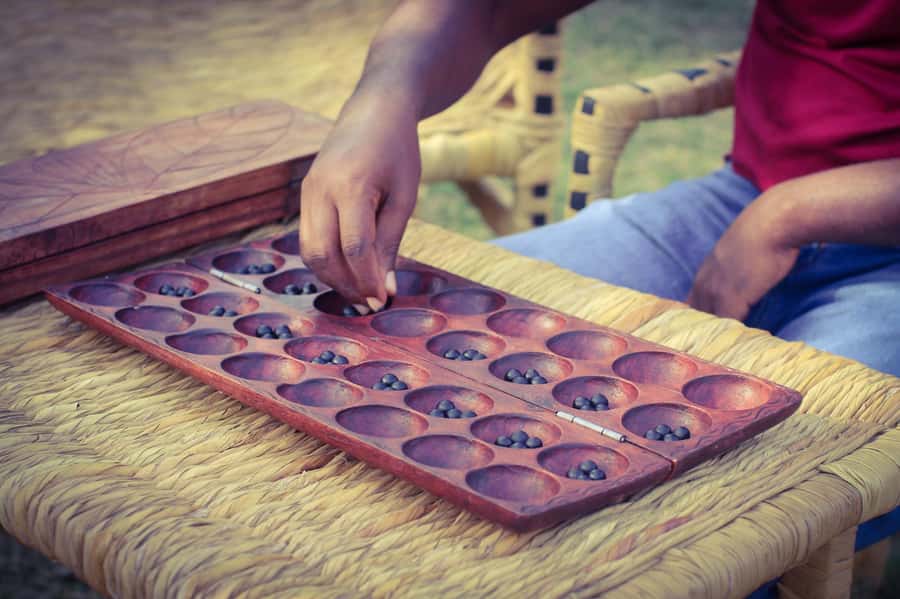
Reviewed · TRADITIONAL CULTURE EXPERIENCES
Kigali: Learn Rwandan Table Game (IGISORO) with a Local
Games open doors. This two-hour Kigali experience gives you a relaxed way to learn Igisoro, Rwanda’s traditional board game, with local experts who explain both the rules and the cultural meaning behind it. I like the personal instruction and the chance to play soon after learning the basics, rather than sitting through a long talk.
I also like the small group of no more than five people, which should give you useful time at the board and room to ask questions. The main consideration is that transportation is not included, and the activity is not suitable for children under 12 or people with severe reduced mobility.
In This Review
- Key Points To Know Before You Go
- Why Igisoro Makes A Good Kigali Activity
- Meeting A Local Expert Near Kimironko
- The First Lesson: Board, Rules, And Strategy
- Playing Igisoro With Other Participants
- Culture Through Conversation, Not A Lecture
- Refreshments And The Social Pause
- Taking Home A Handcrafted Board
- Who Will Enjoy These Two Hours
- Is $25 A Fair Price?
- Final Verdict: Book It If You Like Real Participation
- FAQ
- How long does the Igisoro experience last?
- How much does the activity cost?
- Is transportation included?
- What language does the instructor speak?
- How many people can join the group?
- Is the activity suitable for children?
Key Points To Know Before You Go
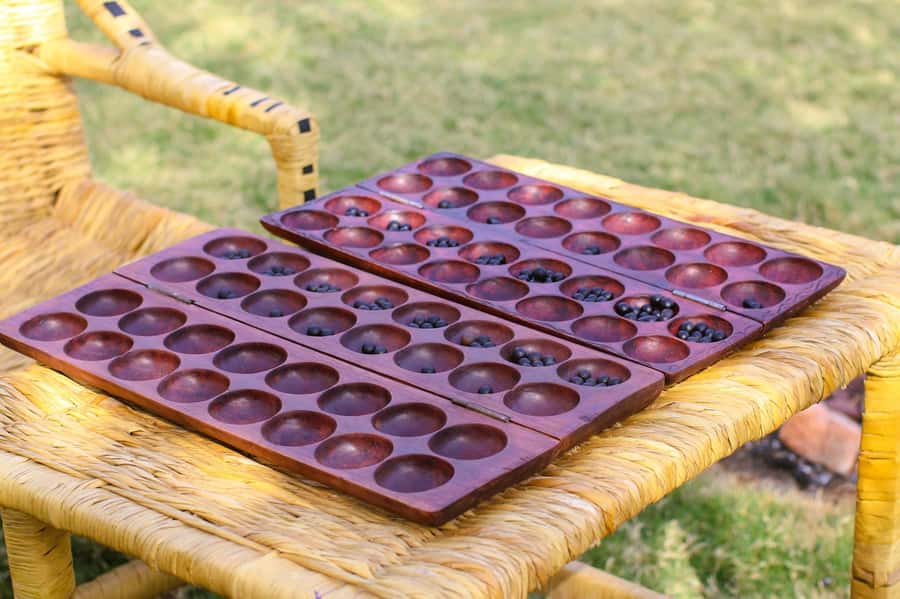
- You learn by playing: Rules and strategy are explained, then you take part in interactive games.
- A local guide leads the session: Celestin has welcomed participants near Kimironko Bus Park at Culture Center Umurishyo Art Gallery.
- The group stays small: A maximum of five people makes this more personal than a large cultural demonstration.
- The setting is social: Refreshments are offered while conversation and friendly competition continue around the board.
- You can take home a board: A handcrafted Igisoro board is provided as a keepsake, with the option to buy a beautifully carved board according to one account.
- The activity costs $25: For two hours of instruction, play, cultural context, and a handmade souvenir, the price is fair, though meals and transport cost extra.
Why Igisoro Makes A Good Kigali Activity
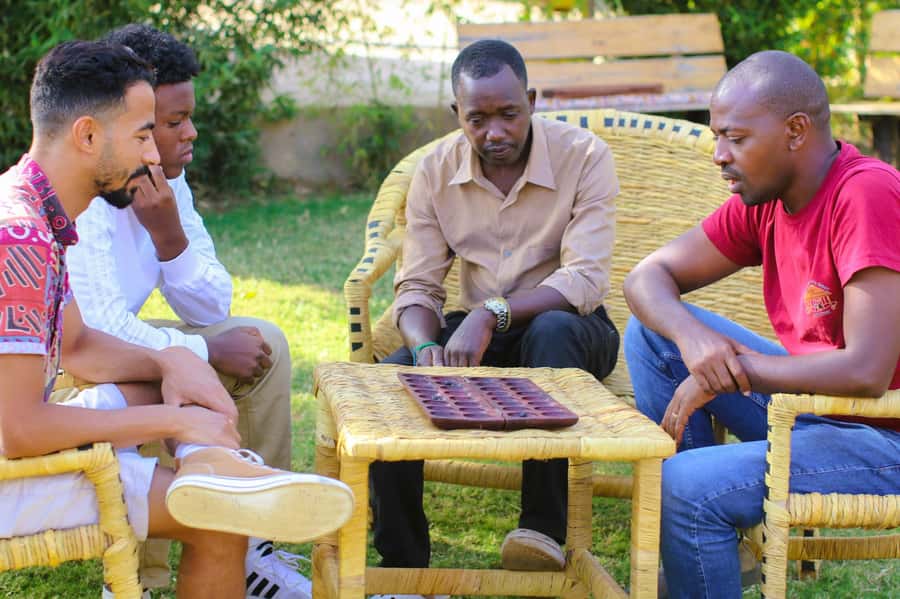
Kigali offers museums, memorial sites, galleries, markets, and food experiences. Igisoro gives you something different: a chance to sit down with a local person and take part in a pastime that has been enjoyed by generations of Rwandans.
That matters because you are not simply looking at an object behind glass. You are handling the board, listening to the explanation, making moves, and responding to another player. The cultural lesson comes through conversation and practice.
The activity describes Igisoro as an irhenzi board game. The central appeal is not only winning. You learn how the game works, how players think ahead, and why it has a place in Rwandan social life.
I find this kind of experience especially useful early in a stay. You do not need a full day, special equipment, or deep knowledge of Rwanda. Two hours is enough time to learn the basics without taking over your schedule.
More cultural experiences in Kigali:
- Kigali: Mount Kigali and Cultural Village Tour with Snacks
★ 4.8 · 62 reviews - Kigali: Traditional Coffee Experience ( Bean to Brew)
★ 4.8 · 54 reviews - Kigali: Traditional Basket Weaving in a Garden
★ 4.8 · 41 reviews
Meeting A Local Expert Near Kimironko
One account places the meeting at Culture Center Umurishyo Art Gallery, near Kimironko Bus Park. Celestin welcomed a participant there and explained the rules right away. That detail is useful because it gives you a clear type of meeting point, although you should confirm the exact location and starting time when you book.
The experience is conducted in English. That makes the instruction accessible if you do not speak Kinyarwanda, and it also lets the session become a wider conversation about daily life and culture.
Celestin was described as cheerful and patient, two qualities that matter with a strategy game. The first few turns can feel confusing, especially when you are still trying to remember how the pieces move and what each move is meant to achieve. A patient teacher keeps the session fun instead of making you feel as if you are taking an exam.
You should plan your own way to the meeting point because transport to and from the activity is not included. Kimironko is a useful Kigali reference point, but the activity information does not promise hotel pickup.
The First Lesson: Board, Rules, And Strategy
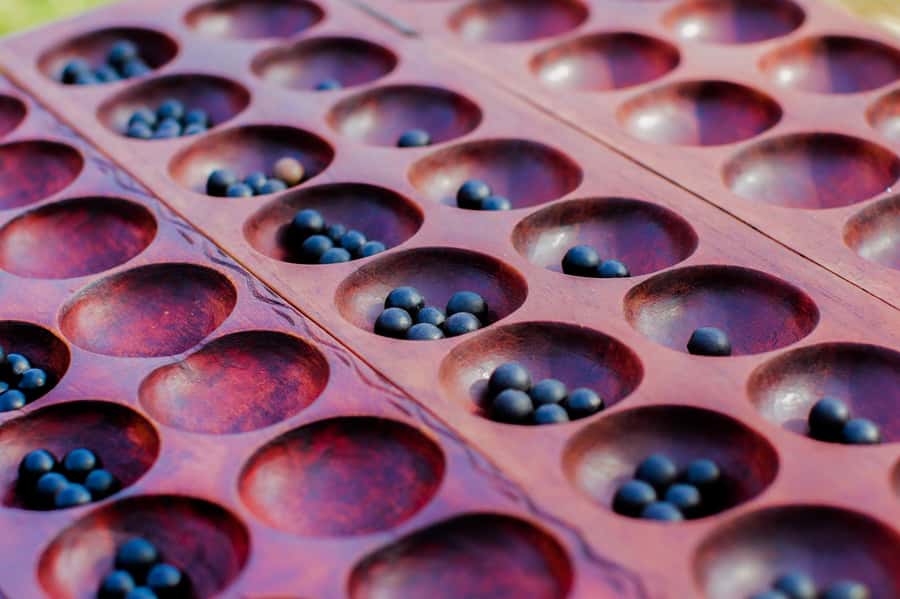
The session begins with an introduction to the game. Your local instructor explains the rules and the strategies involved before you start playing. The order is sensible: learn enough to begin, then understand more as the game develops.
You will probably find that the rules make more sense once the pieces are in front of you. A board game can sound complicated when explained in the abstract. On the board, each move gives you something concrete to follow.
The instructor’s role is important here. You can ask why a move matters, what you should watch for, and how the game develops. The point is not just to memorize a set of instructions. You are learning how players make decisions.
This is also where the small group helps. With only five participants allowed, the instructor has a better chance of seeing where you are stuck. You may also get more time for your own game instead of waiting for a large group to finish a demonstration.
Do not expect a competitive tournament. The tone is friendly, social, and relaxed. That makes the activity a good choice if you enjoy learning at your own pace.
Playing Igisoro With Other Participants
After the introduction, you begin playing. This is the heart of the experience, and it gives the two-hour session its value.
The game creates an easy reason to talk. You are not searching for conversation from scratch because the board gives you a shared subject. During play, you can discuss moves, ask questions, and talk with the local instructor about other topics.
One participant played with Celestin while they discussed various subjects during the game. That is a useful picture of the experience: the board is the focus, but the conversation is part of the reward.
You may win, lose, or remain unsure about what happened. None of those outcomes ruins the activity. In fact, losing a first game can be helpful because the rules begin to settle in when you see a strategy fail.
The session suits people who like thoughtful activities more than fast sightseeing. You are sitting for much of the time, concentrating on the board and responding to the people around you. If you want constant movement, landmarks, or a packed schedule, this may feel too quiet.
For everyone else, the slower pace can be a welcome change. Kigali sightseeing often involves getting from one part of the city to another. Here, the entertainment comes from paying attention.
A completely different kind of day:
- Kigali City Tour
★ 5.0 · 452 reviews - Kigali: Walking Tour with a Local Guide
★ 4.9 · 234 reviews - One-day Akagera National Park Game Drive with a Choice 4×4
★ 5.0 · 105 reviews - Private Full-day Kigali City Tour with Pickup and Lunch
★ 5.0 · 79 reviews
Culture Through Conversation, Not A Lecture
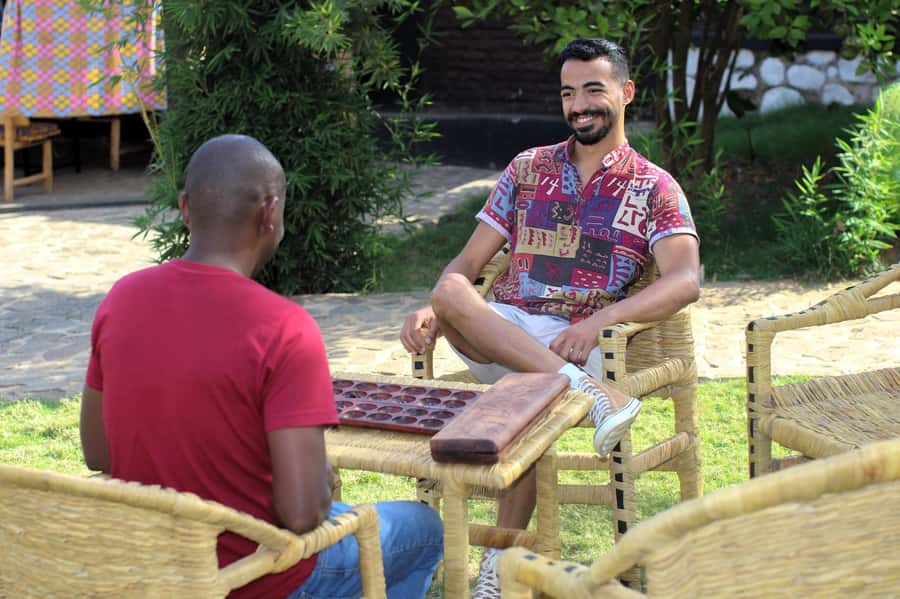
Igisoro is presented as a game with cultural meaning in Rwandan society. The session gives you context about that role while you play, so the cultural information is connected to something you are doing.
I prefer this approach to a long speech followed by a quick photo opportunity. You have time to ask what the game means, how it has been passed down, and why it remains worth learning. The supplied information does not provide a full historical timeline, so you should think of the cultural portion as an accessible introduction rather than a formal academic lesson.
The game has been enjoyed by older generations of Rwandans, which gives the activity a link to family and community life. You are learning a pastime that has been part of people’s leisure for generations, not a performance created only for visitors.
That distinction helps explain why the conversation matters. A move on the board can lead to a discussion about patience, planning, friendly rivalry, or the way traditional games remain part of social life.
The setting is described as a cultural village and, in one account, as the grounds of a small art gallery. You might find the surroundings appealing if you enjoy combining a hands-on activity with a little local art and culture.
Refreshments And The Social Pause
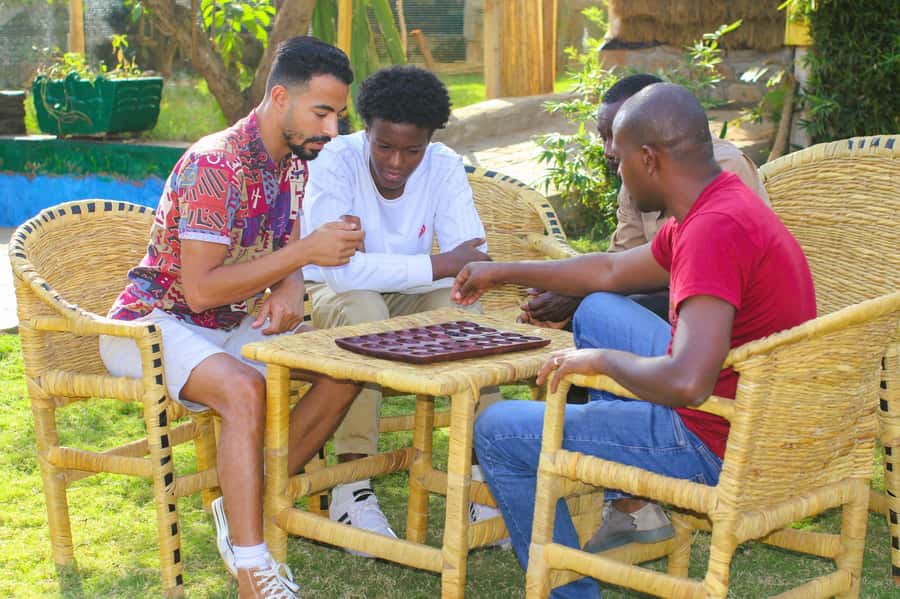
Refreshments are included, adding a simple social break to the session. This is not presented as a full meal, so you should not arrive expecting lunch to be part of the $25 price.
Food and drinks are listed as not included, despite refreshments being provided. The practical reading is that you receive some refreshments during the activity, while any meal or additional drinks are your responsibility.
A restaurant is available on site at the Culture Center Umurishyo Art Gallery. One participant enjoyed ugali with goat meat there after playing. That meal was paid for separately, but it may make the location convenient if you want to eat before leaving.
You should treat the restaurant as an optional extra, not a guaranteed part of the activity. The food information specifically supports the availability of a restaurant and one positive meal experience, but it does not state that a meal is included or that a particular menu is always available.
The refreshments and relaxed atmosphere help the experience feel less formal. You are not being rushed from one explanation to the next. There is room to sit, play, talk, and take in the setting.
Taking Home A Handcrafted Board
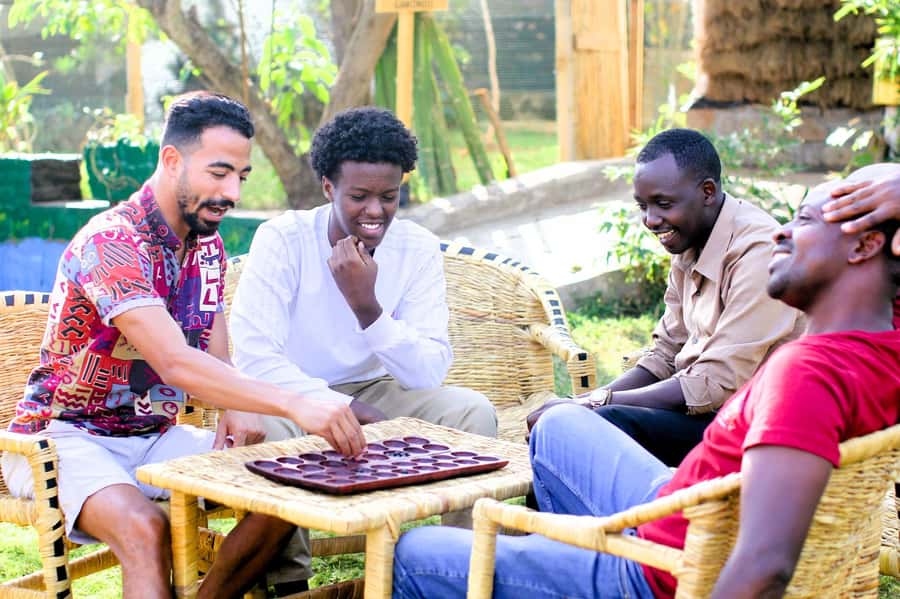
A handcrafted Igisoro board is provided as a keepsake. That is a strong extra for an activity centered on a traditional game because it lets the lesson continue after you leave Kigali.
You can use the board to show friends what you learned, try to teach someone else, or simply keep it as a reminder of your time in Rwanda. It is more meaningful than a generic souvenir because it is tied directly to the activity.
One participant bought a beautifully carved board. That suggests you may have an opportunity to purchase an additional or more decorative board, but the available information does not give a price or guarantee a particular design.
If you are interested in buying one, ask about cost, size, packing, and whether the board is included in your booking or offered separately. Do not assume that every board you see is part of the $25 package.
The handmade aspect also affects the value calculation. At $25 per person, you are paying for local instruction, play, refreshments, cultural conversation, and a physical keepsake. That is a reasonable package for two hours, especially if you care about meaningful souvenirs.
Who Will Enjoy These Two Hours
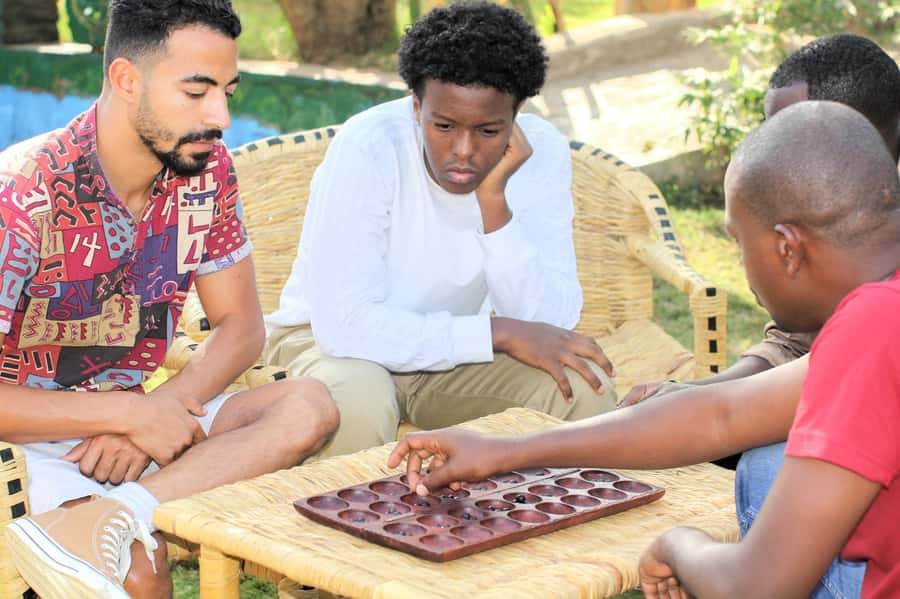
This activity suits adults and children aged 12 and older who enjoy board games, local culture, and small-group conversation. It is a good fit for solo visitors because the structure gives you an easy way to meet people and play without arranging your own group.
Couples and friends may enjoy the friendly competition. You can learn together, compare strategies, and continue playing after the session if you take a board home.
It also works for people who want a break from major sights. The experience is quiet, interactive, and focused. You do not need to be an expert at games. The instructor explains the rules and strategies, and the group is limited in size.
It is less suitable for children under 12. The activity information also says it is not suitable for people with severe reduced mobility, and baby strollers or carriages are not allowed. If those points affect your plans, check before booking rather than assuming the setting will accommodate you.
Is $25 A Fair Price?
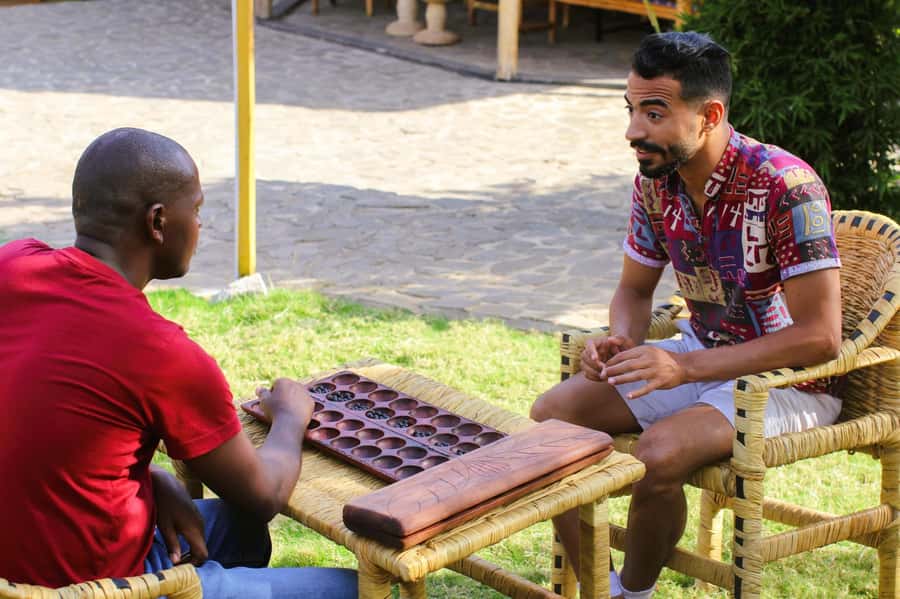
At $25 per person, the cost is fair if you value personal instruction and cultural exchange. You receive a two-hour session, English-language guidance from a local Igisoro expert, interactive gameplay, refreshments, and a handcrafted board to take home.
The small group improves the value. A limit of five means you are not paying for a distant demonstration where the instructor spends most of the time speaking to other people.
The price is less attractive if you mainly want a souvenir or a quick photo. You could likely find other ways to buy a carved board, but you would miss the instruction and the chance to learn how it is used.
Remember to budget for your own transport and any meal or extra drinks. A restaurant on site may be convenient, but it is not part of the activity price.
Flexible booking also helps. You can reserve now and pay later, and free cancellation is available up to 24 hours in advance for a full refund. Starting times vary, so check availability for the date you want.
Final Verdict: Book It If You Like Real Participation
I recommend this Igisoro session if you want a modest, personal cultural activity in Kigali. Its strongest features are the small group, local instruction, friendly tone, and the chance to learn through actual play instead of passive observation.
The experience is not a full city tour, a formal history lesson, or a meal outing. You must arrange your own transport, and additional food costs extra. But for two hours and $25, you get a clear introduction to a Rwandan traditional game, time with an English-speaking local expert, refreshments, and a handmade reminder of the experience.
Book it if you enjoy board games, conversation, and cultural activities that ask you to take part. Skip it if you need nonstop sightseeing, hotel transportation, or an activity suitable for young children.
FAQ
How long does the Igisoro experience last?
The activity lasts two hours.
How much does the activity cost?
The price is $25 per person.
Is transportation included?
No. Transportation to and from the activity locations is not included.
What language does the instructor speak?
The instructor speaks English.
How many people can join the group?
The group is limited to five participants.
Is the activity suitable for children?
The activity is not suitable for children under 12. Baby strollers and baby carriages are also not allowed.
Just added in Kigali
- Gorilla Trekking Adventure – A Day trip (Only transfer)★ 5.0 · 2 reviews
- Rwanda One Day Gorilla Trekking with Iby’iwacu Culture Visit★ 5.0 · 2 reviews
- Traditional Drumming and Dancing Class★ 5.0 · 2 reviews
- One Day Mt Bisoke Hike Adventure in Volcanoes Park ( 2 Pax Min)★ 5.0 · 1 review
- From Kigali: 8 Hour Day-trip Lake Kivu Cruise Experience★ 4.5 · 3 reviews
- Bar Hopping Tour in Kigali Nightclubs★ 4.0 · 3 reviews
- Most Innovative Full-Day Kigali Yacu Experience★ 5.0 · 2 reviews
- Imigongo (cow dung art) Experience★ 5.0 · 1 review
Traditional Culture Experiences, compared.
Mount Kigali and Cultural Village Tour with Snacks
Read our review →

Guided Art, History, and Food Tour with Moto Ride
Read our review →
Kigali City Tour: History, Art and Local Highlights.
Read our review →

Browse the lists this tour appears in