
Reviewed · TRADITIONAL CULTURE EXPERIENCES
Kigali: Gatsata Village Storytelling Walk to Mount Jali
History rises uphill here. This three-hour walk links the Nyabugogo River with Mount Jali, giving you a local view of Gatsata through village stories, farming areas, plants, and Kigali’s wider past. I like the honest mix of culture and walking, and I especially like that guides such as John, Shaffi, Shadia, and Latiff bring local knowledge to the route.
I also like the views from Mount Jali and the chance to see a quieter side of Kigali Province. The main caution is the storytelling: Shaffi was warm and personable, but one visitor felt the tour needed more detail about village customs and daily life. At $39, the value depends heavily on your guide and on how much you enjoy a moderate uphill walk.
In This Review
- Key points to know before you book
- From Kigali Heights to Gatsata
- The Nyabugogo River and Gatsata’s difficult past
- Village paths and everyday Gatsata
- Walking uphill toward Mount Jali
- Reaching the Mount Jali summit
- What the guide can add to the walk
- Is $39 a fair price?
- Who should book this Gatsata walk?
- Should you book the Mount Jali storytelling walk?
- FAQ
- How long is the Gatsata Village walk?
- Where is the meeting point?
- Is transportation included?
- What language is the tour conducted in?
- Is the walk physically difficult?
- What should I bring?
- Can children join the tour?
- Are food and drinks included?
- Can I cancel the booking?
Key points to know before you book
- The walk begins at the Nyabugogo River: This is not just a scenic starting point. The river is tied to Gatsata’s origins and development.
- Mount Jali supplies the physical payoff: You walk uphill through local scenery and reach wide views over Kigali.
- The tour carries difficult history: A field near the river once held homes destroyed during the genocide, and the area is now used for beans, maize, and sweet potatoes.
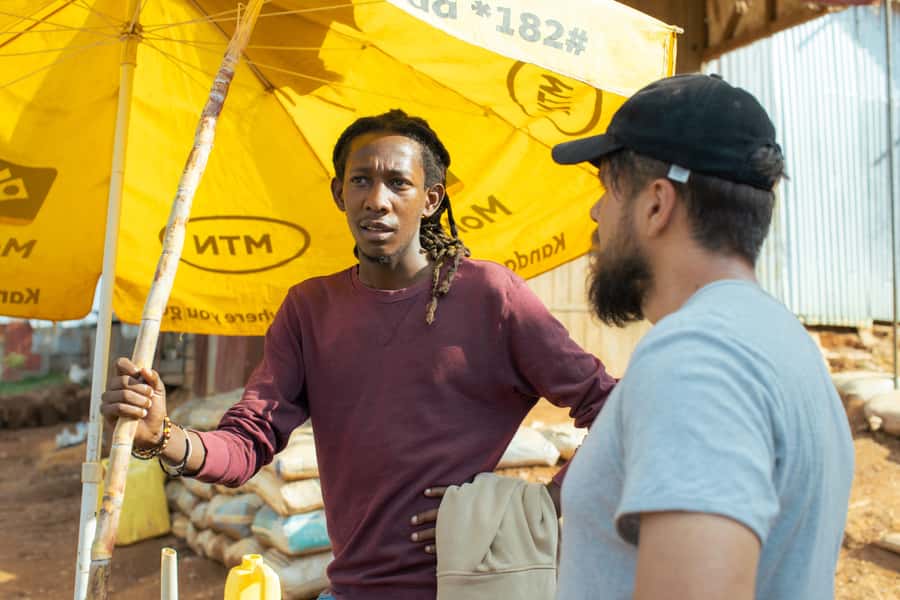
- Guide quality matters: John received warm praise for explaining plants, trees, people, and culture. Shaffi was also described as friendly and local to Gatsata.
- This is a real walking outing: Bring water, sunscreen, a hat, and proper shoes. The route is not suited to children under 14 or people with low fitness.
- Logistics are simple but not door to door: You meet at Kigali Heights, then travel to the activity site. Transport, food, and personal spending are not included.
From Kigali Heights to Gatsata
Your meeting point is Kigali Heights, followed by movement to the activity site. Transportation to and from the experience is not included, so you need to factor that into both your budget and your morning or afternoon plans.
That arrangement is worth noting because the advertised $39 covers the guided walk, not a private transfer from your hotel. If you are already in central Kigali, this may be easy to manage. If you are staying farther away, confirm the meeting details and allow enough time to reach Kigali Heights.
The tour lasts three hours. Morning and afternoon departures are available, although the exact start times depend on availability. A morning walk may feel more comfortable if you prefer cooler conditions, while an afternoon outing can work well around other Kigali plans. The important point is to leave enough room for the walk itself, transport between the meeting point and route, and the uphill section.
The group size is not stated, so I would not assume a private or small-group experience. The live guide speaks English, and the walk is led by a local expert familiar with the area.
More cultural experiences in Kigali:
- Kigali: Mount Kigali and Cultural Village Tour with Snacks
★ 4.8 · 62 reviews - Kigali: Traditional Coffee Experience ( Bean to Brew)
★ 4.8 · 54 reviews - Kigali: Traditional Basket Weaving in a Garden
★ 4.8 · 41 reviews
The Nyabugogo River and Gatsata’s difficult past
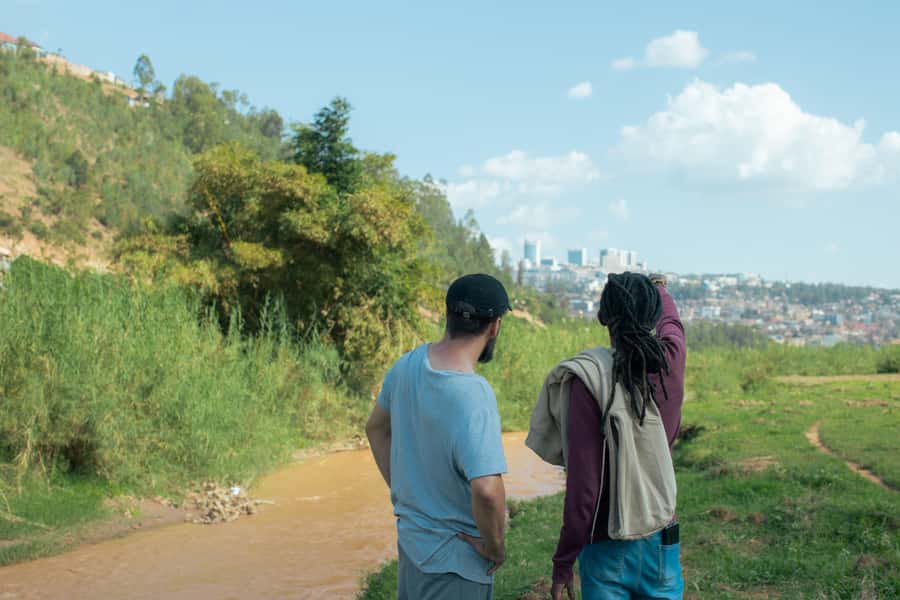
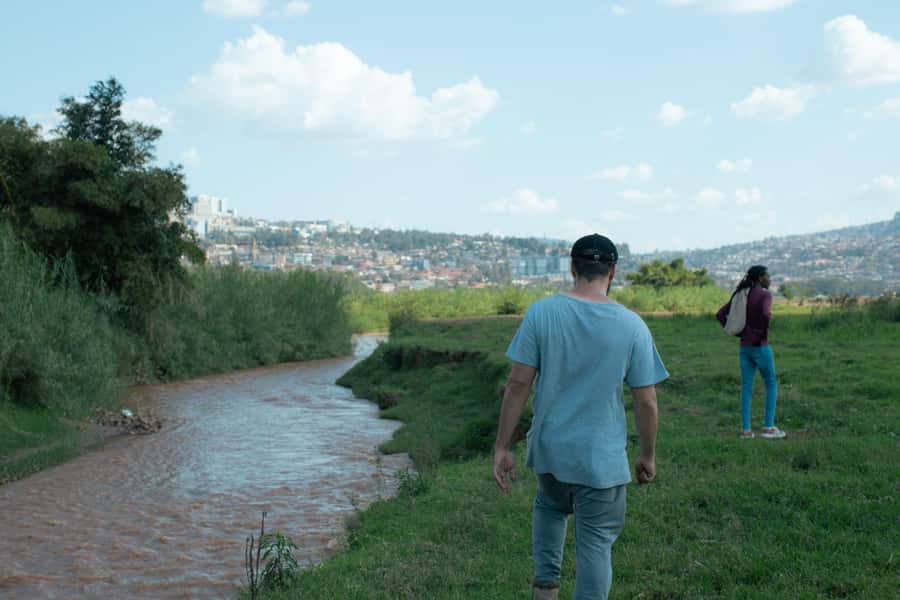
The walk begins near the Nyabugogo River, a waterway closely linked with the origin and growth of Gatsata. Your guide introduces the area through local history rather than treating the river as a quick photo stop.
One of the most important details shared along this first section concerns a field beside the river. The land once held homes. Those homes were destroyed during the Rwandan genocide, and the inhabitants were killed. Today, the same area is used for small crops, including beans, maize, and sweet potatoes.
That change gives the opening section real weight. You are not simply looking at a river and a patch of farmland. You are seeing how land can carry memory while still supporting ordinary life. I would approach this part with respect and patience. It may not be easy listening, but it helps explain why a walk through Gatsata involves more than scenery.
The guide’s role is especially important here. A good guide can explain the setting without turning painful history into a rushed speech. Shaffi’s local connection to Gatsata allowed him to point out places and share stories tied to the community. John was praised for adding information about plants, trees, people, and culture as the walk continued.
The amount of historical detail may vary. If you want a careful account of Gatsata’s past, ask questions as you go. The walk is built around storytelling, but the depth of that storytelling depends in part on the guide and on the conversation you create together.
Village paths and everyday Gatsata
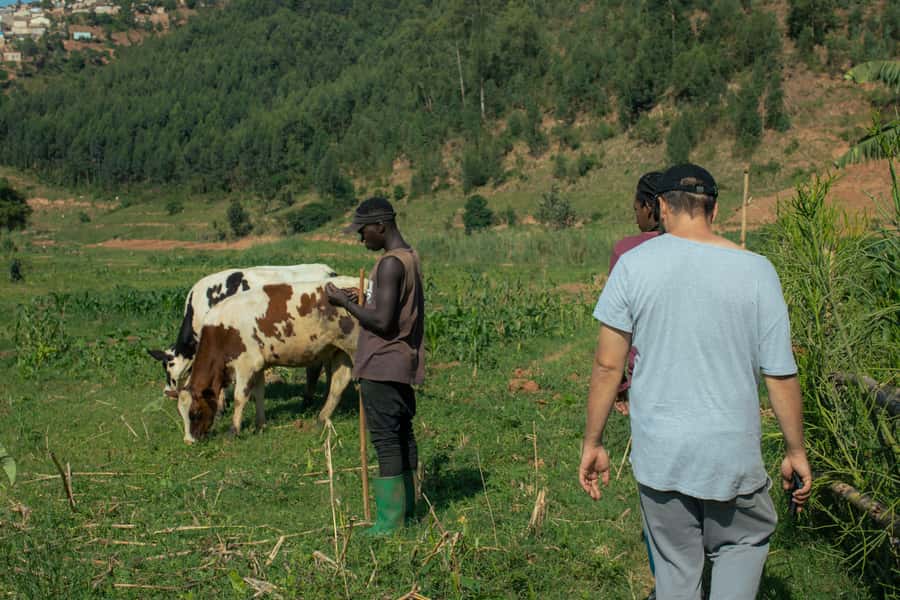
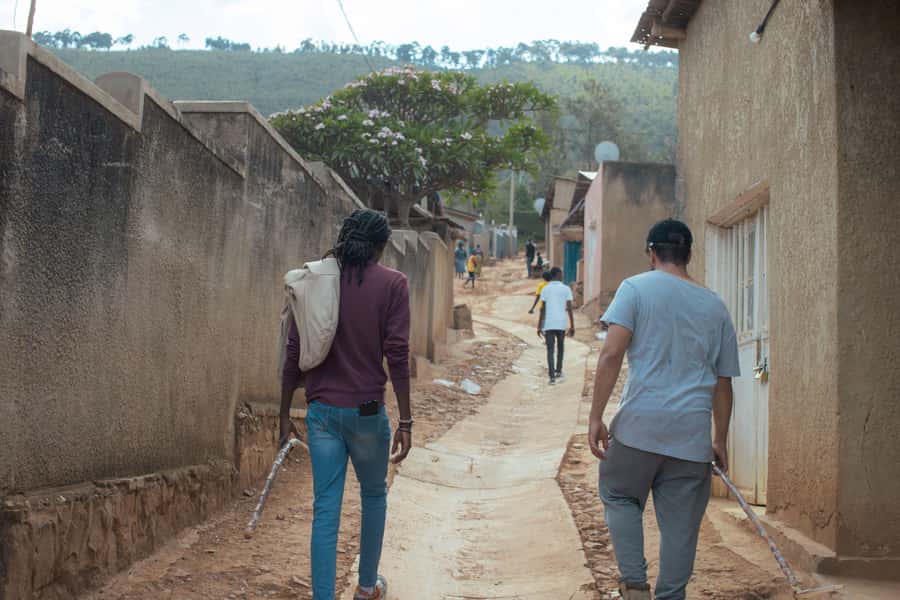
From the river, the route moves through village areas and toward Mount Jali. The walk is designed to show several types of ground, from the river area to cultivated fields, village paths, and the rising slopes.
This part is valuable because it shifts your attention from headline sights to the way the area functions. You may see crops growing in places that also carry painful memories. You may pass through safe village areas where the guide can explain how Gatsata fits into Rwanda’s development. The experience is less about collecting famous monuments and more about understanding a place through its setting.
I like that the route connects history with ordinary work. Beans, maize, and sweet potatoes are not decorative details. They show how the land is used now and give the story a present-day focus. Ask your guide about the plants and farming areas, especially if you are interested in local food, rural work, or the environmental side of the walk.
The route also offers chances to talk. Shadia and Latiff were praised for clear explanations about the area’s history and background, while Shaffi was described as easy to talk with. Those personal exchanges can make the experience feel less like a formal lecture and more like a guided conversation through a community.
Still, you should set your expectations correctly. The description promises local stories, traditions, and village life, but one account found the customs and community detail a little thin. If that is your main reason for booking, tell your guide early. Ask about local traditions, how the village has changed, and what role Gatsata has played in Rwanda’s development. You may get a fuller experience by being an active listener rather than waiting for every subject to be introduced.
Walking uphill toward Mount Jali
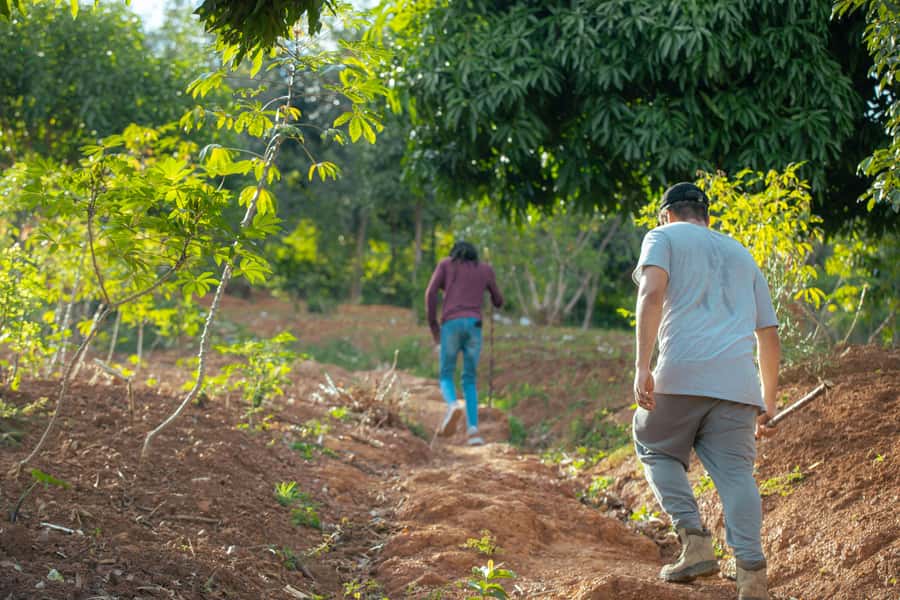
The route becomes more physical as you head toward Mount Jali. The walk includes uphill sections, so comfortable shoes are essential. This is not a flat city stroll, and the tour is not recommended for people with low fitness.
The good news is that the pace appears to leave room for conversation and observation. The walk was described as pleasant, and the guides were praised for being patient and friendly. John, in particular, was noted for keeping up a steady flow of information about nature and local life.
You should still prepare properly. Wear shoes with a secure sole, use sunscreen, bring a hat, and carry enough water for three hours. Choose clothing suited to the weather. Kigali’s conditions can change your comfort level quickly when you are walking uphill, even if the total distance is not specified.
The climb gives the tour a useful shape. You begin beside a river connected to settlement and memory, pass through village and agricultural areas, and then gain height above the city. That gradual change helps you read the area as a whole rather than seeing each stop as an isolated attraction.
The route includes natural interest as well. Mount Jali is presented as an area of plants, trees, and biodiversity. Do not expect a formal wildlife tour or a specialist botany lesson, since those details are not promised. But if you enjoy identifying plants and learning how local nature fits into daily life, this is a good subject to raise with the guide.
A completely different kind of day:
- Kigali City Tour
★ 5.0 · 452 reviews - Kigali: Walking Tour with a Local Guide
★ 4.9 · 234 reviews - One-day Akagera National Park Game Drive with a Choice 4×4
★ 5.0 · 105 reviews - Private Full-day Kigali City Tour with Pickup and Lunch
★ 5.0 · 79 reviews
Reaching the Mount Jali summit
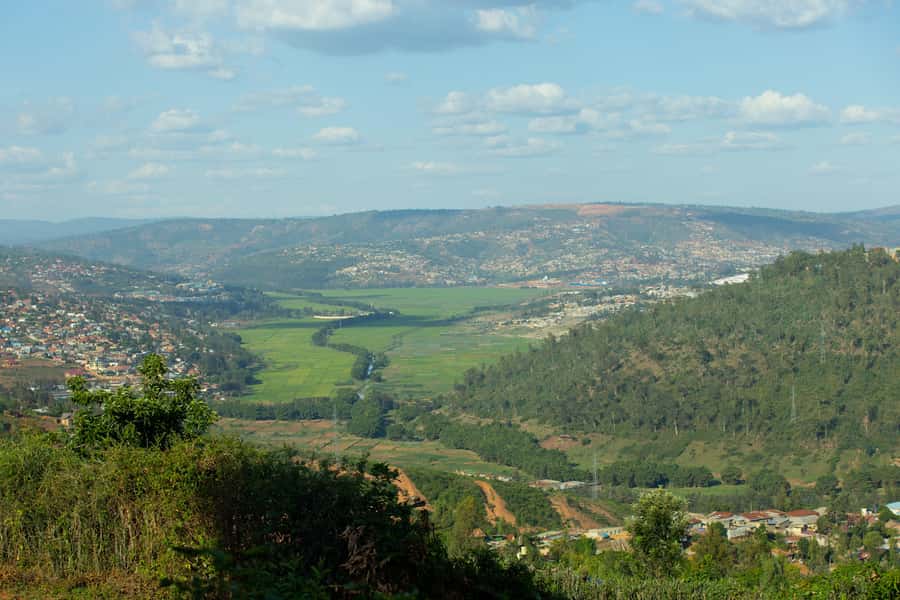
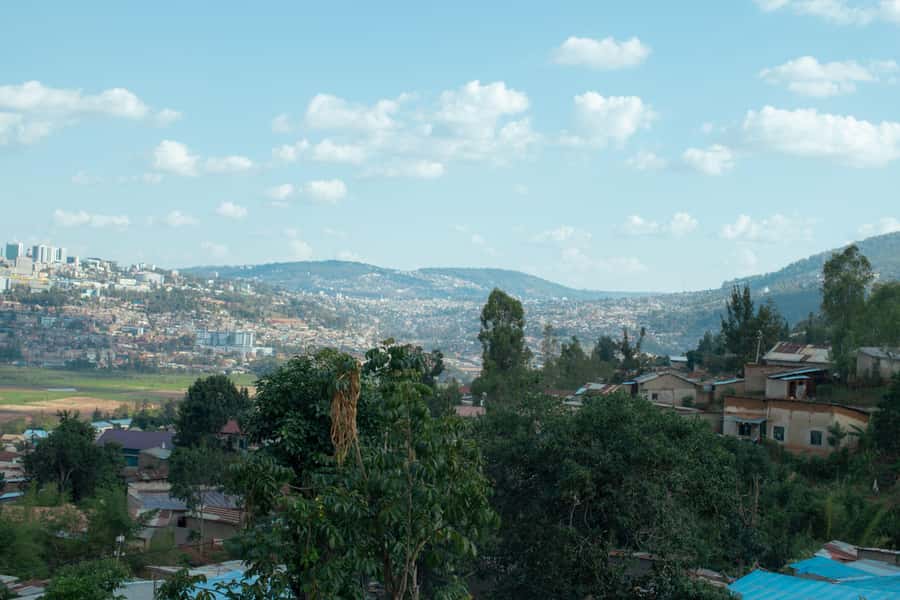
The summit section supplies the clearest reward for the climb: panoramic views of Kigali. From higher ground, you can take in the city in a way that is difficult to do from street level.
I find viewpoints most useful when they help explain what you have already walked through. Here, the view arrives after the river, fields, village paths, and uphill route. You can look back across the area and better understand how Gatsata relates to the wider city.
The summit is also a natural pause in the experience. Bring water and take your time with the view. The exact facilities at the top are not provided, so do not count on meals, refreshments, or a café. Food is not included, and personal expenses are your responsibility.
The scenery is one of the tour’s strongest features, but it should not be the only reason you book. If you want a quick viewpoint, Kigali offers simpler ways to get a view. The value here comes from earning the panorama on foot and connecting it with local history and village life.
What the guide can add to the walk
This experience rises or falls on the person leading it. The most positive accounts describe guides who are friendly, patient, clear, and personally connected with the area.
John was singled out for his enthusiasm and for explaining plants, trees, people, and culture. That kind of broad commentary suits this route because the walk joins several subjects rather than focusing on one museum-style story.
Shaffi was described as a local from Gatsata who could show interesting places and share local stories. He was also praised for being personable and easy to talk with. His presence appears to suit visitors who prefer conversation and a relaxed walking companion.
Shadia and Latiff were praised for clear explanations of the area’s history and background. Their route was also described as covering different types of ground and safe village areas, with good views along the way.
There is one useful reservation. The storytelling may not always go as far into customs and village life as you hope. The guide can explain the area, but you may need to ask direct questions to bring out more detail. I would ask about household life, local traditions, the village’s development, and how people use the land today.
That is not a reason to reject the tour. It is a reason to participate fully. The strongest version of this outing is likely to be a two-way exchange, with you asking thoughtful questions and the guide building on them.
Is $39 a fair price?
At $39 per person, this is not the cheapest way to spend three hours in Kigali. You are paying for a guide, access to a walking route that links several parts of Gatsata, historical and cultural explanation, and the Mount Jali views.
The price makes reasonable sense if you value a local guide and want a structured route. Planning the walk yourself would cost less, but you would miss the personal explanation of the river, the difficult history of the field, the village areas, and the plants along the way. You would also need to work out your own route to Mount Jali.
The value is weaker if you mainly want a mountain view or a fast nature walk. Transport, meals, and personal expenses are not included, and the group size is not specified. Add your transport costs before comparing this with other Kigali activities.
The tour also offers reserve now and pay later, plus free cancellation up to 24 hours before the start for a full refund. Those terms give you some flexibility when your Kigali plans are still moving.
Who should book this Gatsata walk?
I would recommend it most strongly to adults and older teenagers who enjoy walking with a local guide and listening to community stories. It suits you if you want to connect Kigali’s scenery with its past rather than simply move from one major attraction to another.
It is also a good match for people who enjoy mixed subjects. You can ask about the Nyabugogo River, farming, trees, local customs, Gatsata’s place in Rwanda’s development, and the city views from Mount Jali. Nature lovers and history-minded visitors can both find something useful here.
The route is not suitable for children under 14, and it is a poor fit if uphill walking is difficult for you. It is also not designed for strollers or baby carriages.
If you need a highly detailed account of village customs, ask about that before booking or make it clear at the start. The guide quality appears strong overall, but the depth of storytelling can vary.
Should you book the Mount Jali storytelling walk?
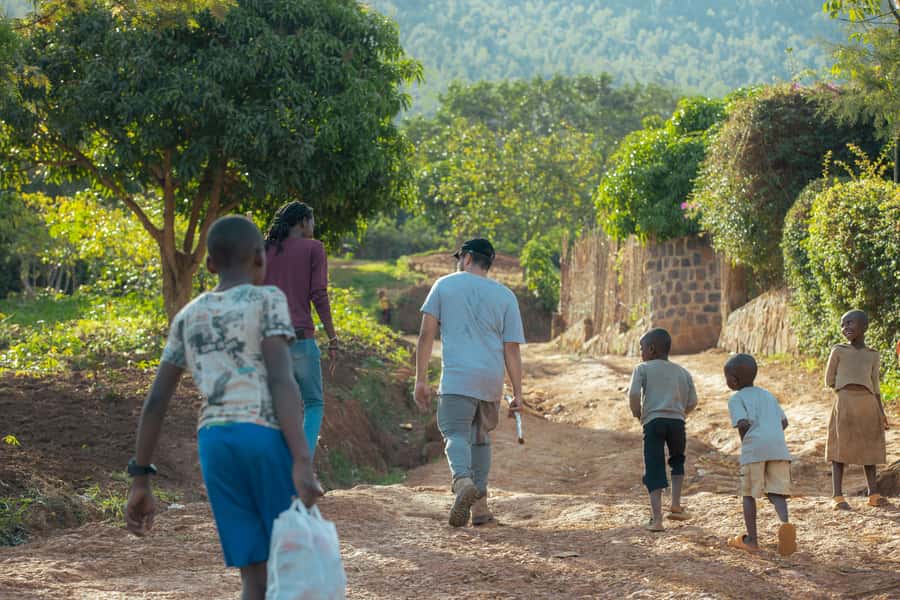
Book this tour if you want local context, a moderate hike, and a personal guide rather than a polished sightseeing circuit. The river opening, the history of the former homes, the cultivated fields, and the Kigali panorama give the outing a clear sense of place.
I would be more cautious if you want guaranteed specialist history, a very easy walk, or a full meal-and-transport package. For the best value, wear proper shoes, bring water, ask questions, and treat the guide as your key source of detail.
With a strong guide such as John, Shaffi, Shadia, or Latiff, the walk can become a thoughtful and memorable way to see Gatsata. Just remember that the climb and the conversation are both part of what you are buying.
FAQ
How long is the Gatsata Village walk?
The activity lasts three hours, including the guided walk from the Nyabugogo River toward Mount Jali.
Where is the meeting point?
You meet at Kigali Heights before moving to the activity site.
Is transportation included?
No. Transportation to and from the activity location is not included.
What language is the tour conducted in?
The live tour guide speaks English.
Is the walk physically difficult?
The tour involves moderate physical activity and includes walking uphill toward Mount Jali.
What should I bring?
Bring comfortable walking shoes, a hat, sunscreen, and water. Wear clothing suited to the weather.
Can children join the tour?
The experience is not suitable for children under 14 years old.
Are food and drinks included?
No. Meals and personal expenses are not included.
Can I cancel the booking?
You can cancel up to 24 hours in advance for a full refund. You can also reserve now and pay later.
More Walking Tours in Kigali
- Kigali Walking Tour
★ 4.5 · 78 reviews - Rwanda Half-Day Walking Food Tour
★ 5.0 · 35 reviews - 1 Day Canopy Walk Adventure in Nyungwe Forest National Park
★ 5.0 · 32 reviews - Kigali City Center Guided Walking Tour
★ 5.0 · 19 reviews
Just added in Kigali
- Gorilla Trekking Adventure – A Day trip (Only transfer)★ 5.0 · 2 reviews
- Rwanda One Day Gorilla Trekking with Iby’iwacu Culture Visit★ 5.0 · 2 reviews
- Traditional Drumming and Dancing Class★ 5.0 · 2 reviews
- One Day Mt Bisoke Hike Adventure in Volcanoes Park ( 2 Pax Min)★ 5.0 · 1 review
- From Kigali: 8 Hour Day-trip Lake Kivu Cruise Experience★ 4.5 · 3 reviews
- Bar Hopping Tour in Kigali Nightclubs★ 4.0 · 3 reviews
- Most Innovative Full-Day Kigali Yacu Experience★ 5.0 · 2 reviews
- Imigongo (cow dung art) Experience★ 5.0 · 1 review
Traditional Culture Experiences, compared.
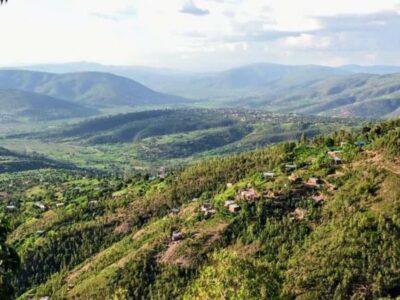
Mount Kigali and Cultural Village Tour with Snacks
Read our review →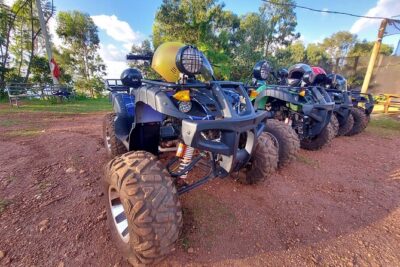
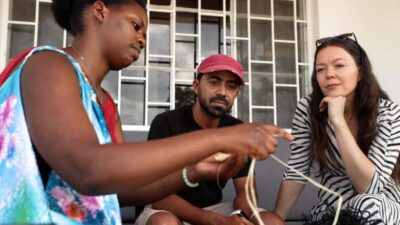

Guided Art, History, and Food Tour with Moto Ride
Read our review →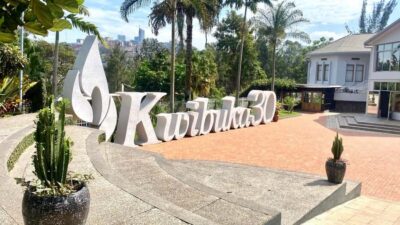
Kigali City Tour: History, Art and Local Highlights.
Read our review →

Browse the lists this tour appears in