
Reviewed · TRADITIONAL CULTURE EXPERIENCES
Kigali: Traditional Kubumba Pottery Making with Local Women
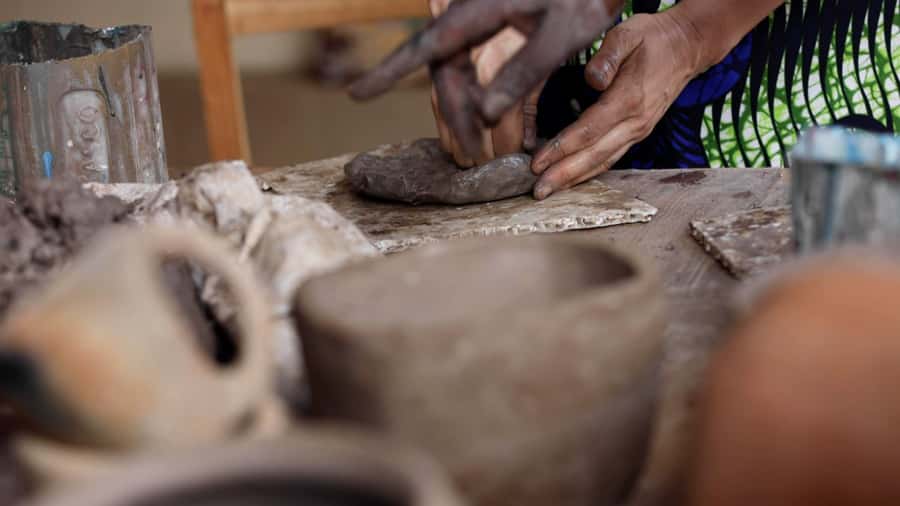
Clay makes a good Kigali memory. This one-hour Kubumba pottery session brings you close to Rwandan craft through hands-on work with local women linked to NuttinTODO. I like the patient, personal teaching and the chance to make something yourself rather than simply buy a souvenir. I also like that your $30 helps support local community work and sustainable tourism.
The main catch is practical: your pot may need about three days to harden. If you are leaving Kigali soon, you may have to depart without it. The experience is also only as strong as the communication on the day, so ask for clear cultural explanation at the start if that matters to you.
In This Review
- Key things to know before shaping the clay
- What Kubumba means in this Kigali experience
- The first minutes: meeting your local instructors
- Shaping clay with your own hands
- A coffee shop setting with art around you
- Is $30 fair for one hour?
- Who will enjoy this activity most?
- The teaching can make or break the hour
- Planning around drying time
- Booking details that affect your choice
- Should you book Kubumba Delight?
- FAQ
- Where does the Kubumba pottery activity take place?
- How long does the activity last?
- How much does it cost?
- What is included in the activity?
- Is transportation included?
- Are meals or refreshments included?
- What languages are available?
- Can children take part?
- Can I take my pottery home immediately?
- What is the cancellation policy?
Key things to know before shaping the clay
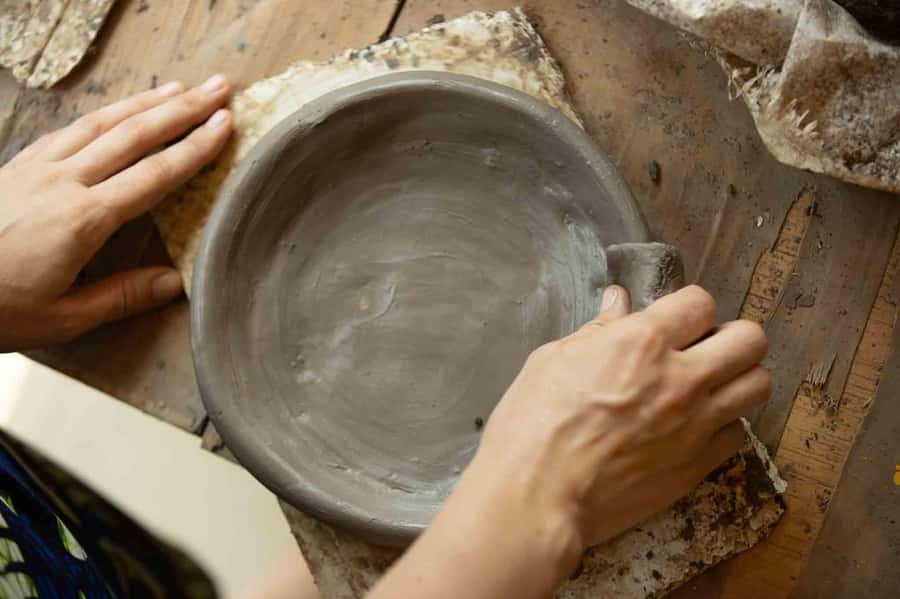
- Your hour is genuinely hands-on: You shape, mold, and decorate clay instead of watching a demonstration from the sidelines.
- Mariam and Gloria have earned special praise: Mariam is described as patient and kind, while Gloria adds warmth and energy to the visit.
- The pottery may not be ready immediately: Plan around a drying time of roughly three days, especially during rainy weather.
- The setting is more than a workroom: The activity takes place at a coffee shop with artwork on display, according to one family booking.
- Children can take part: An eight-year-old twin pair had a positive experience with careful guidance and room to work independently.
- English and Swahili are available: The stated instructor languages are English and Swahili, but the quality of explanation may vary on the day.
What Kubumba means in this Kigali experience
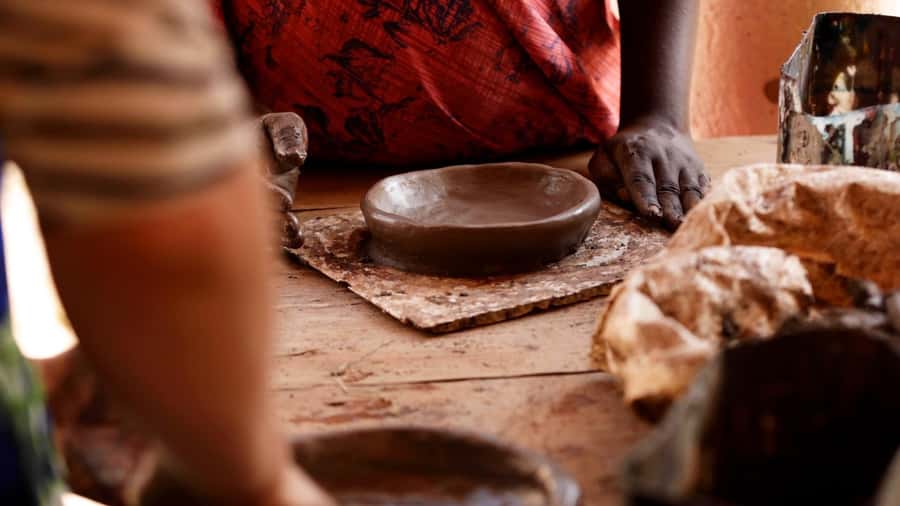
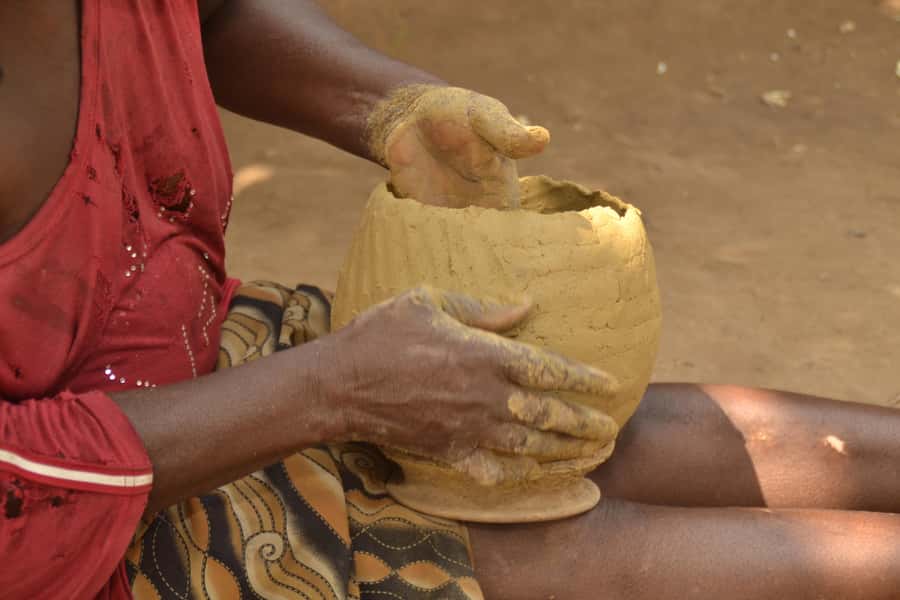
Kubumba refers to traditional pottery making, and this activity gives you a simple way to meet that craft through your own hands. The session begins with an introduction to the cultural importance of Kubumba, followed by practical instruction in shaping, molding, and decorating.
That order matters. Without context, pottery can become just a pleasant craft class. With even a short explanation of its place in Rwandan culture, the lump of clay in front of you has more meaning. I would listen closely at the beginning and ask questions while the material is still being explained.
The experience is designed around local artisans rather than a formal museum display. You work beside women who know the techniques and can guide you through the awkward early stage, when the clay may refuse to do what you want. That direct contact is the strongest cultural feature here.
Do not expect a long lecture or a full survey of Rwandan ceramics in one hour. The time is short, and the focus is on making one piece. If you want a broad history of pottery in Rwanda, this will feel limited. If you want a friendly introduction with clay under your fingernails, it makes good sense.
More cultural experiences in Kigali:
- Kigali: Mount Kigali and Cultural Village Tour with Snacks
★ 4.8 · 62 reviews - Kigali: Traditional Coffee Experience ( Bean to Brew)
★ 4.8 · 54 reviews - Kigali: Traditional Basket Weaving in a Garden
★ 4.8 · 41 reviews
The first minutes: meeting your local instructors
The session is led by local artisans associated with NuttinTODO. Mariam is specifically praised for her calm instruction, patience, and kindness. Gloria is remembered as warm and lively, adding a social touch to the morning.
Those personal qualities matter in a craft activity. Clay work can feel intimidating when you are trying it for the first time, particularly if you are hoping to make a keepsake rather than a shapeless bowl. A patient teacher lets you try the work yourself while stepping in before the clay collapses.
The best approach is to treat the instructor as a guide, not as someone who should make the piece for you. Ask her to show you the basic movement, then take over. One family found that this balance worked especially well for eight-year-old children: they received help when needed but still had space to create their own pieces.
English and Swahili are listed as the teaching languages. Communication appears to be good in some sessions, but one unhappy participant felt that too little was explained and that the translator was not engaged. I would politely confirm at the beginning that you want both the practical steps and the cultural background. That small request may help set the tone.
Shaping clay with your own hands
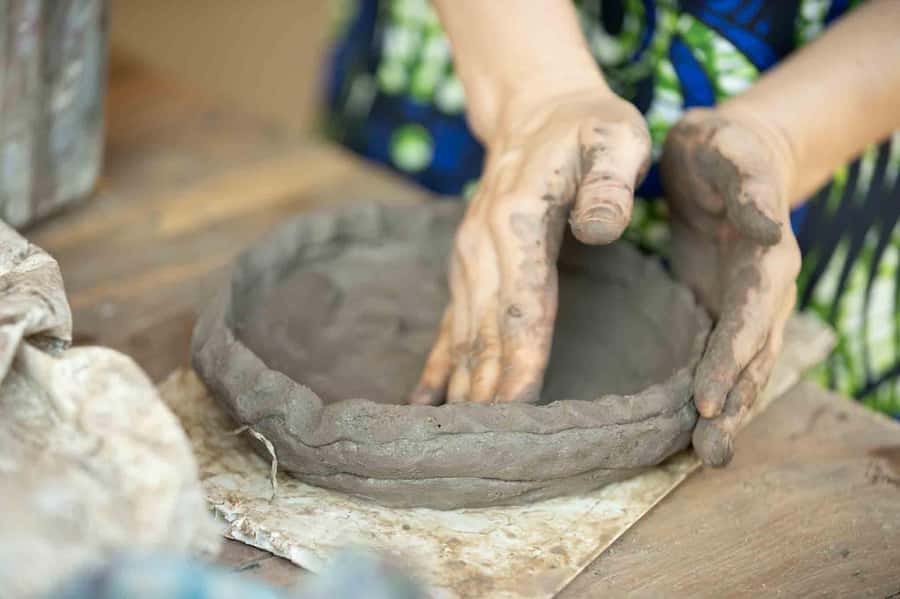
The central part of the hour is the making. You work with the provided materials and learn how to shape, mold, and decorate the clay. The aim is not factory-level perfection. It is to make a personal object while learning the feel of a traditional process.
I like this format because your souvenir carries evidence of your visit. The uneven rim, hand-shaped surface, or slightly lopsided form is not a flaw to hide. It shows that you made it yourself. A shop-bought pot can be beautiful, but it cannot give you the same memory of learning beside a local craftswoman.
The session is also a good reminder that pottery takes patience. Clay responds to pressure, moisture, and timing. Push too hard and the form changes; rush the decoration and the surface may lose its shape. Even within an hour, you get a small lesson in why handmade objects take skill.
Your final piece is described as a personalized pottery item to take home. Still, do not assume you will always leave with it in your bag. The drying period is an important part of the plan. One participant had to leave Kigali before the piece had hardened, and another noted that rainy-season conditions could make the wait longer.
Ask before you start:
- How long will this piece need to dry?
- Can it be collected later?
- If I leave Kigali, is there a way to receive it?
- Is the finished piece dried only, or treated in another way?
The supplied information does not confirm a collection or delivery service. For that reason, I would regard the pottery as a possible souvenir, not a guaranteed same-day item.
A coffee shop setting with art around you
The activity takes place at a coffee shop, according to a family account, rather than in a bare workshop. That adds a comfortable social setting and gives you something else to look at while you work. The same account mentions paintings by several artists and a pleasant gallery atmosphere.
A complimentary drink was also reported with that booking, up to 3,500 Rwandan francs. Since meals and refreshments are not generally listed as included, I would treat the drink as a detail to confirm when you book, not as a promise for every session.
The setting may suit you if you like activities with a little room to linger. You can make pottery, look at local artwork, and enjoy the surroundings without turning the visit into a formal cultural performance. It also helps family groups, since a coffee shop is an easier place for children than a strict studio environment.
At the same time, the coffee shop setting means this may not feel like a remote village craft encounter. The activity is in Kigali Province, and the supplied information does not identify the precise neighborhood or provide transport. You need to arrange your own way to the studio, and meals are not included.
A completely different kind of day:
- Kigali City Tour
★ 5.0 · 452 reviews - Kigali: Walking Tour with a Local Guide
★ 4.9 · 234 reviews - One-day Akagera National Park Game Drive with a Choice 4×4
★ 5.0 · 105 reviews - Private Full-day Kigali City Tour with Pickup and Lunch
★ 5.0 · 79 reviews
Is $30 fair for one hour?
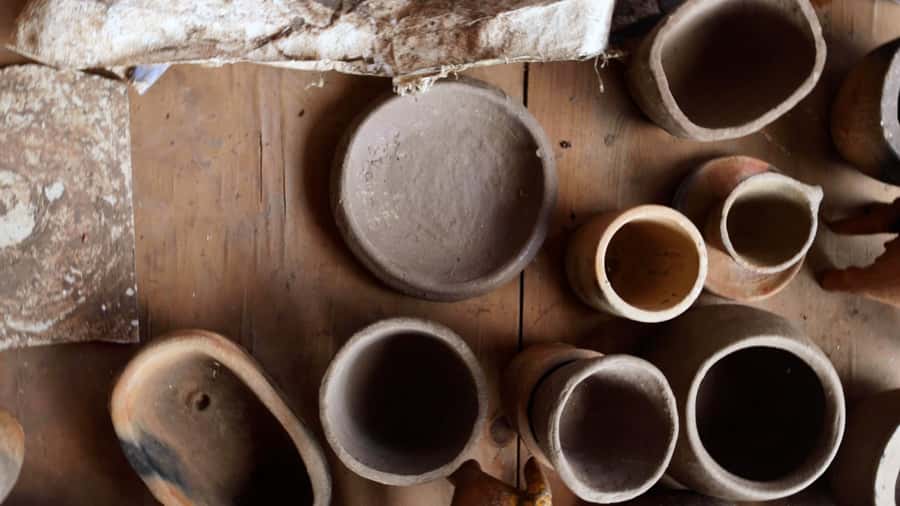
At $30 per person, this is not the cheapest way to spend an hour in Kigali. The value comes from several parts packed into the price: instruction, clay and other materials, cultural explanation, a handmade piece, and a contribution to local initiatives.
If you only want a finished pot, buying one may be faster and possibly cheaper. If you want the story behind the object and the satisfaction of making it, the price is easier to justify. You are paying for time with an artisan, not just raw materials.
I also see value in the direct community connection. The experience is presented as supporting NuttinTODO and local development through Go Rwanda Now. That gives your booking a purpose beyond entertainment, though the supplied details do not specify the exact amount directed to each project.
The one-hour length helps keep the activity easy to fit into a Kigali itinerary. It does limit how much you can learn and how elaborate your piece can become. Think of it as a focused introduction, not a full pottery course.
Who will enjoy this activity most?
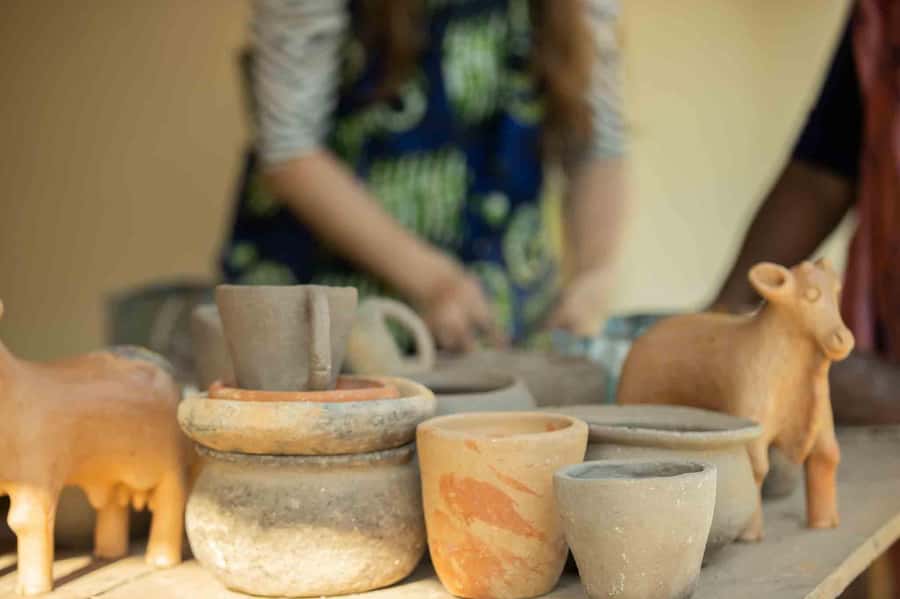
I would recommend Kubumba Delight to several kinds of visitors:
- Families with children: The careful support given to eight-year-old twins shows that younger makers can take part successfully.
- Couples and friends: The activity creates an easy shared task, with plenty of room for conversation and a joint memory.
- Visitors who value local craft: You work directly with Rwandan artisans and learn a traditional technique.
- Short-stay visitors: The one-hour session fits neatly into a busy Kigali schedule.
- People seeking a personal souvenir: Your piece will be individual, even if it is not perfectly shaped.
I would hesitate if you need a finished souvenir that same afternoon. I would also think twice if you want a detailed cultural lecture, a long studio visit, or a guaranteed polished final product. This is a friendly introduction to pottery, not an advanced class.
The teaching can make or break the hour
The strongest accounts give the instructors high marks. Mariam is praised for teaching clearly and patiently, and the family session with the twins sounds especially well handled. Another participant found the teacher helpful and kind and enjoyed discovering the place.
But there is a real warning in the less positive experience. One person felt that little was explained about Rwandan pottery and found the translator distracted during the hour. That is not a minor issue, because cultural explanation is one of the reasons to choose this activity instead of an ordinary craft class.
I would protect your experience by asking direct questions:
- What makes Kubumba traditional in Rwanda?
- Which part of the technique should I pay closest attention to?
- Is my piece meant to be a pot, cup, bowl, or decorative object?
- How should I care for it while it dries?
The instructor may already cover these points. Asking gives you a better chance of getting the cultural detail you came for and helps avoid spending the hour in silence.
Planning around drying time
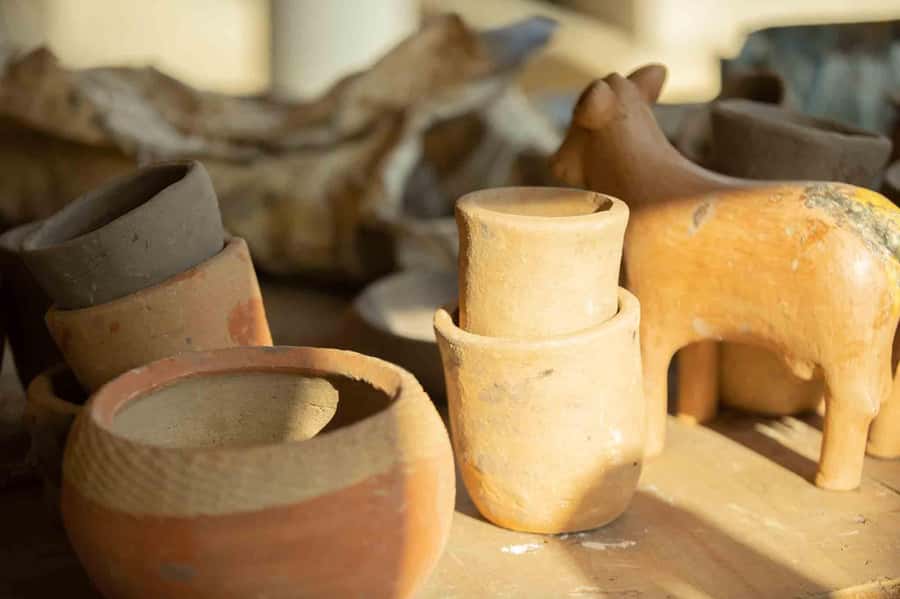
The drying issue deserves more attention than the short duration suggests. Your creative work may be complete in an hour, but the object itself may not be ready to carry away.
A three-day hardening period was specifically noted, and rainy-season humidity can extend the wait. This is particularly important if you are passing through Kigali on a tight schedule or flying out the next morning.
I would book this early in your stay if collecting the pottery matters to you. That leaves time for it to harden before departure. If you are visiting at the end of your trip, ask about the options before paying. The available information does not confirm mailing, delivery, or later collection.
You should also accept that handmade pottery can look modest. Your piece may be charming, but it may not resemble the neat examples you see in a gallery. That is part of the deal. The value is in the process and the connection, not in producing professional ceramics after one hour.
Booking details that affect your choice
The listed price is $30 per person, and the activity lasts one hour. You need to arrange transportation to and from the pottery studio, and food and refreshments are not part of the stated package.
The booking terms are useful for a flexible Kigali plan. You can cancel up to 24 hours before the activity for a full refund, and you can reserve now while paying later. Starting times depend on availability, so check the schedule before building the rest of your day around it.
The overall score is 4.6 from 12 ratings, with especially strong praise for the instructors, hands-on format, friendly atmosphere, and suitability for children. The lower experiences point to two practical risks: uneven explanation and pottery that is not ready before departure.
That is a fair pattern for a small, people-led activity. The human element is its strength, but it also means the hour may depend heavily on who is teaching and how well communication works that day.
Should you book Kubumba Delight?
I would book this activity if you want a short, creative encounter with Kigali artisans and you have enough time to deal with the drying period. The patient teaching from Mariam, the warm presence of Gloria, and the chance to make your own souvenir give the session real appeal.
I would not book it as a guaranteed same-day shopping stop. I would also ask for clear instruction in English or Swahili at the beginning, especially if learning about Rwandan pottery matters as much as making it.
For families, couples, and craft-minded visitors, $30 is reasonable because it covers materials, guidance, cultural context, and community support. Book early enough to collect the pottery later, confirm the drying arrangements, and arrive ready to make something imperfect. That is where the fun is.
FAQ
Where does the Kubumba pottery activity take place?
It takes place in Kigali Province, Rwanda, at a pottery studio. A booking account describes the setting as a coffee shop with artwork and a gallery area.
How long does the activity last?
The pottery session lasts one hour.
How much does it cost?
The listed price is $30 per person.
What is included in the activity?
The price includes a guided Kubumba pottery session, materials, cultural information about Kubumba, and a personalized pottery piece. It also supports community development through the stated local initiatives.
Is transportation included?
No. You need to arrange transportation to and from the pottery studio.
Are meals or refreshments included?
Meals and refreshments are not listed as included. One family booking reported a complimentary drink at the coffee shop, valued up to 3,500 Rwandan francs, so confirm this detail when booking.
What languages are available?
The listed instructor languages are English and Swahili.
Can children take part?
Yes. An eight-year-old pair took part successfully with patient guidance and support.
Can I take my pottery home immediately?
Not always. The pottery may need about three days to harden, and rainy weather can make the process take longer.
What is the cancellation policy?
You can cancel up to 24 hours in advance for a full refund. The activity also offers a reserve-now, pay-later option.
Just added in Kigali
- Gorilla Trekking Adventure – A Day trip (Only transfer)★ 5.0 · 2 reviews
- Rwanda One Day Gorilla Trekking with Iby’iwacu Culture Visit★ 5.0 · 2 reviews
- Traditional Drumming and Dancing Class★ 5.0 · 2 reviews
- One Day Mt Bisoke Hike Adventure in Volcanoes Park ( 2 Pax Min)★ 5.0 · 1 review
- From Kigali: 8 Hour Day-trip Lake Kivu Cruise Experience★ 4.5 · 3 reviews
- Most Innovative Full-Day Kigali Yacu Experience★ 5.0 · 2 reviews
- Bar Hopping Tour in Kigali Nightclubs★ 4.0 · 3 reviews
- Imigongo (cow dung art) Experience★ 5.0 · 1 review
Traditional Culture Experiences, compared.

Mount Kigali and Cultural Village Tour with Snacks
Read our review →

Guided Art, History, and Food Tour with Moto Ride
Read our review →
Kigali City Tour: History, Art and Local Highlights.
Read our review →
Browse the lists this tour appears in