
Reviewed · TRADITIONAL CULTURE EXPERIENCES
Kigali: Traditional Knitting Experience
Small stitches, real local character. This two-hour Kigali workshop introduces you to knitting through Rwandan-inspired design, with a practical project you can take home. I like the hands-on format, and I like that the lesson moves beyond a one-off souvenir toward useful skills for cushion covers, blankets, hats, and other home items.
The $27 price includes yarn, needles, patterns, instruction, personal help, and tea, coffee, or juice. That is fair value for a guided creative session. The main consideration is that timing information is not perfectly consistent: the activity is advertised as two hours, while another note describes about one hour with refreshment breaks.
In This Review
- Key details before you book
- What this Kigali knitting workshop is really about
- Starting with yarn, needles, and simple patterns
- Making a decorative cup holder in Kigali
- Moving from cup holders to cushion covers
- How the instructor shapes the experience
- Tea, coffee, or juice during the session
- Is $27 a fair price?
- Who will enjoy this experience most?
- Clothing, comfort, and what to bring
- The relaxed pace and the limits of a short workshop
- Should you book the Kigali Traditional Knitting Experience?
- FAQ
- How long does the knitting workshop last?
- How much does the experience cost?
- Do I need previous knitting experience?
- What will I make during the session?
- Are knitting materials provided?
- What languages does the instructor speak?
- Is a drink included?
- Can I cancel the booking?
Key details before you book
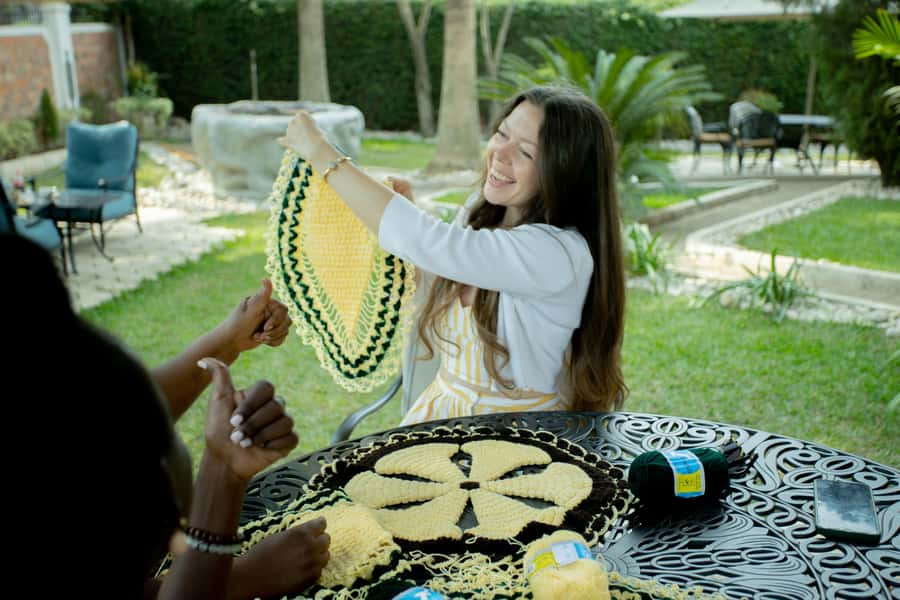
- Make a Rwandan-inspired cup holder: The main project is a decorative holder for coffee, tea, or juice, giving beginners a manageable item to finish.
- Learn skills for larger work: The same basic methods can support future projects such as cushion covers, wall hangings, blankets, and hats.
- All core materials are supplied: Yarn, needles, and patterns are included, so you can arrive without a craft bag.
- Instruction is available in three languages: You can receive help in English, French, or Kinyarwanda.
- Plan to sit comfortably: Bring comfortable clothing because the workshop involves sitting for an extended period.
- Keep your plans flexible: You can cancel up to 24 hours ahead for a full refund, and reserve now while paying later.
What this Kigali knitting workshop is really about
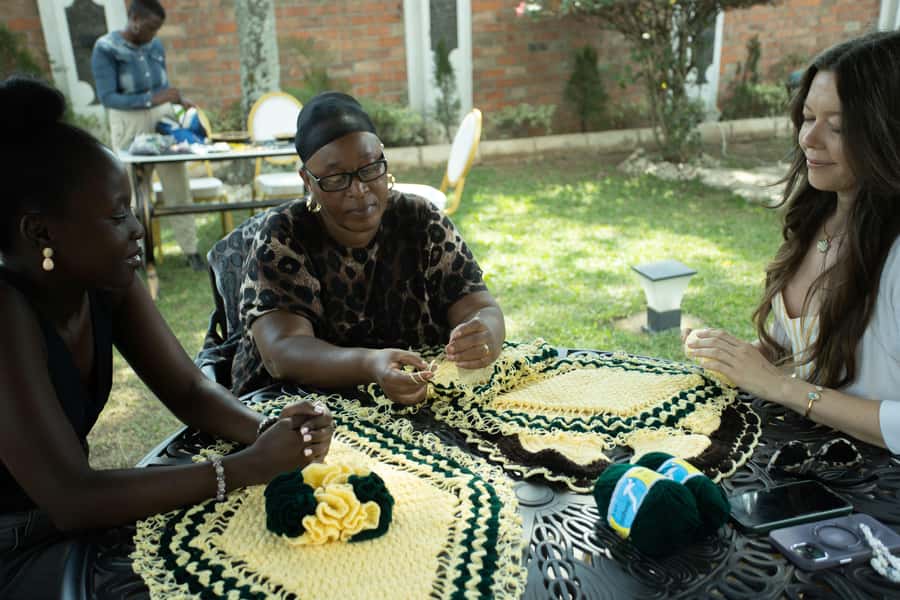
This is not a sightseeing tour with a quick craft demonstration added at the end. It is a sit-down, hands-on workshop built around learning by doing. You pick up the needles, handle the yarn, follow a pattern, and receive help as the work takes shape.
For a first-time knitter, that approach matters. Knitting can look simple when someone else is doing it. Once you try, the loops and needle movements can feel oddly slippery. A patient instructor can save you from spending half the session undoing one stubborn mistake.
The African design influence gives the activity its local character. You are not simply making a generic craft item. The workshop focuses on decorative objects for daily use, including cup holders and living room pieces, with Rwandan-inspired patterns and styling.
I would think of this as a gentle introduction rather than a complete knitting course. In two hours, you can learn the foundation and begin or complete a small item. You should not expect to leave ready to produce a large blanket without more practice.
More cultural experiences in Kigali:
- Kigali: Mount Kigali and Cultural Village Tour with Snacks
★ 4.8 · 62 reviews - Kigali: Traditional Coffee Experience ( Bean to Brew)
★ 4.8 · 54 reviews - Kigali: Traditional Basket Weaving in a Garden
★ 4.8 · 41 reviews
Starting with yarn, needles, and simple patterns
The session includes the basic materials you need: yarn, needles, and patterns. That makes the experience easy to join, especially if knitting is not part of your normal travel routine.
You may bring your own yarn or needles if you have strong preferences, but you do not need to. This is useful for beginners who do not yet know what type of yarn or needle feels right. You can simply arrive, sit down, and start with the supplies provided.
The opening lesson should focus on the basic movements and how to follow the pattern. Since the workshop is designed for beginners, expect the instructor to explain the process step by step rather than assume you already know knitting terms.
I like the practical scale of the lesson. A large item would be too ambitious for a short session. A small cup holder gives you a clear goal and lets you see the pattern forming without committing to many hours of work.
Making a decorative cup holder in Kigali
The main project is a decorative holder for coffee, tea, or juice. It is a smart choice for this type of workshop because it is small, useful, and connected to the refreshment break included in the session.
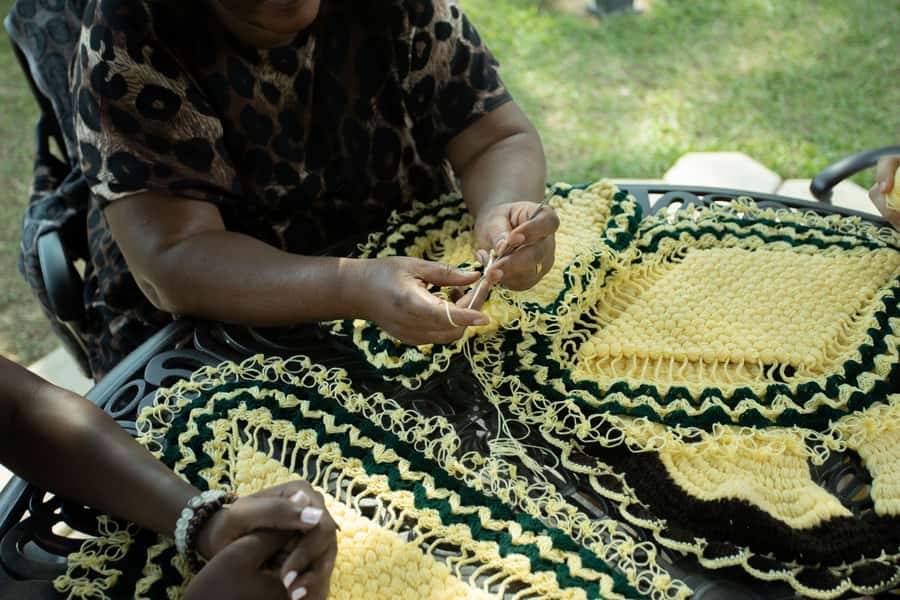
You can expect to work with the yarn and pattern while the instructor checks your technique. The goal is not only to copy movements, but to understand how those movements can be repeated. That is the part that makes the activity useful after you leave Kigali.
A handmade cup holder also makes a more personal keepsake than a factory-made souvenir. It is modest, but it records your time at the workshop. You can use it at home, keep it with your travel mementos, or give it to someone who appreciates handmade work.
The finished result may depend on your speed and experience. A complete beginner might need much of the session to learn the basics, while someone who already knits could move more quickly. The activity is best judged by what you learn, not only by whether your piece looks perfect.
Moving from cup holders to cushion covers
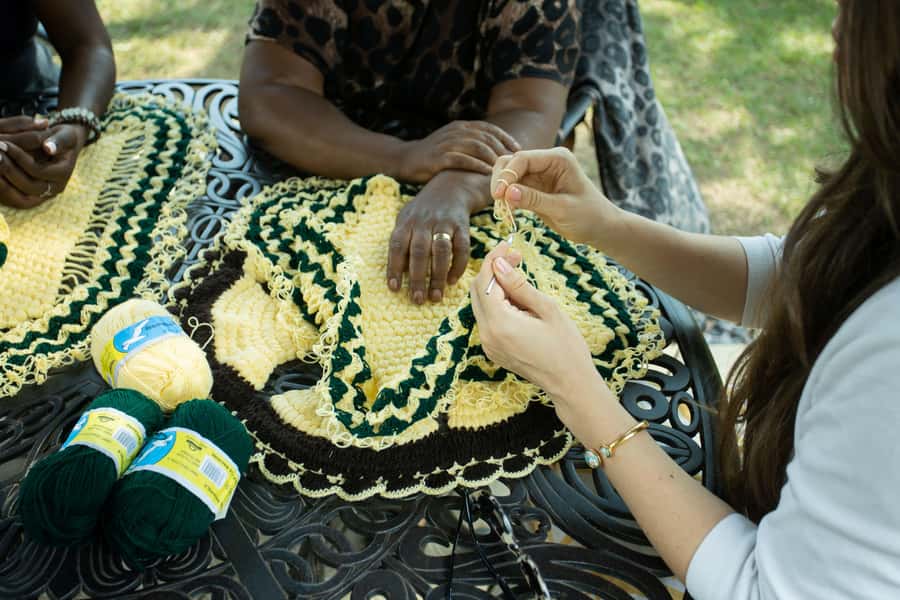
The workshop also shows how basic knitting skills can be applied to home decoration. Cushion covers and wall hangings are mentioned as examples, giving you a sense of how a small exercise can grow into a larger project.
This is where the activity gains extra value. You are not only learning a small souvenir craft. You are being shown a possible path toward making practical items for your living room.
A cushion cover requires more planning than a cup holder. You need to consider size, shape, pattern repetition, and how the finished piece will fit around a cushion. The workshop may not take you through an entire cover from start to finish, but it can help you understand the basic technique and design direction.
The same applies to wall decorations. The African-style design influence may appeal to you if you want handmade pieces with a clear regional connection rather than plain, mass-produced decor.
A completely different kind of day:
- Kigali City Tour
★ 5.0 · 452 reviews - Kigali: Walking Tour with a Local Guide
★ 4.9 · 234 reviews - One-day Akagera National Park Game Drive with a Choice 4×4
★ 5.0 · 105 reviews - Private Full-day Kigali City Tour with Pickup and Lunch
★ 5.0 · 79 reviews
How the instructor shapes the experience
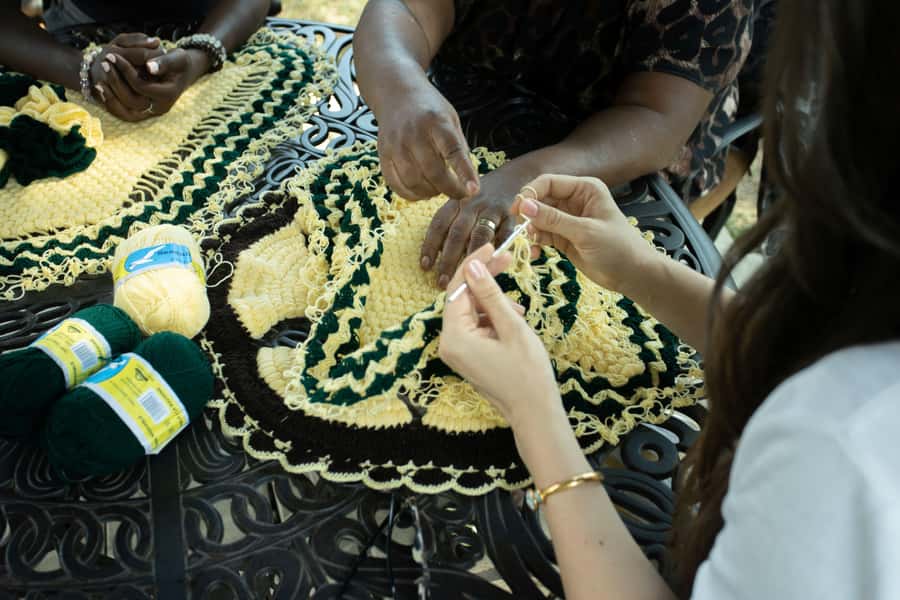
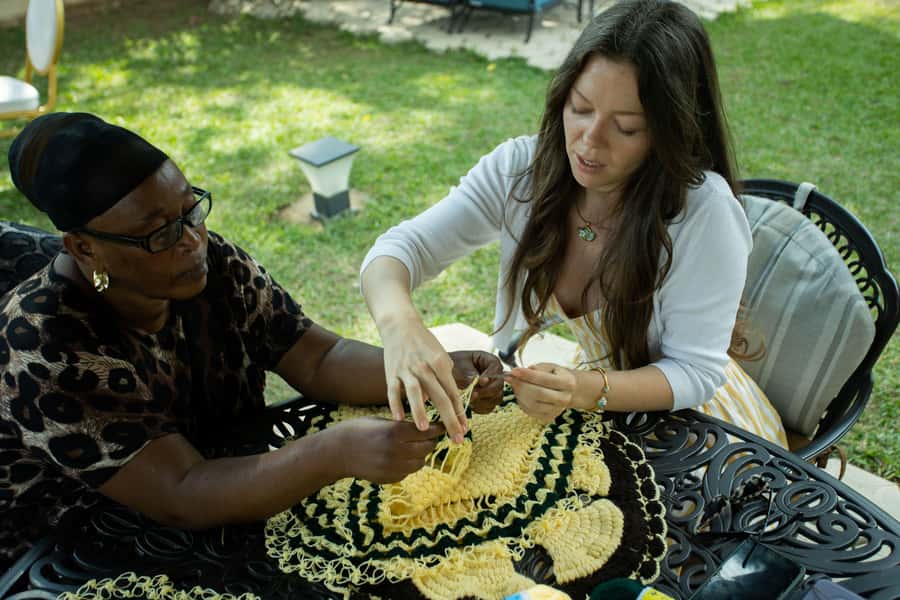
Personal assistance is included, and that is important here. Beginners often need help with small corrections, such as keeping the tension even or understanding where the needle should go next. A teacher who watches your hands can explain the issue much faster than a written guide.
The instructor can also adjust the pace. You might need repeated demonstrations, while another person in the same session may be ready to move on. The supplied information describes the atmosphere as relaxed and creative, which suits a craft lesson better than a rushed, production-line format.
Instruction is offered in English, French, and Kinyarwanda. That gives you a useful choice, especially if you are more comfortable asking detailed questions in French or Kinyarwanda rather than English.
There is one practical point to keep in mind. A previous session faced a last-minute teacher problem and changed to another type of handcraft. The substitute lesson was still described as patient and creative, but you should understand that a teacher issue could affect the exact activity on the day.
Tea, coffee, or juice during the session
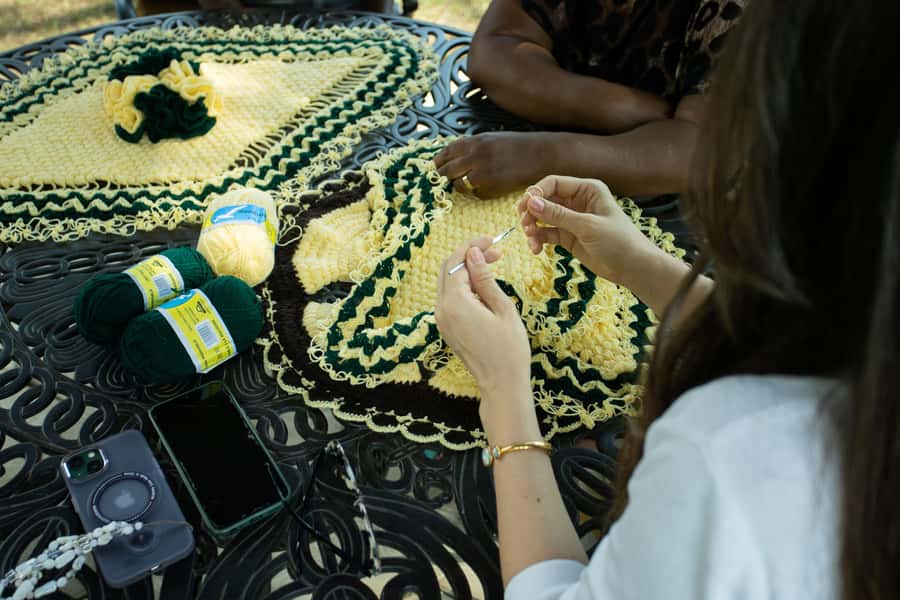
Your booking includes tea, coffee, or juice. This is a small feature, but it fits the pace of the experience. Knitting requires sitting, concentrating, and taking short pauses, so a drink gives you a natural break.
Do not treat this as a meal or a snack stop. Food beyond the provided beverage is not included. If you need more than a drink during the session, plan for that separately.
The refreshment also connects neatly with the cup holder project. You may be making a holder for the same kind of drink you enjoy during the workshop. That gives the craft a practical, everyday purpose.
The timing notes need a little care. The main description gives a two-hour duration, while the additional information says the session lasts approximately one hour with breaks for refreshments. I would allow two hours in your Kigali plans and confirm the start time when booking.
Is $27 a fair price?
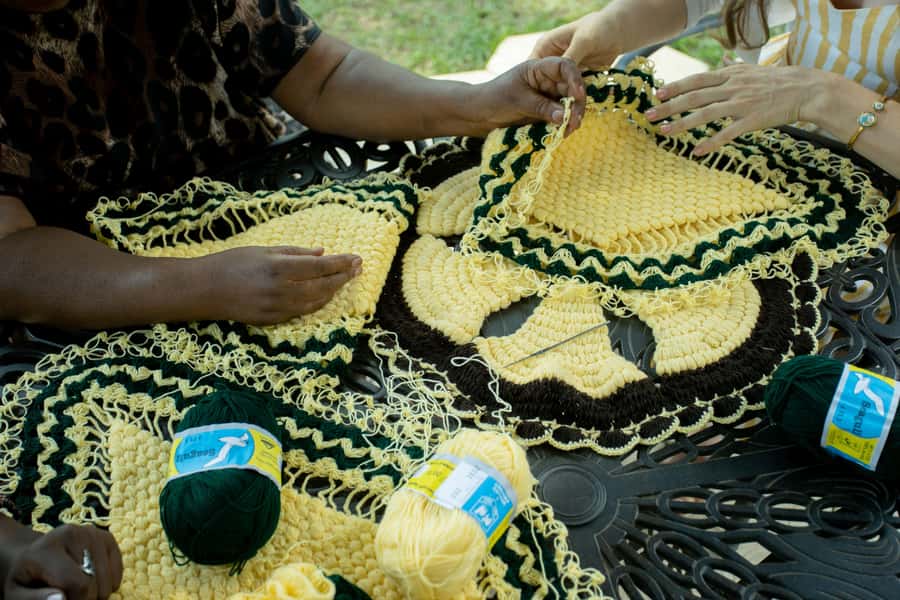
At $27 per person, the price is reasonable if you want instruction rather than simply a craft kit. You are paying for the materials, a pattern, help during the work, and a drink, along with the chance to learn a skill you can continue at home.
The value depends on your interest. If you want a fast, highly finished souvenir, this may feel slow. Knitting takes time, and the point is the process. If you enjoy making things or want a calm break from sightseeing, the price makes more sense.
You also avoid the cost and effort of buying suitable yarn, needles, and instructions yourself. For a beginner, that removes a fair amount of guesswork. You can test whether knitting suits you before buying supplies for a larger project.
The experience is especially good value for someone who plans to keep crafting after the trip. The cup holder is the immediate result, but the bigger benefit is learning enough to continue with hats, blankets, cushion covers, or other pieces.
Who will enjoy this experience most?
I would recommend this workshop to several kinds of visitors:
- First-time knitters who want patient guidance
- Craft lovers looking for a quiet Kigali activity
- Couples or friends who enjoy making something together
- Visitors interested in Rwandan-inspired home design
- People who want a small handmade souvenir
- Anyone curious about starting a larger knitting project
It can also suit families or mixed groups if everyone is comfortable sitting and concentrating, though no specific minimum age is provided. You should not book it expecting a fast-paced activity or a tour of Kigali.
If you already knit regularly, you may find the basic instruction easy. Still, the African-style design ideas and local setting can give you fresh inspiration. Your own needles or yarn may be useful if you prefer particular materials.
Clothing, comfort, and what to bring
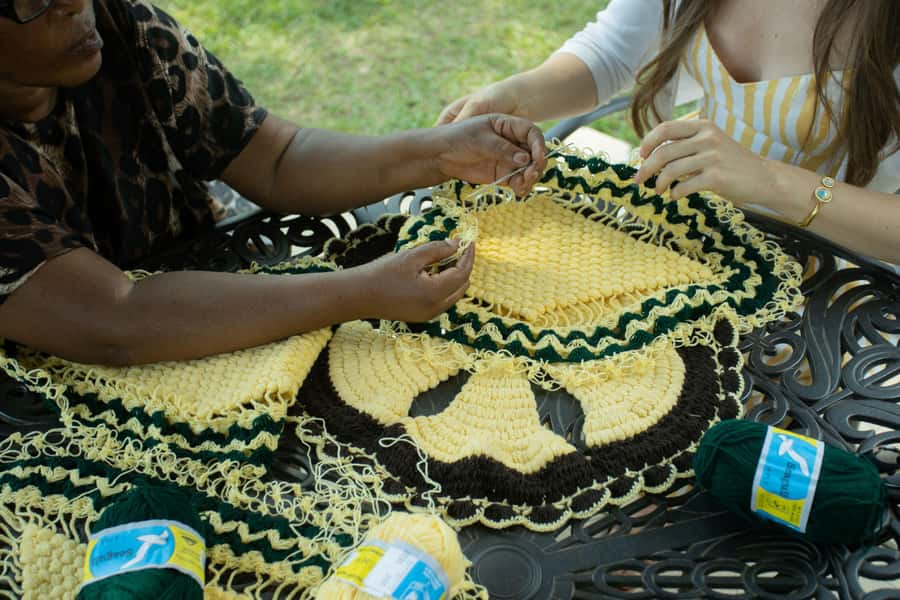
The only required item is comfortable clothing. That advice is worth taking seriously because you will be seated for much of the session.
Wear something that lets you relax without constantly adjusting sleeves or fabric around your hands. You do not need special craft clothing, and all necessary materials are provided.
You can bring your own yarn or needles if you have preferences. This is optional, not a requirement. For a first visit, I would use the supplied materials and save personal equipment for a future project once you know what you like.
Transportation to the venue is not included. You need to arrange your own way there, and the exact starting time should be checked when you select a date. Meals and personal expenses are also separate.
The relaxed pace and the limits of a short workshop
The strongest feature here is the patient, creative pace. A craft class gives you time to focus on one small task instead of racing between sights. In Kigali, that can be a welcome change from a packed day of museums, memorials, markets, and city walks.
Still, two hours has limits. You can learn the basics and work on a cup holder, but you will need more practice for complex patterns or large household items. The workshop should be seen as a foundation, not a full qualification in knitting.
The session may also feel different depending on the teacher and the group. Personal assistance is included, but the amount of one-on-one help can vary when several people need support at once. A relaxed attitude will serve you better than a demand for a flawless finished piece.
The experience has a perfect five-star rating from one verified booking, but that is a very small sample. I would take the positive sign seriously, especially the praise for patience and the creative two-hour format, while remembering that one rating cannot predict every session.
Should you book the Kigali Traditional Knitting Experience?
Book it if you want a calm, practical Kigali activity and like the idea of making a small item with local design influence. The cup holder gives beginners a clear target, while the lessons can lead to future projects such as cushion covers, blankets, hats, and wall hangings.
I would be less likely to choose it if you have only a short window in Kigali, dislike seated activities, or want a finished product made entirely by an expert. Confirm the duration and starting time before arranging your day, since the supplied timing notes differ.
For $27, the workshop offers more than materials. You get a guided introduction, personal help, a drink, and a handmade reminder of your time in Rwanda. That is a good choice for a creative traveler who prefers taking home a new skill along with a small souvenir.
FAQ
How long does the knitting workshop last?
The activity is listed as lasting two hours. Another note describes approximately one hour with breaks for refreshments, so confirm the exact timing and allow two hours when planning your day.
How much does the experience cost?
The price is $27 per person.
Do I need previous knitting experience?
No. The workshop is designed for beginners, and no prior knitting experience is needed.
What will I make during the session?
You will work on a decorative cup holder for coffee, tea, or juice. The workshop also introduces techniques that can be used for cushion covers and other living room decorations.
Are knitting materials provided?
Yes. Yarn, needles, and patterns are included. You may also bring your own yarn or needles if you have personal preferences.
What languages does the instructor speak?
Instruction is available in English, French, and Kinyarwanda.
Is a drink included?
Yes. Tea, coffee, or juice is included during the session. Meals and snacks beyond the provided beverage are not included.
Can I cancel the booking?
Yes. You can cancel up to 24 hours in advance for a full refund. The experience also offers a reserve-now-and-pay-later option.
Just added in Kigali
- Gorilla Trekking Adventure – A Day trip (Only transfer)★ 5.0 · 2 reviews
- Rwanda One Day Gorilla Trekking with Iby’iwacu Culture Visit★ 5.0 · 2 reviews
- Traditional Drumming and Dancing Class★ 5.0 · 2 reviews
- One Day Mt Bisoke Hike Adventure in Volcanoes Park ( 2 Pax Min)★ 5.0 · 1 review
- From Kigali: 8 Hour Day-trip Lake Kivu Cruise Experience★ 4.5 · 3 reviews
- Bar Hopping Tour in Kigali Nightclubs★ 4.0 · 3 reviews
- Most Innovative Full-Day Kigali Yacu Experience★ 5.0 · 2 reviews
- Kigali City Tour and Sightseeing★ 5.0 · 3 reviews
Traditional Culture Experiences, compared.

Mount Kigali and Cultural Village Tour with Snacks
Read our review →

Guided Art, History, and Food Tour with Moto Ride
Read our review →
Kigali City Tour: History, Art and Local Highlights.
Read our review →
Browse the lists this tour appears in