
Reviewed · TRADITIONAL CULTURE EXPERIENCES
Kigali: Learn the Amaraba Dance Experience in Kigali
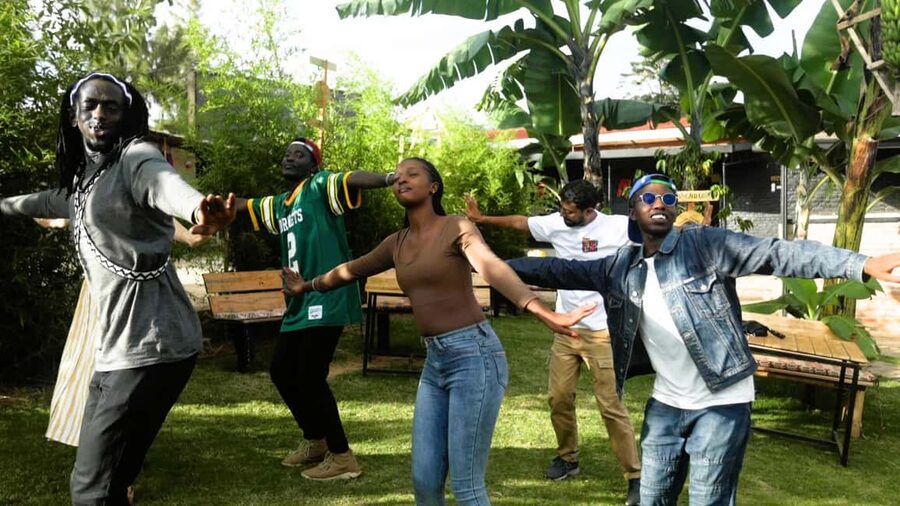
The first drumbeat changes the room. Kigali’s Amaraba dance experience gives you a direct way to meet Rwandan culture: you learn the steps from local dancers, follow the drum rhythm, and take part instead of sitting quietly in a chair. I like the friendly, welcoming teaching style and the chance to hear what the movements mean, not simply copy them. I also like the compact one-hour format, which fits neatly into a busy Kigali day.
The main thing to consider is physical effort. You spend most of the session standing and moving, and the drumming may feel intense for very young children or anyone who tires easily. Transportation, food, and drinks are not included, so you will need to arrange your own way to the venue and plan any meal separately.
In This Review
- Key points before you book
- What Amaraba dance adds to a Kigali visit
- Your first drumbeat and the welcome
- Learning the Amaraba movements step by step
- Following the live drumming
- Cultural meaning behind the gestures
- Photos, costumes, and the final group moments
- What the $30 price delivers
- Who will enjoy this experience most
- Practical planning for your Kigali day
- How the experience compares with a standard dance show
- Should you book the Kigali Amaraba dance experience?
- FAQ
- How long does the Amaraba dance experience last?
- How much does the experience cost?
- Is the activity taught in English?
- Do I get to participate in the dance?
- Is this only a performance to watch?
- Is transportation included?
- What should I bring?
- Who should not book this activity?
Key points before you book
- You learn by doing: Local dancers teach Amaraba movements step by step, with time for questions and practice.
- Live drumming sets the pace: You follow the beat while learning gestures, steps, and short sequences.
- The meaning matters: Your guide explains the stories and cultural purpose behind the movements.
- One hour keeps it manageable: The experience offers a focused cultural activity without taking over your whole day.
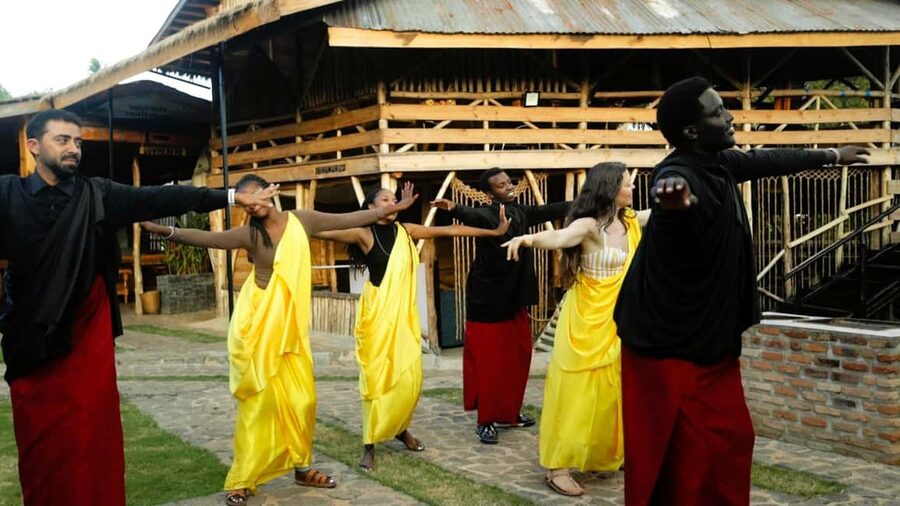
- Photos are part of the fun: You may take pictures with the dancers and capture colorful costumes and energetic movement.
- Plan for active participation: This is not suitable for people with impaired mobility, children under 10, or people over 70.
What Amaraba dance adds to a Kigali visit
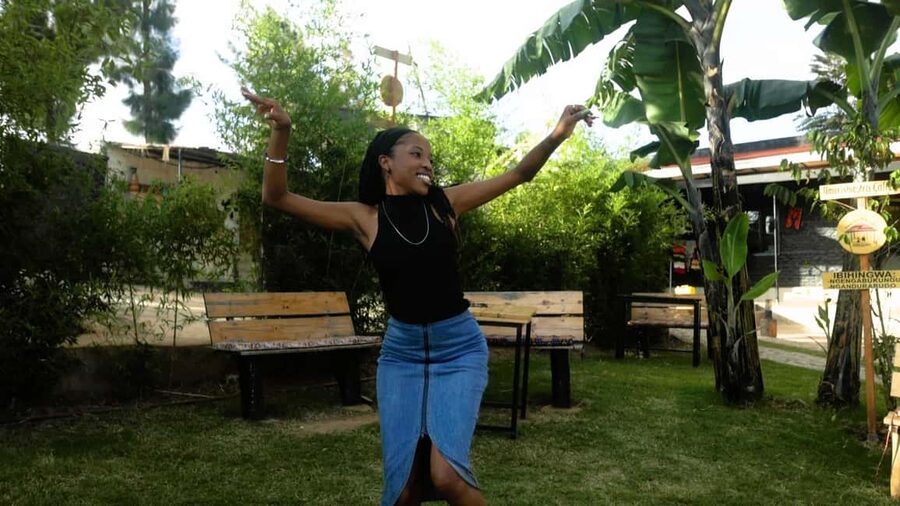
Kigali is easy to experience from a car window or through a list of museums and memorials. Dance asks more of you, but it also gives more back. You listen closely, watch the instructor’s feet and hands, then try to make your own body follow the pattern.
That physical act helps the culture stick. You may forget a few facts from a city tour, but you are less likely to forget the beat that made you laugh when your feet went the wrong way. The activity offers a small but direct connection with local performers and gives you a chance to participate with respect and curiosity.
Amaraba is presented here as a traditional Rwandan dance, not a modern stage routine created only for tourists. The teaching includes the meaning behind the movements, so you get context as well as exercise. That distinction matters. You are not just watching a polished show from a distance. You are being invited into a guided cultural lesson.
The strongest praise centers on the warm welcome. People describe the staff and dancers as friendly, kind, and encouraging. That tone is important for an activity that can make you feel awkward at first. Nobody expects you to arrive with perfect rhythm.
More cultural experiences in Kigali:
- Kigali: Mount Kigali and Cultural Village Tour with Snacks
★ 4.8 · 62 reviews - Kigali: Traditional Coffee Experience ( Bean to Brew)
★ 4.8 · 54 reviews - Kigali: Traditional Basket Weaving in a Garden
★ 4.8 · 41 reviews
Your first drumbeat and the welcome
The session begins with a performance entrance and an introduction to the dance. The first sound you notice is likely the drumming, which supplies the pulse for the lesson. From there, local dancers guide you into the basic movements.
Expect a lively room rather than a silent classroom. The atmosphere is supportive, and the format allows you to ask questions as you go. You are not left to watch from the edge while the performers handle everything. The point is to join in.
That makes the opening useful even if you feel shy. You can watch the instructor, copy a simple gesture, and gradually take on more of the sequence. The dancers provide the model, while the drum helps you understand the timing.
The experience lasts one hour, so the opening needs to move at a good pace. You will not receive a long academic lecture before dancing begins. Instead, cultural explanations are linked to the steps and gestures as you learn them. I prefer this approach because the information has a clear purpose: it helps you understand what your body is doing.
Learning the Amaraba movements step by step
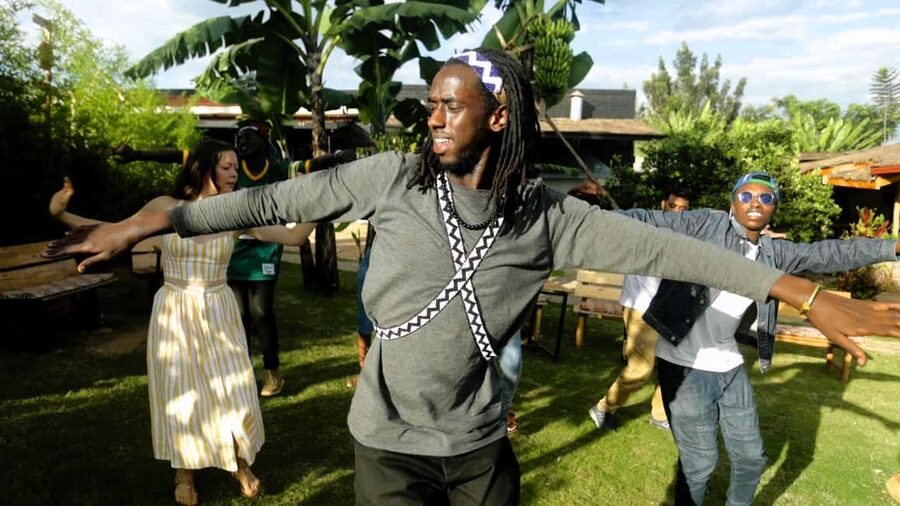
The teaching follows a practical pattern. A dancer demonstrates a movement, explains its place in the dance, and gives you a chance to try it. You then add gestures and sequences as the session continues.
The format suits beginners. You do not need prior dance training, and the activity is designed around participation rather than technical perfection. Your biggest challenge may be keeping your arms, feet, and timing working together. That is part of the pleasure.
Pay attention to the hands and upper-body gestures. Traditional dances often communicate through more than footwork, and the explanations help you see that. A movement may carry a story or symbolic idea, giving it more weight than a simple choreographed pose.
You can ask questions during the lesson, which makes the hour feel personal rather than fixed. If a step is unclear, you can request another demonstration. If you want to know why a gesture is used, the guide can connect it to Rwandan culture and tradition.
The instruction is in English. That is useful for international visitors, though the quality of your experience will also depend on how comfortable you are following movement demonstrations. Watch closely, keep your shoulders relaxed, and do not worry about getting every step right on the first attempt.
Following the live drumming
The drumming is not background decoration. It gives the dance its energy and helps you follow the timing. Once the rhythm begins, the session feels less like a formal lesson and more like a shared activity.
If you enjoy music, this may be your favorite part. You learn to listen for the beat while matching the dancers around you. The drum gives the group a common pulse, even when everyone has a different level of coordination.
The sound can also be loud. That is worth considering if you are sensitive to noise or bringing a child. The activity is not suitable for little children who may become overwhelmed by strong drumming, and children under 10 are excluded from the experience.
The rhythm makes the class feel energetic, but it also demands concentration. You cannot simply drift through the hour. I like that quality because it keeps you present, though it may be tiring if you have mobility limits or prefer quiet cultural visits.
A completely different kind of day:
- Kigali City Tour
★ 5.0 · 452 reviews - Kigali: Walking Tour with a Local Guide
★ 4.9 · 234 reviews - One-day Akagera National Park Game Drive with a Choice 4×4
★ 5.0 · 105 reviews - Private Full-day Kigali City Tour with Pickup and Lunch
★ 5.0 · 79 reviews
Cultural meaning behind the gestures
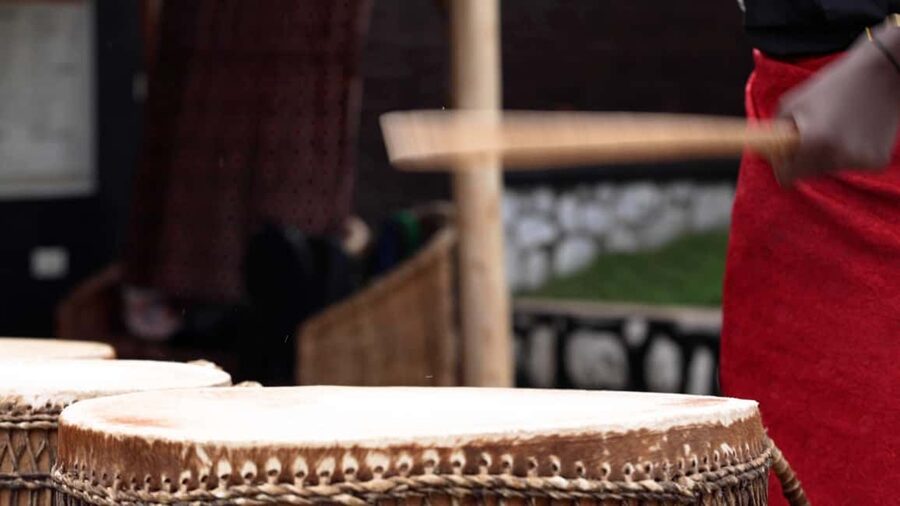
The session includes explanations of the dance’s cultural significance. This is one of the most useful features because it turns movement into communication.
Without context, you might see only costume, rhythm, and repeated steps. With an explanation, you can begin to understand why a gesture matters and how the dance connects to Rwandan heritage. The activity does not promise a long history seminar, but it gives enough background to make the movements more meaningful.
Listen for the stories linked to each sequence. The guide’s role is not only to count steps. You receive cultural insight while you practice, which helps you remember the lesson after you leave.
This also encourages respectful participation. You are not treating the dance as a novelty or a costume photo opportunity. You are learning from people who perform and teach it. A good approach is to stay open, follow the instructors, and ask questions in a polite way.
The cultural side makes the experience a better choice for someone who wants contact with local traditions rather than another passive attraction. You leave with a small new skill, but the larger gain is a clearer sense of how dance can carry identity, memory, and meaning.
Photos, costumes, and the final group moments
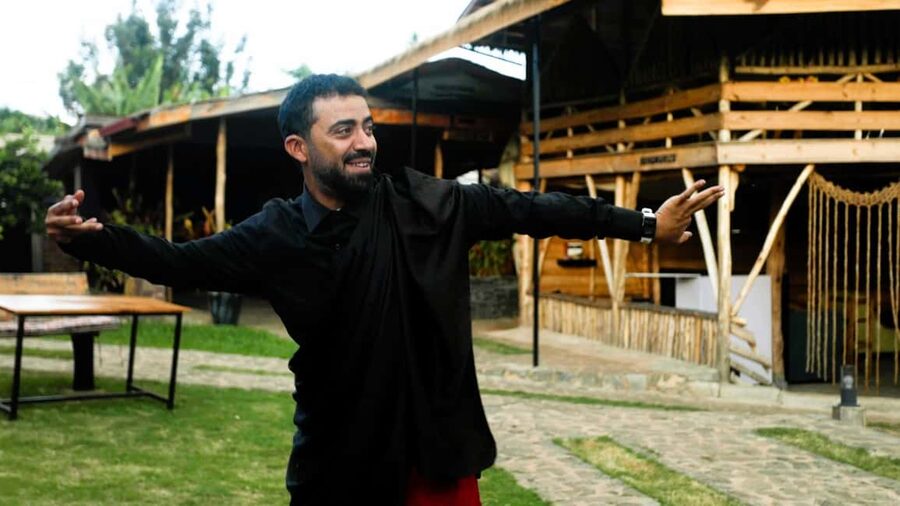
Bring a camera if you want pictures. The colorful costumes, expressive gestures, and movement make strong subjects, and the experience includes the possibility of taking photos with the dancers.
Do not let photography take over the lesson. The most worthwhile images will come after you have paid attention to the instruction and taken part yourself. Ask before taking close-up pictures, especially during a cultural activity where courtesy matters.
A photo with the dancers can be a pleasant final memory, but it is not the main reason to book. The heart of the experience is the shared dance. If you spend the whole hour holding a phone, you will miss the chance to follow the rhythm and notice the details the performers explain.
The final moments give you a chance to enjoy the group energy. You may still be trying to remember the sequence, and that is fine. The experience is meant to be welcoming, not a test.
What the $30 price delivers
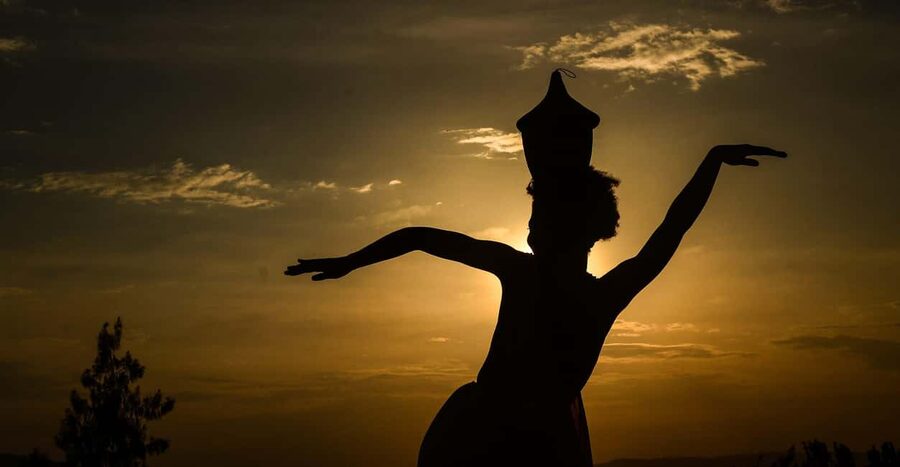
At $30 per person, this is a reasonably priced cultural activity for Kigali. The fee covers entrance to the Amaraba dance performance, guided explanations, participation with the dancers, local cultural insight, and the chance to take photos with them.
The value comes from direct contact. You are paying for an hour of instruction and interaction, not only a seat in an audience. If you are comparing it with a standard performance, the participatory format gives you more to do and more to remember.
Still, keep the limits clear. Transportation to and from the venue is not included. Meals, refreshments, and personal purchases are also extra. One recent visitor from Morocco enjoyed the dance, then stayed for dinner and praised the food, but that meal was separate from the dance price.
The one-hour duration can be a strength or a weakness. It is long enough to learn several steps and understand the cultural setting, but too short for a full performance workshop. If you want intensive dance training, this will feel brief. If you want a manageable cultural activity between other Kigali plans, the timing works well.
Who will enjoy this experience most
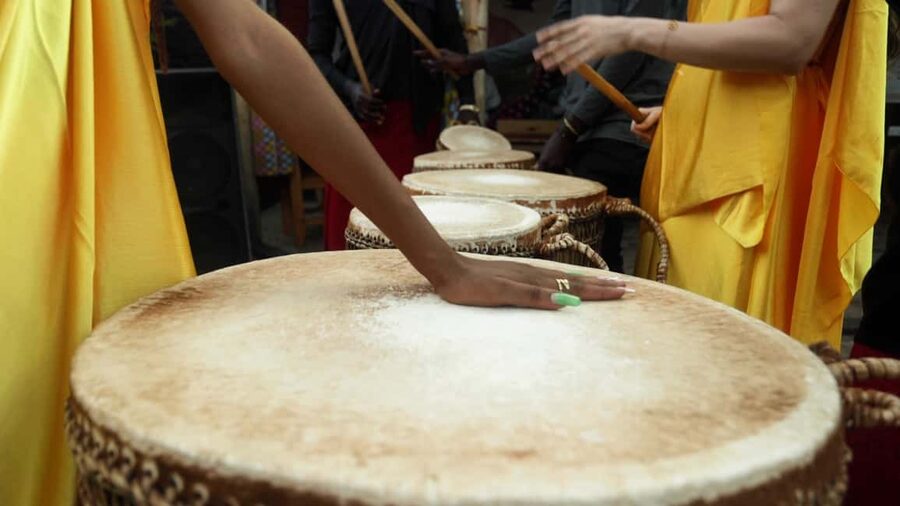
I would recommend the Amaraba session to adults and older children who enjoy active cultural activities. It works especially well for people who want to meet local performers, try something new, and learn through movement.
You do not need to be a dancer. In fact, a willingness to laugh at your own missed steps may be more useful than coordination. The encouraging style helps reduce the pressure, and the dancers guide you through the sequence.
This is a good fit for:
- Couples looking for a shared activity
- Solo visitors who want a social cultural experience
- Families with children aged 10 and above
- Visitors who enjoy music, rhythm, and movement
- Anyone who wants more than a performance viewed from a distance
- Photographers interested in costumes and motion
It is a poor match if you have impaired mobility or cannot remain on your feet for most of the hour. The activity is also not recommended for people over 70, and the stated age guidance excludes children under 10.
You should also think about your noise tolerance. The drumming is central to the session and may be too much for a small child or anyone who finds loud sound uncomfortable.
Practical planning for your Kigali day
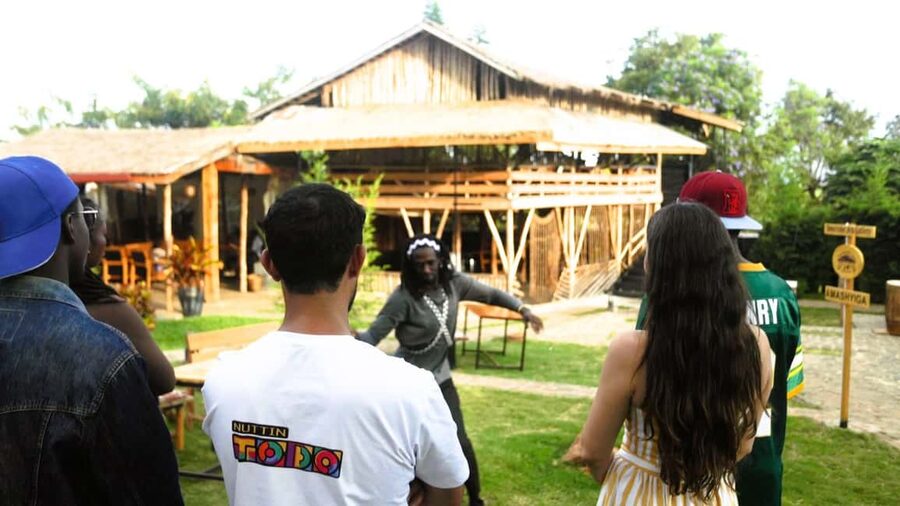
You will need to arrange your own transportation to the venue. Since the experience lasts only one hour, it can fit before or after another Kigali activity, but allow enough time for your transfer. The exact starting times depend on availability when you book.
Wear something that lets you move comfortably. The supplied information does not specify a dress code, but standing and dancing for an hour make restrictive clothing a poor choice. Comfortable shoes are sensible for any session that requires repeated movement.
Bring your camera, but keep your hands free when instruction begins. You will want to watch the dancers and copy their gestures.
The activity is offered in English, so English-speaking visitors can follow the cultural explanations and ask questions. If you are traveling with a mixed-language group, confirm that everyone is comfortable with English before booking.
Booking is flexible. You can reserve now and pay later, and cancellation is free up to 24 hours in advance for a full refund. That helps if your Kigali plans are still shifting.
How the experience compares with a standard dance show
A standard show lets you sit back and admire polished movement. The Amaraba experience gives you a role in the room. You may not look polished, but you gain a better sense of the effort, timing, and coordination behind the performance.
That difference affects the mood. A show can feel grand and formal. This session is more social and hands-on, with room for questions, mistakes, and laughter. The friendly atmosphere is one of its strongest qualities.
The tradeoff is that your attention is divided. You are learning while watching, so you may notice fewer performance details than you would from a theater seat. If your main goal is excellent photography or uninterrupted viewing, a performance-only format may suit you better.
For most people, the active format offers better memories. You hear the drums, attempt the gestures, and share the lesson with the dancers. It becomes a personal experience rather than a short cultural display.
Should you book the Kigali Amaraba dance experience?
Book it if you want a friendly, active introduction to Rwandan culture and you are happy to spend an hour on your feet. The $30 price is fair for direct instruction, cultural explanations, live drumming, and the chance to dance with local performers.
Skip it if you need a quiet activity, have limited mobility, or want a long and serious dance course. Families should also pay close attention to the age and noise guidance.
For the right person, this is a memorable Kigali activity. You may not leave as an Amaraba expert, but you will leave knowing a few movements, hearing the rhythm in a new way, and understanding more about the meaning behind the dance.
FAQ
How long does the Amaraba dance experience last?
The experience lasts one hour.
How much does the experience cost?
The price is $30 per person.
Is the activity taught in English?
Yes. The instructor and cultural explanations are offered in English.
Do I get to participate in the dance?
Yes. You can dance with the performers and learn Amaraba movements, gestures, and sequences.
Is this only a performance to watch?
No. It includes a performance entrance, but the main format is interactive. You are guided through the dance and encouraged to take part.
Is transportation included?
No. Transportation to and from the venue is not included.
What should I bring?
Bring a camera if you want to take photos of the dancers, costumes, and your experience.
Who should not book this activity?
The activity is not suitable for children under 10, people over 70, or people with impaired mobility. Little children who may become overwhelmed by loud drumming should also not attend.
Just added in Kigali
- Rwanda One Day Gorilla Trekking with Iby’iwacu Culture Visit★ 5.0 · 2 reviews
- Traditional Drumming and Dancing Class★ 5.0 · 2 reviews
- Gorilla Trekking Adventure – A Day trip (Only transfer)★ 5.0 · 2 reviews
- One Day Mt Bisoke Hike Adventure in Volcanoes Park ( 2 Pax Min)★ 5.0 · 1 review
- From Kigali: 8 Hour Day-trip Lake Kivu Cruise Experience★ 4.5 · 3 reviews
- Bar Hopping Tour in Kigali Nightclubs★ 4.0 · 3 reviews
- Most Innovative Full-Day Kigali Yacu Experience★ 5.0 · 2 reviews
- Imigongo (cow dung art) Experience★ 5.0 · 1 review
Traditional Culture Experiences, compared.

Mount Kigali and Cultural Village Tour with Snacks
Read our review →

Guided Art, History, and Food Tour with Moto Ride
Read our review →
Kigali City Tour: History, Art and Local Highlights.
Read our review →
Browse the lists this tour appears in