
Reviewed · RWANDAN FOOD TOURS
Kigali: From Market to Table Cooking Class in Kigali
Food tells Rwanda’s story. This two-hour Kigali cooking class takes you from a local shopping stop to a homemade Rwandan meal, with hands-on work along the way. I like the mix of market shopping and traditional cooking, and I also like that you use both a charcoal stove and gas cooking. The main drawback is the age and mobility rule: this experience is not suitable for children under 18 or people with mobility impairments.
The price is $21 per person, which feels fair for a guided cooking session, ingredients, bottled water, cultural explanations, and lunch. The class is conducted in English, and the meal includes familiar staples such as ugali, plantains, beans, vegetable stew, and isombe, made from cassava leaves. Plan for a practical, social activity rather than a polished restaurant-style demonstration.
In This Review
- Key things to know before you book
- Starting at Club Rafiki in Nyamirambo
- The 30-minute shopping stop
- Cooking ugali, isombe, and ibishyimbo
- Charcoal cooking beside modern gas
- Eating the meal you prepared
- Is $21 good value in Kigali?
- Who will enjoy this cooking class?
- Practical tips for making the most of it
- Should you book this Kigali cooking class?
- FAQ
- Where does the cooking class meet?
- How long does the experience last?
- What is the schedule?
- What language is the class conducted in?
- What dishes will I learn to prepare?
- Do I eat the food I prepare?
- Is bottled water included?
- How much does the cooking class cost?
- Is the class suitable for children?
- Can I cancel for a full refund?
Key things to know before you book
- The experience begins at Club Rafiki in Nyamirambo, near the main entrance gate, where your guide will meet you.
- Shopping takes about 30 minutes, giving the class a market-to-meal shape instead of dropping you straight into a kitchen.
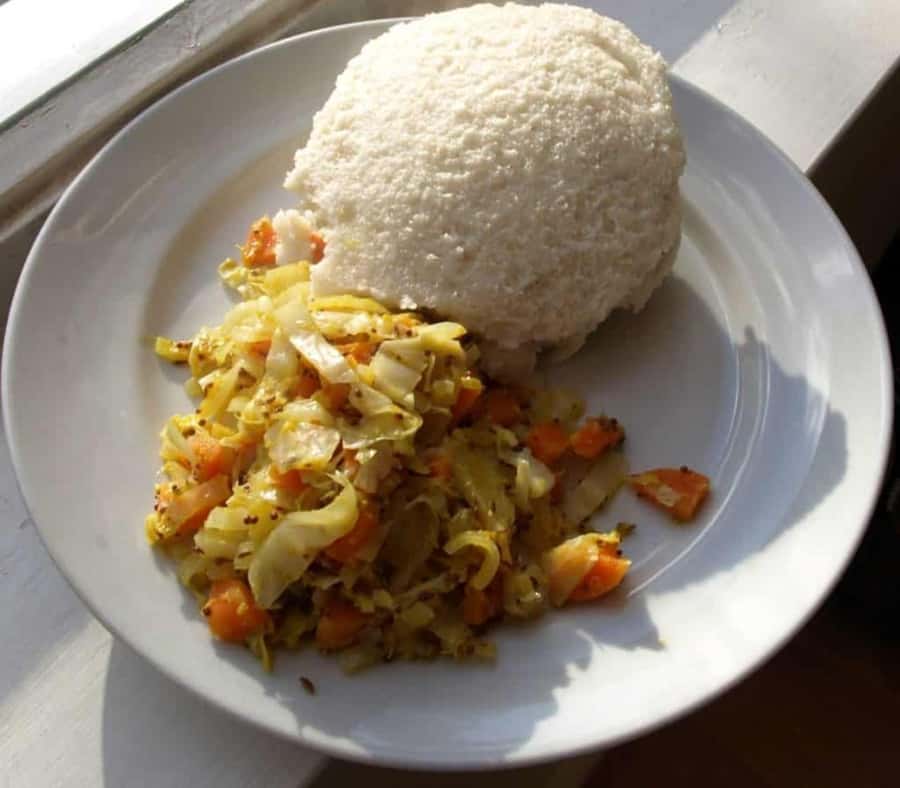
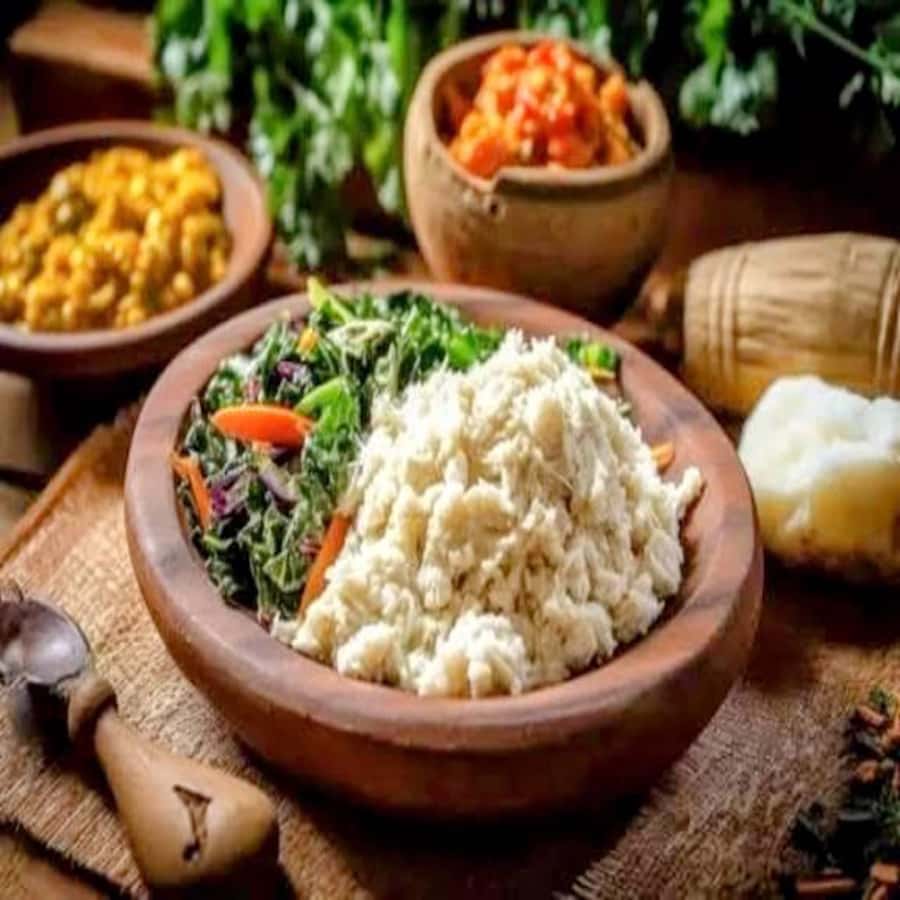
- You cook for about one hour, preparing dishes such as ugali, isombe, ibishyimbo, fried plantains, and vegetables.
- You use both charcoal and gas, so you see a traditional cooking method alongside the setup found in modern homes.
- The final 30 minutes are for lunch, when you eat the meal you helped prepare.
- The activity is in English, and free cancellation is available up to 24 hours before the start time.
Starting at Club Rafiki in Nyamirambo
Your meeting point is inside Club Rafiki in Nyamirambo, near the main entrance gate. Look for the large Club Rafiki sign. There is space to sit or stand while you wait, and your guide will meet you there before taking you to the starting point.
This arrangement is useful because it gives you a clear place to gather in a known neighborhood location. Still, the information does not specify hotel pickup or transport from other parts of Kigali, so you should arrange your own way to Club Rafiki and allow enough time to find the entrance.
The activity begins with a welcome and an introduction to the role of food in Rwandan culture. That short opening matters. You are not simply following instructions for a plate of food. You are learning why certain staples appear at the table and how cooking connects with daily life.
The class is led in English. No other language is listed, so English is the safe choice if you need to understand cooking directions and cultural explanations.
More food tours in Rwanda:
- Rwanda Half-Day Walking Food Tour
★ 5.0 · 35 reviews - Kigali: Guided Art, History, and Food Tour with Moto Ride
★ 4.9 · 34 reviews - Kigali: Learn How to Make Hot Sauce from Scratch
★ 5.0 · 12 reviews
The 30-minute shopping stop
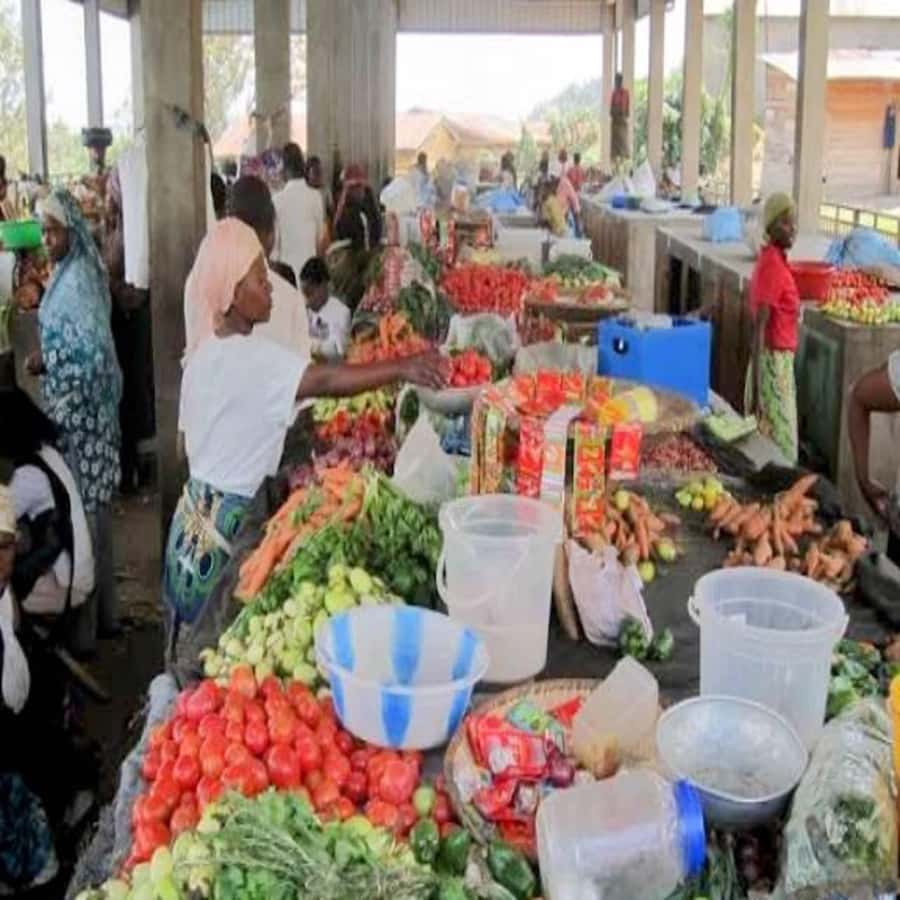
The first active part of the experience is a 30-minute shopping visit in Kigali Province. The exact market name is not provided, and the available details do not spell out which ingredients you will buy. Even so, the format is valuable because you see the meal begin with raw local produce rather than arriving as a prepared classroom kit.
Shopping also sets a useful pace. You get time to explore ingredients before cooking, then move directly into preparation. This makes the experience feel connected to ordinary food shopping rather than separated from it.
Do not expect a long market tour. Thirty minutes is enough for a focused ingredient stop, not a full market history lesson. If your main goal is extended shopping, bargaining, or photography, this class may feel brief. If you want a short introduction before cooking, the timing should work well.
The shopping portion also gives the guide a natural chance to explain unfamiliar ingredients. Dishes such as isombe, made with cassava leaves, may be new to you. Seeing the ingredients before they are cooked can make the finished dish easier to understand.
Cooking ugali, isombe, and ibishyimbo
The cooking session lasts about one hour. You can expect to work with traditional Rwandan recipes and fresh local ingredients, rather than only watching a guide prepare the food.
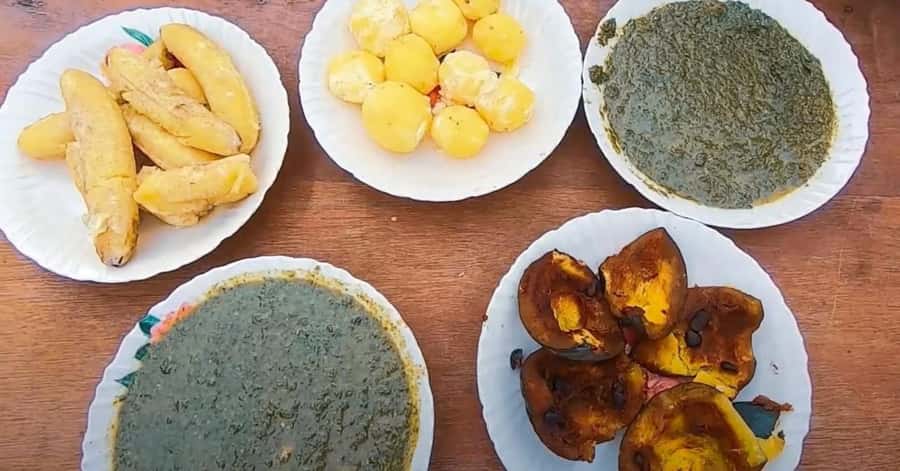
The dishes specifically named for the class include:
- Ugali
- Isombe, made from cassava leaves
- Ibishyimbo, or beans
- Fried plantains
- Vegetable stew
- Other fresh vegetables
Ugali is a useful introduction to the meal because it is a simple staple with an important role at the table. The class gives you a chance to learn the method directly, then eat it as part of the finished meal.
Isombe offers a different taste and texture, with cassava leaves as its key ingredient. For many people, this will be one of the more distinctive dishes in the class. Beans and vegetables round out the meal with familiar ingredients prepared in a local style.
The wording of the experience suggests real participation. You roll up your sleeves, follow the guide’s instructions, and help prepare the food. That is more rewarding than a demonstration, but it also means you should be ready to take part. This is not the place to sit back and wait for someone else to do all the work.
Charcoal cooking beside modern gas
One of the best details here is the use of two cooking methods. You cook with a traditional charcoal stove, then also experience gas cooking as used in modern homes.
The charcoal stove gives the class a practical cultural angle. It shows how heat can be produced and managed outside the standard kitchen setup many visitors know. Cooking over charcoal also helps connect the food to everyday household practice, not just to a special activity arranged for visitors.
The gas stove adds a useful comparison. You do not get only a traditional picture of Rwandan cooking, frozen in time. You also see a modern household method. That balance makes the class more honest and more useful.
There is a tradeoff. Charcoal cooking can feel slower or less familiar than using a conventional stove, and the information provided does not specify the kitchen setup, ventilation, or seating. If you have difficulty standing or moving around a cooking area, take the stated mobility restriction seriously.
A completely different kind of day:
- Kigali City Tour
★ 5.0 · 452 reviews - Kigali: Walking Tour with a Local Guide
★ 4.9 · 234 reviews - One-day Akagera National Park Game Drive with a Choice 4×4
★ 5.0 · 105 reviews - Hot Air Balloon Flight at Akagera National Park
★ 5.0 · 104 reviews
Eating the meal you prepared
The final 30 minutes are set aside for lunch. You sit together and eat the Rwandan meal you helped make, including the dishes prepared during the class.
This is where the activity earns much of its value. A meal tastes different when you have handled the ingredients, learned the cooking steps, and watched separate dishes come together. You leave with more than a list of recipes. You have a clearer sense of how the food fits together as a shared meal.
The lunch is described as a traditional Rwandan meal prepared by you and the group. Bottled water is included. The information does not list every possible dietary accommodation, so you should not assume that substitutions are available. If you have food allergies or follow a restricted diet, ask the provider before booking.
The published score is 5 out of 5 from one verified booking. Caesar, visiting from Sweden, described the experience as pleasant, educational, and fun, and specifically praised the food. That matches the activity’s strongest appeal: it combines useful instruction with a meal that you actually helped prepare. The rating comes from only one published assessment, so treat it as an encouraging sign rather than a large body of evidence.
Is $21 good value in Kigali?
At $21 per person, this is a reasonably priced short cultural activity. You receive a guided cooking session, ingredients connected to a shopping stop, a traditional meal, bottled water, and cultural information in a two-hour package.
The value is strongest if you want an activity with a clear beginning, middle, and end. You shop, cook, and eat. There is little wasted time, and the meal is part of the price rather than an extra restaurant bill.
The price is less compelling if you want a long market visit, a full-day food tour, or advanced culinary training. Two hours is enough for an introduction, but not enough for a detailed study of several regional cooking styles. No transportation is listed either, so include your own cost and time for reaching Club Rafiki.
For a visitor with limited time in Kigali, the format makes sense. It provides a compact look at local food culture without requiring a whole day. The reserve-now, pay-later option also gives you flexibility, and cancellation is free up to 24 hours in advance for a full refund.
Who will enjoy this cooking class?
I would recommend this class to adults who like active cultural experiences and want to learn by doing. It suits you especially well if you enjoy trying unfamiliar dishes, asking questions, and sharing a meal after the work is finished.
It is also a good fit for people who want a simple introduction to Rwandan food. You do not need to commit to a lengthy food tour, and the recipe list covers several useful categories: a staple, legumes, greens, plantains, and vegetables.
The class is not suitable for children under 18. It is also not suitable for people with mobility impairments, according to the activity information. That may matter because cooking with charcoal and moving between shopping and preparation can require standing or walking, although the exact physical demands are not described.
You should also consider your expectations. This is a cultural cooking experience, not a chef-led professional course. The attraction is the setting, the local methods, the shared meal, and the chance to prepare familiar Rwandan dishes in a different way.
Practical tips for making the most of it
Meet inside Club Rafiki near the main gate and look for the large sign. Arriving with a little extra time is sensible because the activity begins there and no pickup service is listed.
Wear comfortable clothing suitable for hands-on cooking. The information does not provide a dress code, but you should expect to work around food and cooking equipment.
Keep your expectations focused. The whole activity lasts two hours, with roughly 30 minutes for shopping, one hour for cooking, and 30 minutes for lunch. That schedule gives you a complete experience, but each section is fairly tight.
Ask questions during the cooking period. The cultural explanations are part of what you are paying for, and the dishes may be more memorable when you understand the ingredients and methods behind them.
Finally, follow the basic rules. Alcohol and drugs are not allowed, and littering is prohibited. The activity is led in English by VistaExperience, so English speakers will have the clearest access to the instructions.
Should you book this Kigali cooking class?
Book it if you want a short, affordable, hands-on introduction to Rwandan food. The charcoal and gas cooking comparison is a particularly good feature, and the market stop gives the class a stronger local connection than a standard kitchen lesson.
Skip it if you need transport, cannot manage the physical demands of cooking, are under 18, or want a long market exploration. For eligible adults who enjoy food and conversation, $21 is a sensible price for a two-hour shopping, cooking, and lunch experience in Nyamirambo.
FAQ
Where does the cooking class meet?
The meeting point is inside Club Rafiki in Nyamirambo, near the main entrance gate. Look for the large Club Rafiki sign.
How long does the experience last?
The experience lasts two hours.
What is the schedule?
The activity includes about 30 minutes of shopping, one hour of cooking, and 30 minutes of lunch.
What language is the class conducted in?
The live tour guide leads the class in English.
What dishes will I learn to prepare?
The named dishes include ugali, isombe made from cassava leaves, ibishyimbo beans, fried plantains, vegetable stew, and fresh vegetables.
Do I eat the food I prepare?
Yes. The experience includes a traditional Rwandan meal that you prepare during the class.
Is bottled water included?
Yes, bottled water is included.
How much does the cooking class cost?
The listed price is $21 per person.
Is the class suitable for children?
No. The activity is not suitable for children under 18.
Can I cancel for a full refund?
Yes. You can cancel up to 24 hours in advance for a full refund. You can also reserve now and pay later.
Just added in Rwanda
- Hiking Binana Mountain & Waterfalls in Rwanda★ 5.0 · 2 reviews
- Cultural Entertainment Tour★ 5.0 · 3 reviews
- Boat cruise in Twin lakes and Lake Kivu★ 5.0 · 3 reviews
- Gorilla Trekking Adventure – A Day trip (Only transfer)★ 5.0 · 2 reviews
- Rwanda One Day Gorilla Trekking with Iby’iwacu Culture Visit★ 5.0 · 2 reviews
- Traditional Drumming and Dancing Class★ 5.0 · 2 reviews
- One Day Mt Bisoke Hike Adventure in Volcanoes Park ( 2 Pax Min)★ 5.0 · 1 review
- From Kigali: 8 Hour Day-trip Lake Kivu Cruise Experience★ 4.5 · 3 reviews
Rwandan Food Tours, compared.

Guided Art, History, and Food Tour with Moto Ride
Read our review →
Local Community Tour(Cultural, Coffee,Village walk,Local food)
Read our review →
Browse the lists this tour appears in