Memorial site · TOURS
Kigali: Ntarama and Nyamata Genocide Memorial Tour
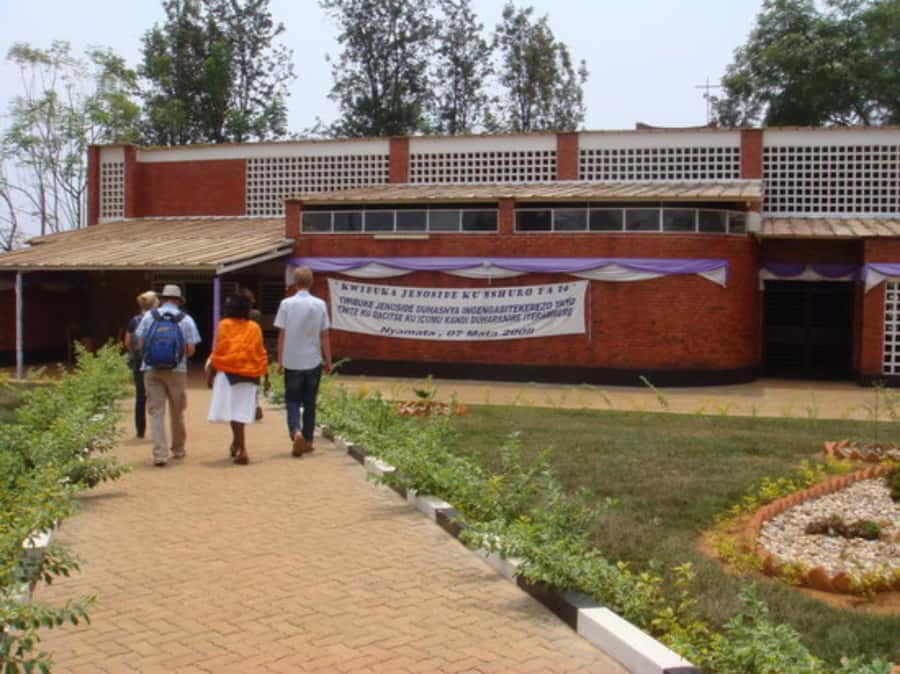
The past is impossible to keep at arm’s length here. This private four-hour trip from Kigali visits Ntarama and Nyamata, two former churches where the physical evidence of the 1994 Rwandan Genocide makes history painfully immediate. I like the hotel pickup and drop-off, and I like having an English-speaking guide to explain what happened rather than leaving you to read the sites alone.
I also value the private format, which gives you room to move at a serious, quiet pace. The main consideration is emotional: human remains, clothing, and personal effects are on display, so this is not a casual sightseeing outing. The four-hour schedule is practical, but it leaves little extra time if your group needs a long pause.
In This Review
- Key points to know before you go
- Why these two churches matter
- Leaving Kigali for the Bugesera region
- Ntarama Church and the evidence left behind
- Nyamata Church and the locked iron door
- How the guide shapes the experience
- Is four hours enough?
- What the $220 price buys you
- Practical comfort and access
- Who should book this visit?
- Book it or skip it?
- FAQ
- How long does the tour last?
- Where does the tour start?
- Where are the memorial sites located?
- What happened at Ntarama Church?
- What happened at Nyamata Church?
- What can you see at Ntarama?
- What will I learn at Nyamata?
- Is the tour private?
- Is the tour conducted in English?
- Is lunch included?
- Is hotel transportation included?
- Is the tour wheelchair accessible?
- Can I cancel the booking?
Key points to know before you go
- Ntarama Church preserves personal evidence: Human remains, clothing, and other belongings make the violence feel immediate and difficult to distance yourself from.
- Nyamata Church marks a larger killing site: About 10,000 people were killed in and around the church compound on April 10, 1994.
- The guide matters: An English-speaking local driver-guide provides context at both memorials, which is especially useful when the displays are stark and limited in explanation.
- Morning timing shapes the day: You leave Kigali in the morning and return in the afternoon after a four-hour visit and drive.
- Private transport keeps the tour simple: Pickup and return at your Kigali hotel are included, with no need to arrange a separate transfer to Bugesera.
- The price reflects convenience: At $220 per person, the value is strongest if you want a private vehicle, guide, and direct transport rather than managing the route yourself.
Why these two churches matter
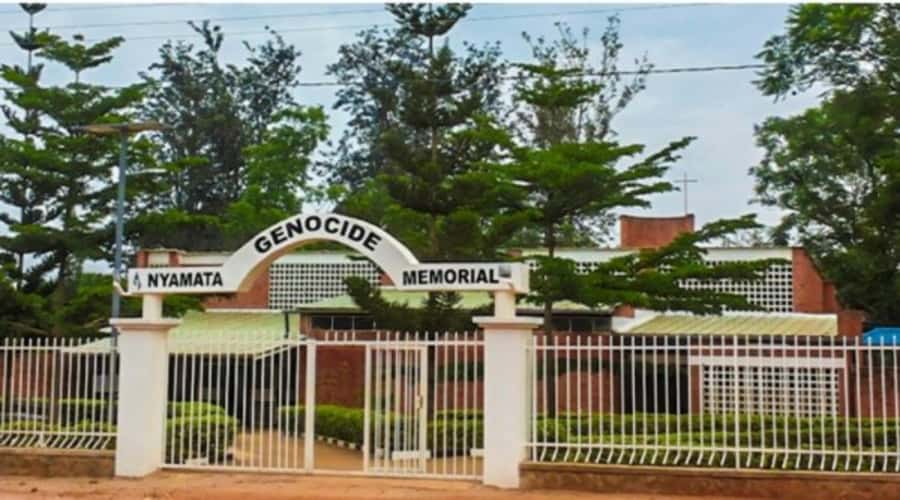
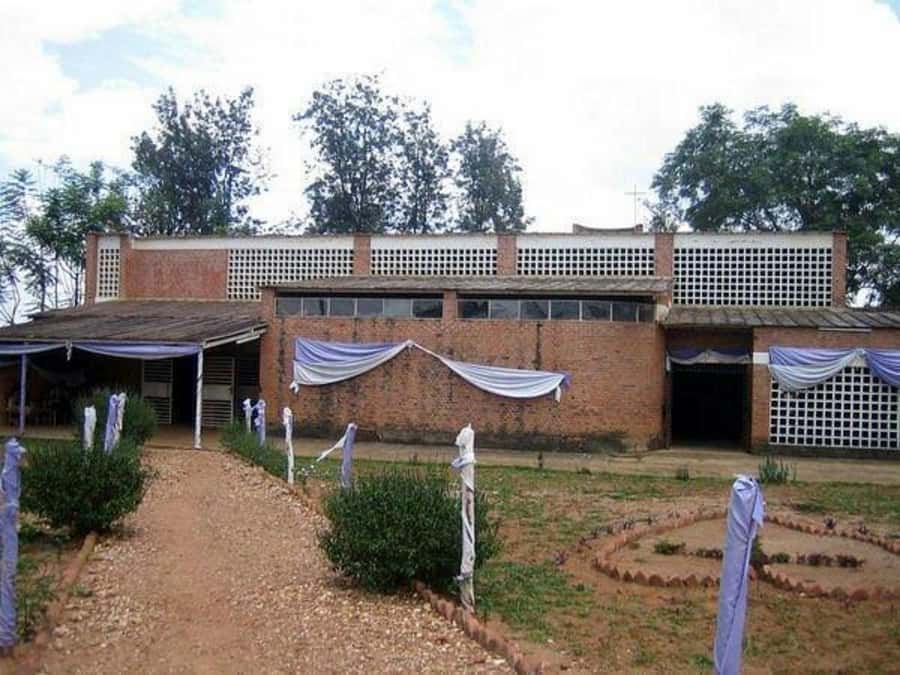
Ntarama and Nyamata are not conventional monuments with polished halls and sweeping displays. They are former Catholic churches connected to the killings of 1994. Their importance comes from the places themselves, the objects left behind, and the stories told about what happened there.
The Rwandan Genocide targeted the Tutsi population and also killed moderate Hutus. The tour gives you a focused way to learn about that violence in the Bugesera region, about 35 kilometers from Kigali for the Nyamata visit. You are not simply passing through a museum. You are entering sites where people sought safety and were killed.
That setting changes the way information reaches you. A date in a book can feel distant. A church door, a pile of clothing, or a preserved room brings the event closer. I would plan to listen carefully and avoid rushing from one stop to the next.
The tour is also a useful choice early in a Kigali visit. It gives you historical context for Rwanda before you spend more time exploring the capital or other parts of the country. Just keep the subject in mind when planning the rest of your day. After four hours of difficult material, a quiet afternoon may suit you better than a packed schedule.
More memorial visits:
- Ntarama and Nyamata Genocide Memorial Day Tour
★ 4.5 · 3 reviews - Private Memorial Day Tour Ntarama and Nyamata
★ 5.0 · 3 reviews - Kigali City Tour, Genocide Memorial Visit, Walking Tour in Kigali
★ 4.5 · 2 reviews
Leaving Kigali for the Bugesera region
Your day begins with pickup at your hotel in Kigali. The experience starts in the morning, and you return to the city in the afternoon. Since the trip is private, your transport is arranged for your group rather than shared with a larger party.
After your booking is confirmed, you need to contact the provider to arrange transportation. That step is easy to overlook, so do not assume the pickup details will sort themselves out without communication.
The road takes you toward the Bugesera region. Nyamata is approximately 35 kilometers from Kigali, while the full four-hour duration includes the transport and guided visits. The time is long enough for the two memorials, but it is not a leisurely full-day excursion with several unrelated stops.
The included Kigali city tour is listed as part of the experience, though the main focus is clearly the journey to Ntarama and Nyamata. If you want extensive sightseeing around Kigali, ask about the exact plan when arranging pickup. The memorial visits deserve most of the attention.
Ntarama Church and the evidence left behind
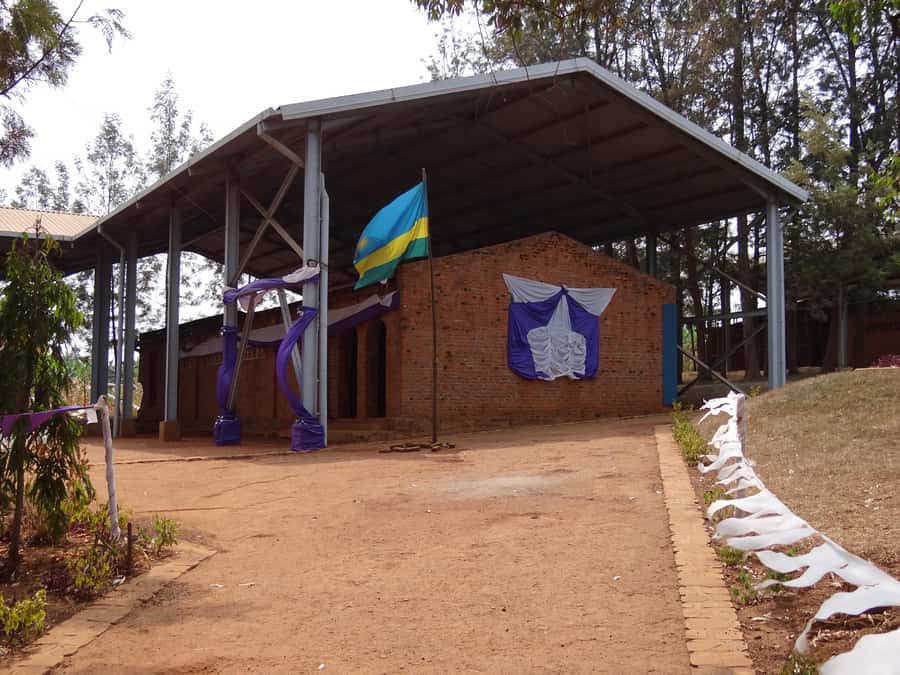
Ntarama Genocide Memorial occupies a former Catholic church where approximately 5,000 people were massacred on August 15, 1994. The church is not presented as an abstract historical site. You see the remains of the building and artifacts connected to the people who died there.
Human remains and clothing are among the most difficult things to encounter. These objects remove any comfortable distance between you and the event. Clothing is especially personal. It suggests ordinary people arriving at a place they hoped would protect them, not nameless figures from a distant conflict.
You may also see other items left behind by the victims. The exact condition of the site can change as preservation work continues, since a project to preserve Ntarama is underway. That is worth knowing before you go. Parts of the memorial may feel raw or in transition rather than fully finished.
Your guide helps place the church and its evidence in context. That support is important because the displays can be emotionally powerful without explaining every detail on their own. I would stay close to the guide, listen before taking photographs, and treat the church as a place of mourning rather than a collection of dramatic images.
Ntarama is likely to be the more physically confronting of the two visits. The human remains and clothing do not allow you to reduce the story to dates and political terms. If you know that visual evidence affects you strongly, prepare yourself before entering.
Nyamata Church and the locked iron door
The Nyamata Genocide Memorial is also in the Bugesera region, approximately 35 kilometers from Kigali. About 10,000 victims were killed in and around the Nyamata Church compound on April 10, 1994.
Here, you learn about the violence against Tutsi people and moderate Hutus, while seeing the church and memorial displays connected to those events. One detail receives special attention: the iron door that was locked with a padlock in an attempt to protect people inside from attackers.
That door makes the story of the church feel frighteningly concrete. It represents a basic act of protection that failed. You do not need a large display or elaborate reconstruction to understand the terror of people seeking shelter behind it.
Nyamata also gives the visit a wider sense of scale. Ntarama focuses on a massacre of about 5,000 people on a specific date. Nyamata records about 10,000 killed in and around the church compound. Seeing both sites helps you understand that these were not isolated incidents, but part of a wider campaign of organized violence.
The memorial is described as deeply saddening and moving, and that is an accurate expectation to set. You should arrive ready for a serious visit. This is not a place for loud conversation, hurried wandering, or casual entertainment.
A completely different kind of day:
- Kigali City Tour
★ 5.0 · 452 reviews - Kigali: Walking Tour with a Local Guide
★ 4.9 · 234 reviews - One-day Akagera National Park Game Drive with a Choice 4×4
★ 5.0 · 105 reviews - Hot Air Balloon Flight at Akagera National Park
★ 5.0 · 104 reviews
How the guide shapes the experience
The English-speaking driver-guide is one of the most important parts of this tour. At memorial sites, facts need careful context. A guide can explain what you are seeing, connect the two churches, and help you understand the wider events of 1994.
Augustin is specifically praised for being accommodating and going beyond the basic tour. His helpful attitude extended beyond the memorial visits, including spending about an hour searching through several shops with one visitor to find shaving cream. That small story tells you something useful about the service style: the guide may be willing to help with practical needs as well as sightseeing.
Do not expect the guide to make the subject lighter. The right guide should help you understand without turning the visit into a performance. At these sites, a calm and respectful manner matters more than a fast stream of facts.
The private group setup is a real advantage. You can ask questions without worrying about delaying a bus full of people. You may also have more control over how long you pause, though the overall four-hour limit still applies.
The tour is offered in English. If you need another language, the stated information does not confirm availability, so ask before paying.
Is four hours enough?
Four hours is enough for a focused trip to the two memorials, including the route from Kigali and the return to the city. It is not enough for an unhurried day with long breaks, extended Kigali sightseeing, or a meal stop.
The morning departure is sensible. You reach the sites, complete the guided visits, and return in the afternoon. Lunch and drinks are not included, so plan for those costs separately. The provided details do not specify a meal stop, so do not count on lunch being built into the schedule.
The emotional pace matters as much as the clock. You may need a few quiet minutes after Ntarama or Nyamata. A private vehicle makes that easier than a rigid large-group departure, but you should still tell the guide if you need a short pause.
If your main goal is to understand these two memorial churches, the duration works well. If you want a broader tour of Kigali on the same morning, the schedule may feel tight. Ask how much of the city portion is planned before you leave.
What the $220 price buys you
The cost is $220 per person. That is a substantial price for four hours, especially because lunch, drinks, and personal expenses are not included.
The value comes from the complete private arrangement. You receive hotel pickup and drop-off in Kigali, an English-speaking driver-guide, transport toward Bugesera, and guided access to both memorial sites. You also avoid arranging a separate transfer or trying to connect two important sites on your own.
The price makes more sense for a small private group that values ease and personal attention. If you are traveling alone, $220 is harder to justify unless the direct transport and guide support are especially important to you. If two or more people share the experience, the convenience may feel more reasonable, depending on how the per-person price is applied to your booking.
There is also value in having someone explain the sites responsibly. A cheap transfer would get you near the churches, but it would not necessarily provide the same historical context. Since the memorials can be hard to interpret without guidance, this is more than a simple ride into the countryside.
Still, I would compare the price with other Kigali memorial options before booking. The strongest case for this tour is not a long list of included extras. It is the private vehicle, hotel service, English guidance, and focused access to two sites that are difficult to reach as a casual day trip.
Practical comfort and access
The tour is described as wheelchair accessible, which is important for anyone who needs step-free or easier access. Because memorial conditions and preservation work can change, confirm the exact access arrangements for both sites when you contact the provider.
The tour includes a separate entrance to skip the line. The information does not describe typical wait times, but the separate access can make the visit more direct if there is a queue.
Wear practical clothing suitable for a respectful visit. The main advice is not about style but attitude. Keep your voice low, follow instructions, and ask before taking photographs. The displays are connected to real people and a recent national tragedy.
You should also expect a serious rather than entertaining atmosphere. The tour is best for adults and older children who can understand the subject, though no minimum age is provided. Since the materials include human remains and clothing, parents should make that decision with care.
Who should book this visit?
I would recommend this tour if you want a direct, guided introduction to the Rwandan Genocide and prefer a private vehicle from Kigali. It suits you especially well if you value historical context and do not want to navigate transport to Bugesera on your own.
It is also a good fit if you have limited time in Rwanda. Four hours lets you visit two major memorial sites without committing an entire day. The morning schedule leaves you back in Kigali during the afternoon.
You may want a different plan if you are looking for light sightseeing, a relaxed countryside drive, or a tour centered on food and scenery. This experience is emotionally heavy from beginning to end. The sites are the reason to book it, and they are also the reason to think carefully before doing so.
The tour is not ideal if you prefer to process difficult history privately. The guide is helpful, but you will still be confronted with clothing, human remains, and the physical remains of the churches. Go because you want to learn and pay respects, not because the outing is an easy item to fill a morning.
Book it or skip it?
Book this tour if visiting Ntarama and Nyamata is important to you and you want the comfort of private transport and an English-speaking guide. Augustin’s accommodating approach is a reassuring detail, and the two memorials offer a focused, serious look at what happened in 1994.
Skip it if the $220 price feels too high for a four-hour visit, or if you are not ready for graphic reminders of mass violence. For the right visitor, the cost pays for access, transport, and guidance through places that should not be treated like ordinary sightseeing stops.
FAQ
How long does the tour last?
The experience lasts four hours. It begins in the morning, and you return to Kigali in the afternoon.
Where does the tour start?
Pickup is provided from your hotel in Kigali. After your booking is confirmed, contact the provider to arrange transportation.
Where are the memorial sites located?
Both memorial visits take place in the Bugesera region of Rwanda. Nyamata is approximately 35 kilometers from Kigali.
What happened at Ntarama Church?
Ntarama was a former Catholic church where approximately 5,000 people were massacred on August 15, 1994.
What happened at Nyamata Church?
About 10,000 victims were killed in and around the Nyamata Church compound on April 10, 1994.
What can you see at Ntarama?
The site includes the remains of the church, human remains, clothing, and artifacts left behind by victims. Preservation work is underway at Ntarama.
What will I learn at Nyamata?
You will learn about the violence committed in 1994 against Tutsi people and moderate Hutus. The visit includes the Nyamata Church memorial and the iron door that was locked in an attempt to protect people inside.
Is the tour private?
Yes. The tour is offered for a private group.
Is the tour conducted in English?
Yes. An English-speaking driver-guide leads the experience.
Is lunch included?
No. Lunch, drinks, and personal expenses are not included.
Is hotel transportation included?
Yes. Hotel pickup and drop-off in Kigali are included.
Is the tour wheelchair accessible?
The experience is listed as wheelchair accessible. You should confirm the access arrangements for both memorial sites when arranging your transportation.
Can I cancel the booking?
You can cancel up to 24 hours in advance for a full refund. The tour also allows you to reserve now and pay later.
Just added in Rwanda
- Hiking Binana Mountain & Waterfalls in Rwanda★ 5.0 · 2 reviews
- Cultural Entertainment Tour★ 5.0 · 3 reviews
- Boat cruise in Twin lakes and Lake Kivu★ 5.0 · 3 reviews
- Gorilla Trekking Adventure – A Day trip (Only transfer)★ 5.0 · 2 reviews
- Rwanda One Day Gorilla Trekking with Iby’iwacu Culture Visit★ 5.0 · 2 reviews
- Traditional Drumming and Dancing Class★ 5.0 · 2 reviews
- One Day Mt Bisoke Hike Adventure in Volcanoes Park ( 2 Pax Min)★ 5.0 · 1 review
- From Kigali: 8 Hour Day-trip Lake Kivu Cruise Experience★ 4.5 · 3 reviews
Other memorial visits in Rwanda

Private Full-day Kigali City Tour with Pickup and Lunch
Read our review →
Mount Kigali and Cultural Village Tour with Snacks
Read our review →