Memorial site · PRIVATE
Private Memorial Day Tour Ntarama and Nyamata
Some places ask for silence. This is one.
This private half-day tour from Kigali takes you to two former Catholic churches tied to the 1994 genocide against the Tutsi. I especially like the private format, which gives your group room to ask questions and move at a thoughtful pace, and the fact that lunch, water, a guide, and entrance costs are included. The main consideration is emotional: these are difficult memorial sites, not light sightseeing stops.
You will spend about two hours at Ntarama and two hours at Nyamata, with travel time and lunch fitting into a roughly five-hour outing. Guide Aime received especially warm praise for careful driving and clear explanations, though one account noted some confusion during part of the day. That small warning is worth keeping in mind, but the overall impression is of a serious and worthwhile introduction to Rwanda’s past.
In This Review
- Key points to know before booking
- Why these two churches matter
- Leaving Kigali at 9:00 a.m.
- Ntarama Church and the story held inside
- Nyamata Church, 30 kilometers south of Kigali
- A private guide changes the tone
- Lunch, water, and what is not included
- Is $260 per person good value?
- Who should book this memorial tour?
- Practical tips for a respectful visit
- Should you book the Ntarama and Nyamata tour?
- FAQ
- What is the Private Memorial Day Tour Ntarama and Nyamata?
- How long does the tour last?
- What time does the tour begin?
- Is pickup available?
- Is this a private activity?
- How long do you spend at each memorial?
- Is lunch included?
- Are entrance fees included?
- Can I cancel for a full refund?
Key points to know before booking
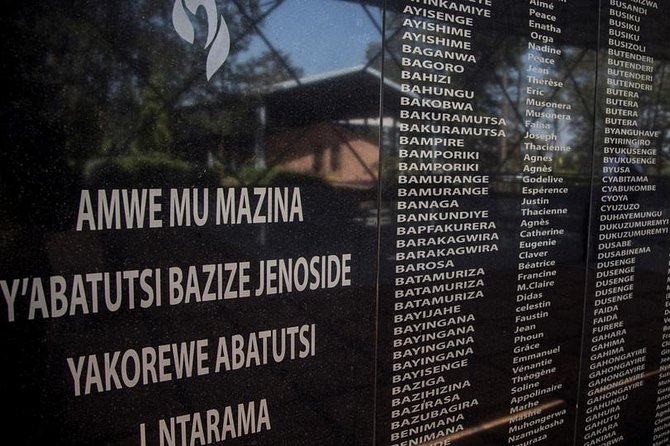
- Ntarama Church holds the memory of about 5,000 people killed there, with the old church, clothing, and weapons preserved as part of the memorial.
- Nyamata Church is connected with the burial of about 50,000 people, making it an especially weighty second stop.
- The private guide format matters, since you can ask direct questions about the genocide’s causes, events, and aftermath.
- The tour begins at 9:00 a.m. and lasts about five hours, a manageable length for a morning and early afternoon.
- Lunch and bottled water are included, while breakfast and alcoholic drinks are not.
- The $260 per person price is easiest to justify for a small group, especially if you value private transport, a dedicated guide, and a focused historical visit.
Why these two churches matter
The power of this tour comes from the setting. You are not only hearing a broad account of Rwanda’s genocide in a museum classroom. You are visiting churches where people sought refuge and were killed.
Ntarama and Nyamata were Catholic churches. During the genocide against the Tutsi in 1994, large numbers of people fled to churches because they believed these places might offer protection. At both sites, that hope failed in the most terrible way.
A guide helps connect the physical remains with the larger story. You learn about the causes of the genocide, how the violence unfolded, and how it ended. The value is not simply in collecting facts. It is in understanding how ordinary places became sites of mass killing, and how Rwanda has chosen to remember them.
You should arrive ready to listen. The subject is heavy, and the preserved clothing and evidence of violence can be upsetting. That is not a flaw in the tour, but it is an important part of deciding if this visit fits your day in Kigali.
More memorial visits:
- Ntarama and Nyamata Genocide Memorial Day Tour
★ 4.5 · 3 reviews - Kigali City Tour, Genocide Memorial Visit, Walking Tour in Kigali
★ 4.5 · 2 reviews - Kigali: Ntarama and Nyamata Genocide Memorial Tour
★ 5.0 · 2 reviews
Leaving Kigali at 9:00 a.m.
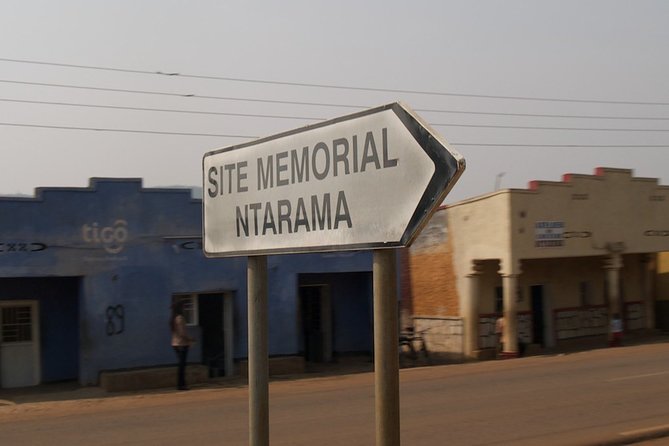
The tour starts at 9:00 a.m., with pickup offered. Since this is a private activity, only your group takes part. That gives the day a more personal feel than a large coach trip, especially at memorials where a crowded group can make quiet reflection difficult.
The full experience lasts about five hours. The two memorial visits are each listed at roughly two hours, so the remaining time covers the drive, transitions, and lunch. You should not expect a quick photo stop followed by a rushed explanation. This is built around time at the churches.
The exact pickup point is not specified, so confirm that detail when booking. Public transportation is nearby, and confirmation is provided at the time of booking. The tour is suitable for most people according to the supplied information, but the emotional demands matter more than the physical ones.
A private vehicle also gives you a chance to ask questions as they come up. That is useful in Rwanda, where historical terms, political causes, and the sequence of events may be unfamiliar. A good question can turn a general explanation into one that makes sense for you.
Ntarama Church and the story held inside
Ntarama is the first memorial stop. About 5,000 people were killed at this former Catholic church, which had become a place of refuge.
The visit includes the old church where people once prayed and later hid. You can see clothing belonging to victims and weapons associated with the killings. These objects are stark. They do not need much decoration or interpretation to make the setting feel real.
Your guide explains how the genocide began, its main causes, and how it ended. That wider account is important because Ntarama alone cannot explain the whole national story. The church gives you a specific place and human scale, while the guide connects it to the events across Rwanda.
Expect to spend about two hours here. That is enough time for a full explanation without turning the stop into a rushed walk-through. Still, you may find the visit emotionally tiring, particularly when the physical evidence is presented alongside the story of people seeking safety in the church.
One useful feature of a private tour is the ability to control your questions and attention. If you need a quiet moment, you have more room for it. If you want clarification, you can ask without worrying about slowing down a large group.
Nyamata Church, 30 kilometers south of Kigali
The second stop is Nyamata Church, about 30 kilometers south of Kigali. The memorial is based around another former church where people gathered for protection during the genocide.
The site commemorates the 1994 genocide and is associated with the remains of about 50,000 people buried there. That number gives Nyamata a different weight from Ntarama, even though both places tell a related story. Here, the church becomes part of a much larger memorial to those killed in the surrounding area.
You learn when and how people hiding in the church were attacked. The guide also explains the history of the area, helping you see the church as part of a local community rather than as an isolated monument.
The two-hour visit allows time to take in the building and hear the explanation. Do not expect entertainment, spectacle, or a polished attraction designed for easy consumption. Nyamata asks you to pay attention and show respect.
The sequence of the tour works well. Ntarama introduces the subject through a smaller memorial site, while Nyamata adds a broader sense of scale. Visiting both in one day lets you compare the sites without needing to arrange separate transport.
A completely different kind of day:
- Kigali City Tour
★ 5.0 · 452 reviews - Kigali: Walking Tour with a Local Guide
★ 4.9 · 234 reviews - One-day Akagera National Park Game Drive with a Choice 4×4
★ 5.0 · 105 reviews - Private Full-day Kigali City Tour with Pickup and Lunch
★ 5.0 · 79 reviews
A private guide changes the tone
The guide is central to this experience. You are not simply being dropped at two churches and handed a pamphlet. The guide takes you through the story, including the causes, realities, and consequences of the genocide against the Tutsi.
A private guide can also adjust the explanation to your background. If you already know the basic history, you can ask about details that are less familiar. If this is your first serious introduction to Rwanda’s genocide, you can ask for a clear timeline and definitions.
Guide Aime was praised for driving well and helping a mother and daughter learn a great deal during a difficult day. That account also described the tour as heavy but worthwhile, offering a stronger perspective on Rwanda’s past. Another experience with Wild Hikes Rwanda was praised for punctuality and guides who understood different events in Kigali.
The feedback is limited, with three published ratings shown as 5, but the comments are consistent about the care of the guide and the value of the historical explanation. One account did mention confusion at one point. Since the exact issue is not explained, I would simply confirm the pickup details and day plan before departure.
Lunch, water, and what is not included
Lunch and bottled water are included, along with the guide and all fees and taxes. That makes the five-hour schedule easier, since you do not need to plan a separate meal during the outing.
Breakfast is not included, so eat before pickup if you normally need a substantial morning meal. Alcoholic drinks are also excluded. That is sensible for a memorial visit and a driving tour, but it is still useful to know when comparing the price with other activities.
Lunch is more than a minor bonus here. After two serious memorial visits, having a meal included means you can continue the day without stopping to find a restaurant or making another plan. The supplied details do not specify the restaurant, menu, or dietary arrangements, so ask ahead if you have food restrictions.
Is $260 per person good value?
At $260 per person, this is not a budget sightseeing trip. Its value depends heavily on your group size and what you want from the day.
For a small private group, the price covers a dedicated guide, pickup, transport, lunch, bottled water, and taxes. You are also paying for a focused visit to two important memorial sites rather than a general city tour with a brief historical mention.
I think the price is easier to defend if you care about context and personal attention. A private format lets you ask questions and avoids the stop-and-start rhythm of a large group. It also makes sense if you have only a short stay in Kigali and want to use one morning to visit both Ntarama and Nyamata.
The value is less clear if you only want a quick look at each site or prefer to explore memorials independently. Much of the cost reflects the guide and transport, not paid admission, since the two listed stops have no separate admission charge.
For families, couples, or friends who want a shared learning experience, the private setup may be worth the extra money. For a solo visitor, $260 is a larger commitment, though the convenience and personal guide may still justify it.
Who should book this memorial tour?
I would recommend this tour to you if you want a serious introduction to Rwanda’s genocide memorials and prefer not to manage transport between sites. It suits people who value explanation, questions, and a quiet private setting.
It is also a strong choice if you have limited time in Kigali. In about five hours, you visit two significant churches south of the city, hear the wider national story, and receive lunch and water along the way.
This is less suitable if you want a relaxed cultural outing or a day filled with cheerful stops. The tour is emotionally demanding. You may want to leave space in your schedule afterward rather than racing straight into another major activity.
Families should think about the age and sensitivity of younger children before booking. The supplied information says most people can participate, but it does not describe child-specific programming or how graphic the displays are. Ask the operator if you are unsure.
Practical tips for a respectful visit
Wear clothing suitable for a memorial setting and keep your approach quiet and respectful. The churches are places of remembrance, not ordinary sightseeing stops.
Listen carefully to the guide’s explanation before forming conclusions. The subject is complex, and a short visit can only cover part of Rwanda’s past. Ask questions, but give the guide time to explain the context around each site.
You should also prepare yourself emotionally. Seeing victims’ clothing and learning how people were attacked while hiding in churches can stay with you after the tour. That lasting effect is part of why the experience can be meaningful, but it is not something to treat casually.
Since the tour is booked an average of 94 days ahead, planning early is sensible if your Kigali dates are fixed. Free cancellation is available up to 24 hours before the start time for a full refund. Cancellations or changes made within 24 hours are not refunded or accepted, based on local time.
Should you book the Ntarama and Nyamata tour?
Book it if you want to understand Rwanda through places where its history happened, not only through a city museum or a short guidebook chapter. The combination of Ntarama’s preserved church setting, Nyamata’s large burial memorial, and a private guide creates a focused and sobering morning.
I like the practical setup: 9:00 a.m. pickup, about five hours, lunch and water included, and no need to arrange separate transport. I also like the personal tone suggested by the warm feedback about Aime and Wild Hikes Rwanda.
Just go with the right expectations. This is not an easy outing, and the $260 price is high for one person. But for a small group seeking a respectful, well-explained visit to two major genocide memorials, it offers real value and a meaningful connection to Rwanda’s past.
FAQ
What is the Private Memorial Day Tour Ntarama and Nyamata?
It is a private memorial tour from Kigali to Ntarama Church and Nyamata Church, two former Catholic churches connected with the 1994 genocide against the Tutsi in Rwanda.
How long does the tour last?
The tour lasts approximately five hours.
What time does the tour begin?
The stated start time is 9:00 a.m.
Is pickup available?
Yes, pickup is offered. The exact meeting details should be confirmed when booking.
Is this a private activity?
Yes. Only your group participates in the activity.
How long do you spend at each memorial?
The planned visit is about two hours at Ntarama Church and about two hours at Nyamata Church.
Is lunch included?
Yes, lunch and bottled water are included.
Are entrance fees included?
Yes. All fees and taxes are included, and the listed memorial stops have no separate admission charge.
Can I cancel for a full refund?
Yes. You can cancel at least 24 hours before the experience start time for a full refund. Cancellations or changes made less than 24 hours before the start time are not accepted or refunded.
Just added in Kigali
- Gorilla Trekking Adventure – A Day trip (Only transfer)★ 5.0 · 2 reviews
- Rwanda One Day Gorilla Trekking with Iby’iwacu Culture Visit★ 5.0 · 2 reviews
- Traditional Drumming and Dancing Class★ 5.0 · 2 reviews
- One Day Mt Bisoke Hike Adventure in Volcanoes Park ( 2 Pax Min)★ 5.0 · 1 review
- From Kigali: 8 Hour Day-trip Lake Kivu Cruise Experience★ 4.5 · 3 reviews
- Bar Hopping Tour in Kigali Nightclubs★ 4.0 · 3 reviews
- Most Innovative Full-Day Kigali Yacu Experience★ 5.0 · 2 reviews
- Imigongo (cow dung art) Experience★ 5.0 · 1 review
Other memorial visits in Rwanda
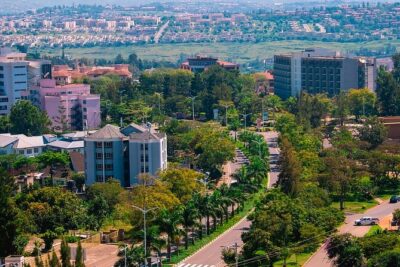
Private Full-day Kigali City Tour with Pickup and Lunch
Read our review →
Private 1 Day Akagera Big Five Safari with pick up and lunch.
Read our review →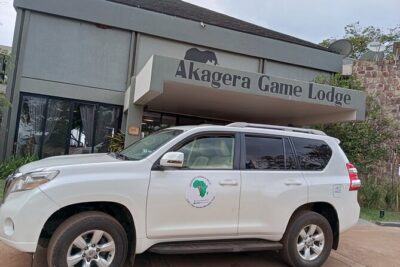
Full-Day Private Safari of Akagera National Park with Lunch
Read our review →

One Day Private Tour to Akagera National Park from Kigali
Read our review →
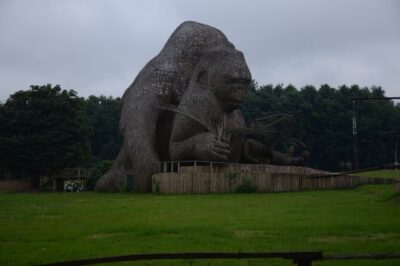
One Day Private Gorillas Tracking in Volcanoes National Park
Read our review →