
Reviewed · CITY TOURS
Kigali E-Bike City Tour with Breakfast
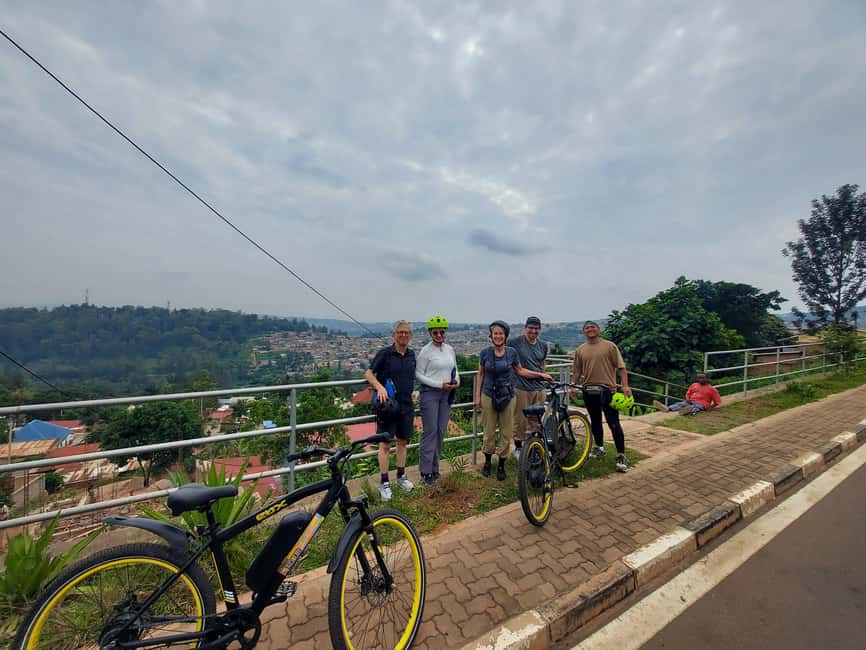
Kigali’s hills are easier on two wheels. I like the way this small-group e-bike tour gets you into streets and pedestrian areas that a car cannot reach, and I like the mix of city views, local neighborhoods, history, and food. The main point to consider is traffic: some sections pass through congested streets without dedicated bike lanes.
I also like that the ride is led by guides such as John, Shark, and Mohamed, who bring personal knowledge of Kigali and Rwanda to the route. The bikes are repeatedly praised for being powerful and easy to handle, but you should still be comfortable riding in city traffic and climbing hills, even with electric assistance.
In This Review
- Key points to know before booking
- Why an e-bike is the smart way to see Kigali
- Starting at Mundi Center and finding the shop
- Biryogo and the old city feel
- Imbuga City Walk and pedestrian Kigali
- Nyarutarama Golf Lake and the city’s best views
- Breakfast with local flavor
- The Belgian Peacekeepers Memorial and Rwanda’s difficult past
- Markets, neighborhoods, and meeting people
- Guide quality and personal attention
- Safety, fitness, and the traffic question
- Is $39 a fair price?
- Should you book the Kigali e-bike tour?
- FAQ
- How long does the Kigali e-bike tour last?
- How much does the tour cost?
- Where does the tour begin?
- Where does the tour finish?
- What language is the tour offered in?
- How many people can join the tour?
- Are the e-bike and helmet included?
- Is breakfast included?
- Is the tour suitable for children?
- Can I cancel the booking?
Key points to know before booking
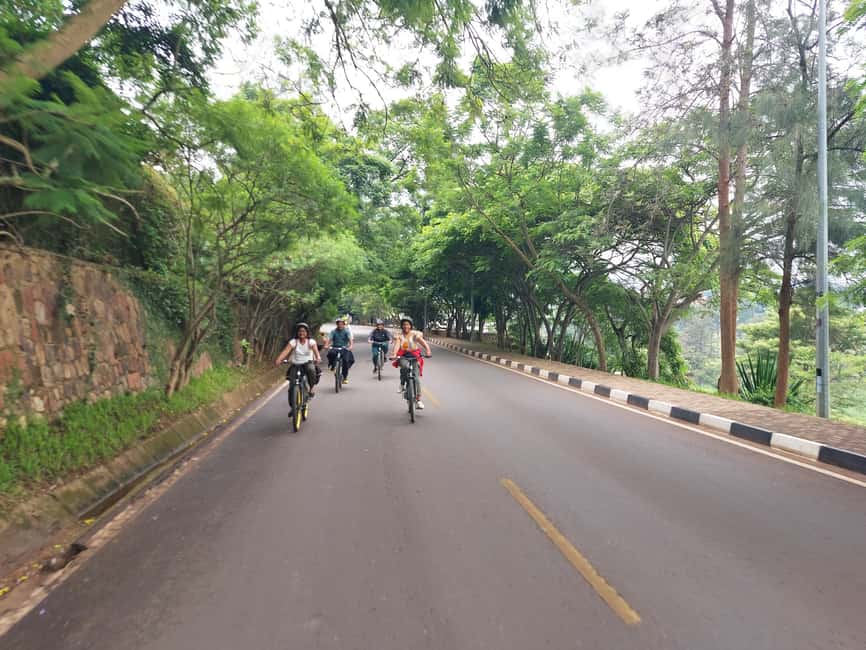
- Electric help matters in Kigali: The motor takes much of the strain out of the city’s steep climbs, but this remains an active three-hour ride.
- Small groups make a difference: With a maximum of four participants, the guide can adjust the pace and route to suit the group.
- Breakfast is part of the appeal: Expect a food stop with items such as fresh bread, hummus, falafel, local delicacies, or a famous Rolex-style sandwich, depending on the arrangement.
- The route shows several sides of Kigali: You may pass through Biryogo, Imbuga City Walk, Nyamirambo, Nyarutarama, markets, pedestrian zones, and historic sites.
- Traffic requires confidence: Kigali is often calm and orderly, but there are no dedicated bike lanes on parts of the route, and some areas can be crowded.
- The tour is for ages 16 and up: Comfortable clothing, shoes, cycling clothes, a camera, and some cash are useful.
Why an e-bike is the smart way to see Kigali
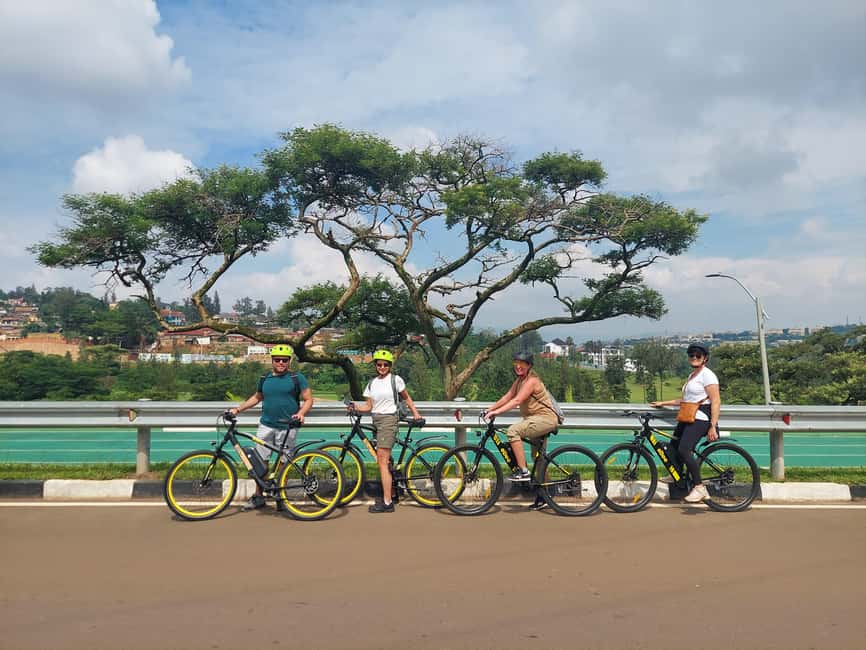
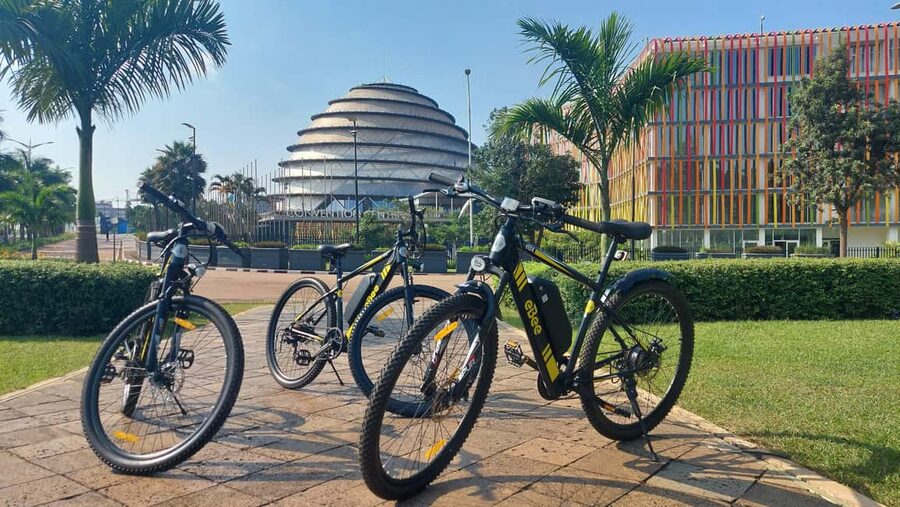
Kigali is known as the Land of a Thousand Hills, and you feel that nickname quickly on a bicycle. The city rises and falls across broad roads, residential districts, commercial streets, and viewpoints. On a standard bicycle, the route could become a workout. On an e-bike, you still pedal, but the motor gives you the push needed on steep sections.
That makes this a good middle ground. You are outside and active, yet you are not spending the whole morning struggling uphill. Several riders describe the bikes as powerful, well maintained, and easy for beginners to use. One particularly energetic outing covered about 24 kilometers, so the exact distance can feel substantial even though the activity lasts three hours.
The bikes also let you move at street level. From a car, Kigali can look clean and orderly but somewhat distant. From a bike, you pass close to shops, food stalls, markets, and ordinary daily life. You can pause for a photo, hear the guide explain what you are seeing, and reach pedestrian areas that are difficult to access by vehicle.
There is an environmental benefit, too. The tour uses electric bikes instead of a fuel-powered sightseeing vehicle, making it a practical way to explore with less impact. That does not make the ride completely effortless or silent, but it gives you a more direct connection with the city.
More bike tours in Kigali:
- The Amazing Congo Nile Hiking & Biking Trail
★ 5.0 · 3 reviews
Starting at Mundi Center and finding the shop
The tour begins at the operator’s shop at Mundi Center. Look for the NuttinTODO sign. One person had trouble locating the meeting point because the sign had been removed, so it is wise to allow a little extra time and confirm the exact shop location before setting off.
The opening safety talk should help you get used to the bicycle, brakes, controls, and riding plan. This matters if you have never used an e-bike. The guides are described as attentive and safety conscious, and they have helped slower riders keep up.
The small group limit, four people, is one of the tour’s strongest features. A guide can watch how confidently you ride and adjust the pace. If you are an experienced cyclist, you may get a livelier ride. If you are new to e-bikes, the motor and guide support should make the hills more manageable, though you still need to pay attention to traffic.
Biryogo and the old city feel
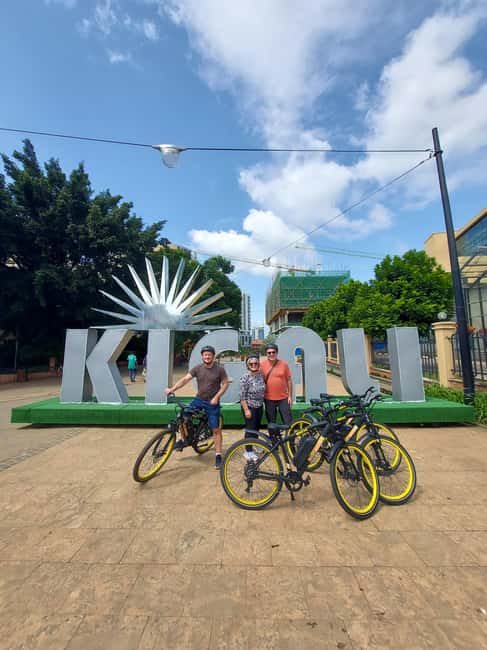
One early section leads toward Biryogo Car Free Food Street. This is a useful introduction to Kigali because it combines movement, food, local businesses, and pedestrian space. The published route gives this section about 20 minutes of electric-bike riding, though the full outing continues through several districts and viewpoints.
Biryogo is especially valuable if you want more than postcard views. You can see how food and social life shape the city, while the guide explains local customs and points out details you might miss alone. The route may also pass through parts of the old city and Nyamirambo, an area that several riders found especially interesting.
Do not expect a polished sightseeing circuit at every turn. Some riding takes place near busy roads, and one rider specifically advised having some experience with motorbike or city traffic in developing countries. Another noted that Kigali’s roads felt safe and slow enough to control an e-bike, but the absence of bike lanes remains worth noting.
Imbuga City Walk and pedestrian Kigali
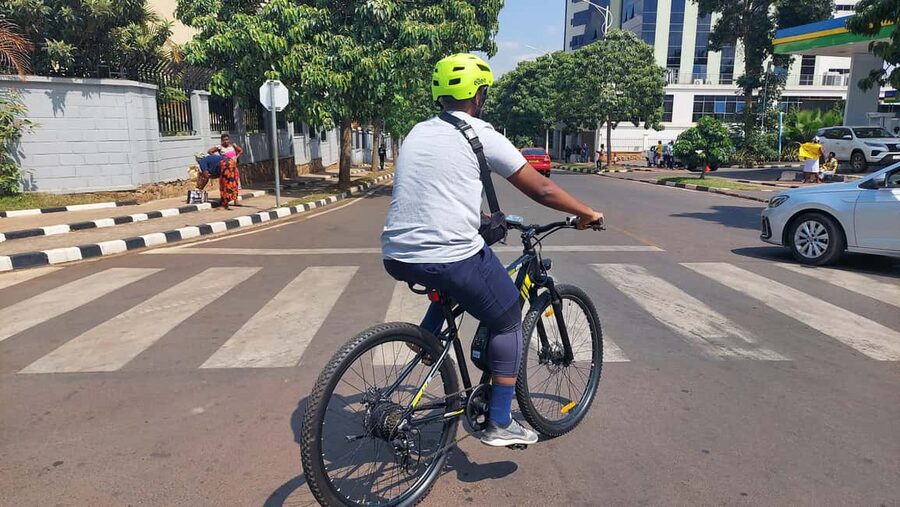
Imbuga City Walk gives the tour a change of pace. A car tour can take you past central Kigali, but a bike allows you to enter areas set aside for walking and public activity. This is where the tour feels less like transport and more like a guided look at how the city is organized.
The guide can stop to explain the city’s development, art, traditions, and public spaces. The experience is not just about covering distance. It is about understanding why a street, market, memorial, or neighborhood matters.
The exact order of stops may vary. The supplied route lists several locations without describing every detail of the fifth stop, while the tour description also names the Belgian Peacekeepers Memorial and several photo points. Think of the schedule as a guided circuit rather than a rigid list of timed attractions.
A completely different kind of day:
- Kigali City Tour
★ 5.0 · 452 reviews - Kigali: Walking Tour with a Local Guide
★ 4.9 · 234 reviews - One-day Akagera National Park Game Drive with a Choice 4×4
★ 5.0 · 105 reviews - Private Full-day Kigali City Tour with Pickup and Lunch
★ 5.0 · 79 reviews
Nyarutarama Golf Lake and the city’s best views
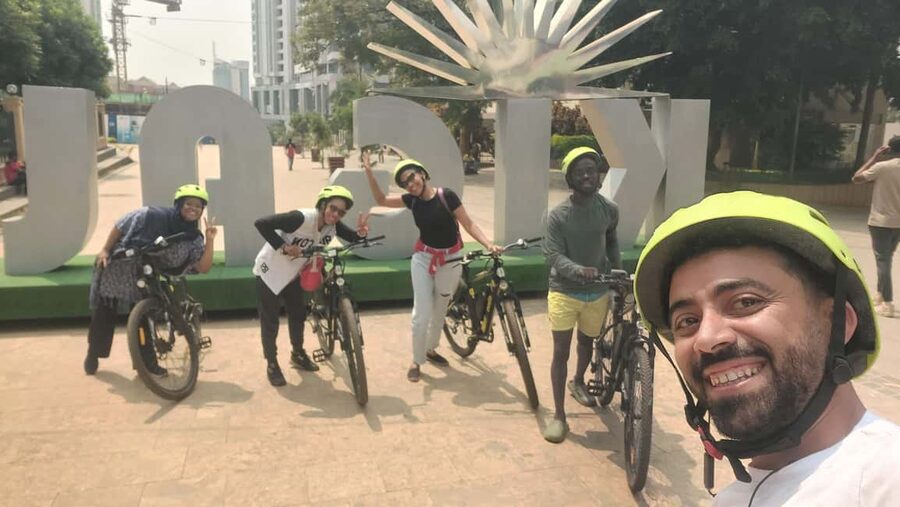
The ride continues toward Nyarutarama Golf Lake, where the surroundings open up and the hills become part of the view. Kigali is a city of slopes and ridges, so each climb can offer a different angle across rooftops, roads, greenery, and countryside.
This is a good place to slow down and take pictures. The electric motor is most useful on the approach, while the reward comes at the top, when you can look back over the city without having spent all your energy getting there.
The word hilly is not a decoration here. You should expect repeated climbs and descents. The motor makes them easier, but it does not remove the need for balance, braking, and basic fitness. If you want a completely passive sightseeing experience, choose a vehicle tour instead.
Breakfast with local flavor
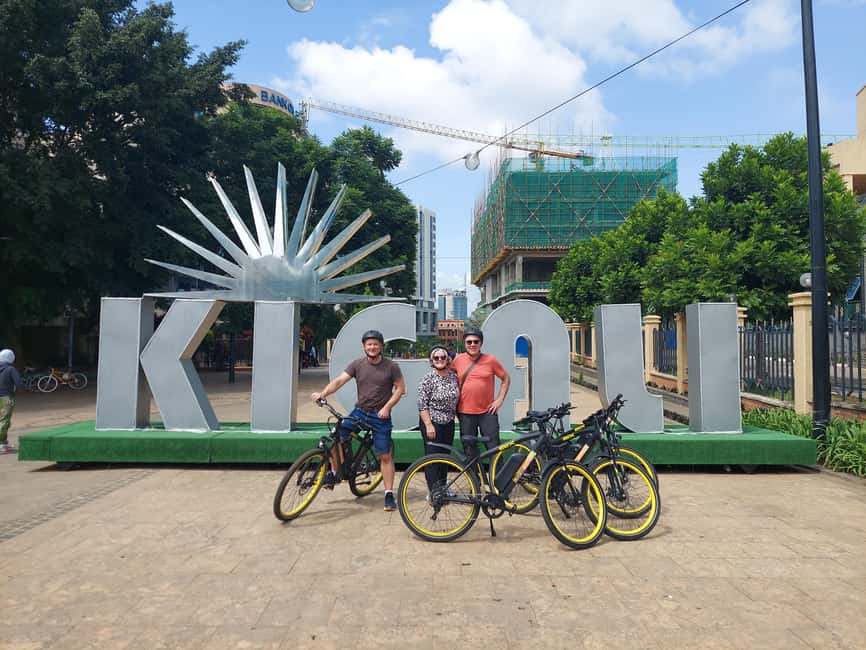
Halfway through the ride, the group stops for breakfast. The stated food selection includes fresh bread, hummus, falafel, and other foods, while individual outings have included local delicacies, a Rolex-style sandwich, sugar cane juice, and ginger drink.
That range suggests the meal may depend on the day, venue, or tour arrangement. Either way, the stop serves a practical purpose: it gives you time to rest and refuel before more hills. It also adds something a vehicle tour often lacks, a chance to sit with the guide and talk about Rwanda beyond the formal sightseeing points.
Breakfast is not simply a snack inserted between attractions. Food gives you another way to understand Kigali. A local sandwich or drink can tell you more about everyday habits than a quick pass through a market. If you have dietary concerns, ask before booking because the available details do not specify substitutions or a full menu.
Meals not specifically listed in the itinerary are not included, so bring cash for personal purchases, extra drinks, or souvenirs. The breakfast stop described for this tour should be treated as part of the scheduled experience, but additional food is your responsibility.
The Belgian Peacekeepers Memorial and Rwanda’s difficult past
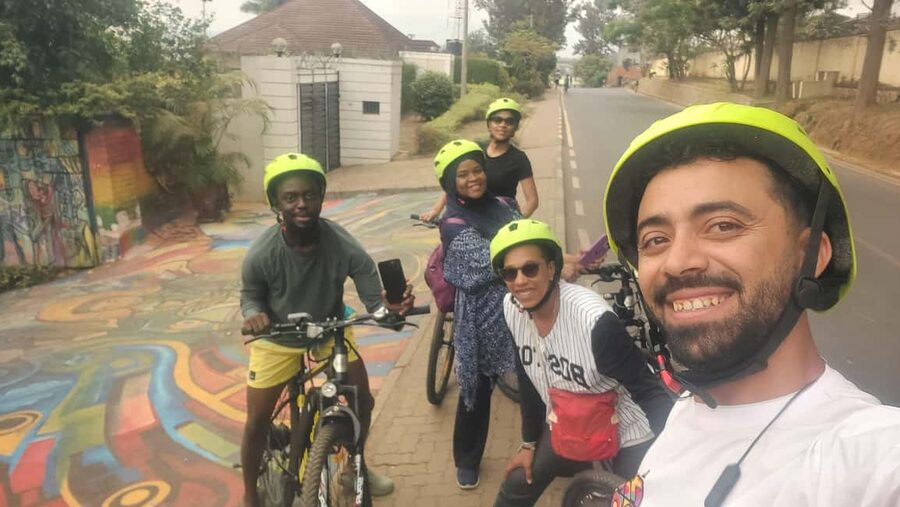
The tour includes a stop at the Belgian Peacekeepers Memorial, a place connected to the country’s painful modern history. The guide provides background on the genocide and Rwanda’s recovery, giving the ride more weight than a simple city outing.
This part calls for attention and respect. It is not a casual photo stop, even though you may have time to take pictures elsewhere along the route. A strong guide can help place the memorial within Kigali’s wider story, explaining both the event and its meaning today.
John is especially praised for explaining Rwanda’s past clearly and with feeling. Other guides, including Shark and Mohamed, are also described as passionate about the country and its people. Guide quality is a major part of the experience here. You are not only following a route. You are listening to someone interpret places that can be difficult to understand on your own.
Markets, neighborhoods, and meeting people
The route includes local markets and busy streets where you can see Kigali in ordinary motion. The appeal is not a staged cultural show. You may see people shopping, meeting friends, eating, resting in the shade, and getting on with the day.
Your guide can introduce the city’s customs and point out local details. You may also have time to speak with vendors, but this is not described as a formal market-shopping tour. If you want souvenirs, bring cash and keep purchases separate from the included tour services.
The neighborhood sections are among the best reasons to book. Kigali’s major sights matter, but the city makes more sense when you see how its districts connect. The ride can link central areas with older neighborhoods, food streets, viewpoints, art spaces, and roads that do not fit neatly into a standard sightseeing plan.
Guide quality and personal attention
The guide may be John, Shark, Mohamed, or another member of the team. John receives especially strong praise for his storytelling, city knowledge, friendliness, and attention to safety. Shark is described as relaxed, passionate, and good at adapting the experience to the rider. Mohamed is praised for his love of Rwanda and for the social benefits connected with the organization.
That personal element may be the tour’s biggest strength. The route itself is appealing, but a guide who can explain a memorial, point out an unusual sight, help with a difficult climb, and answer questions makes the ride far more useful.
The small group format helps. A private booking or very small group may allow more conversation and route adjustments. Pace can be adapted to experience, but the tour still has a set three-hour window, so do not expect to stop everywhere for long.
Safety, fitness, and the traffic question
You need comfortable shoes, comfortable clothing, and cycling clothing if you have it. A camera is useful for the viewpoints, and cash helps with personal expenses. Helmets and the e-bike rental are included.
The tour is not suitable for children under 16. It is also not recommended for people with mobility issues or pregnant women. Those restrictions make sense because you must mount and control a bicycle, ride over changing streets, and manage hills.
Traffic is the key practical concern. The ride is not presented as a fully separated cycle path. Some parts can be congested, and there may be no bike lane. Guides are described as safety conscious, and many people felt comfortable, but you should be able to steer, brake, and remain alert around vehicles.
If you are nervous about city cycling, contact the operator before booking. The motor helps with hills, not with traffic judgment. That distinction is important.
Is $39 a fair price?
At $39 per person, the tour offers three hours of guided sightseeing, an e-bike, helmet, cultural explanation, a breakfast stop, and a route across several parts of Kigali. For a small group of up to four, that is a strong price.
You are paying for more than bicycle hire. The value comes from the guide’s interpretation, the chance to reach areas outside a standard car route, and the time saved by using electric assistance on Kigali’s climbs. A self-guided rental might cost less, but it would not provide the same historical context or local orientation.
Hotel transfers are not included, though they can be arranged for an extra charge. Personal expenses and souvenirs are also separate. Free cancellation is available up to 24 hours before the activity, and you can reserve now and pay later, which helps if your Kigali schedule is still changing.
Should you book the Kigali e-bike tour?
Book it if you want to see Kigali actively, enjoy local food, and hear the city explained by a friendly guide. It is especially suitable for solo visitors, couples, and confident cyclists who want a broad introduction in a short period.
I would also recommend it to anyone who has only a limited stay in Kigali. The route can cover central streets, older neighborhoods, markets, views, pedestrian areas, and a memorial in one morning or afternoon.
Think twice if you dislike riding near traffic, cannot manage a three-hour cycling outing, or want a quiet vehicle-based tour. The e-bike reduces the effort, but Kigali’s hills and streets remain part of the experience. For the right rider, $39 buys a lively, thoughtful, and unusually personal way to meet the city.
FAQ
How long does the Kigali e-bike tour last?
The tour lasts three hours.
How much does the tour cost?
The price is $39 per person.
Where does the tour begin?
Meet at the NuttinTODO shop at Mundi Center. Look for the NuttinTODO sign.
Where does the tour finish?
The ride returns to Mundi Center.
What language is the tour offered in?
The live guided tour is offered in English.
How many people can join the tour?
The group is limited to four participants.
Are the e-bike and helmet included?
Yes. The tour includes an e-bike rental, helmet, bike tour, and a professional guide.
Is breakfast included?
A breakfast stop is part of the experience. Food described for the stop includes fresh bread, hummus, falafel, and other items, with some outings also featuring local foods, a Rolex-style sandwich, sugar cane juice, or ginger drink.
Is the tour suitable for children?
No. It is not suitable for children under 16.
Can I cancel the booking?
You can cancel up to 24 hours in advance for a full refund. You can also reserve now and pay later.
Just added in Kigali
- Traditional Drumming and Dancing Class★ 5.0 · 2 reviews
- Gorilla Trekking Adventure – A Day trip (Only transfer)★ 5.0 · 2 reviews
- Rwanda One Day Gorilla Trekking with Iby’iwacu Culture Visit★ 5.0 · 2 reviews
- One Day Mt Bisoke Hike Adventure in Volcanoes Park ( 2 Pax Min)★ 5.0 · 1 review
- From Kigali: 8 Hour Day-trip Lake Kivu Cruise Experience★ 4.5 · 3 reviews
- Bar Hopping Tour in Kigali Nightclubs★ 4.0 · 3 reviews
- Most Innovative Full-Day Kigali Yacu Experience★ 5.0 · 2 reviews
- Kigali City Tour and Sightseeing★ 5.0 · 3 reviews
City Tours, compared.


Private Full-day Kigali City Tour with Pickup and Lunch
Read our review →
Kigali City Tour: History, Art and Local Highlights.
Read our review →

Browse the lists this tour appears in