Reviewed · GUIDED
Kigali: Motorbike Guided Tour
Kigali is made for two wheels. This six-hour private ride links the city’s hills, memorials, markets, and art spaces with the freedom to stop often. I like the personal service, especially hotel pickup and drop-off, and I like the chance to see more than the usual central sights. The main drawback is that the $50 price is shown for a group of up to one person, so you should confirm exactly what your booking covers. Food and entry fees are not included, and the promise of bottled water and a rolex snack should also be checked before you set off.
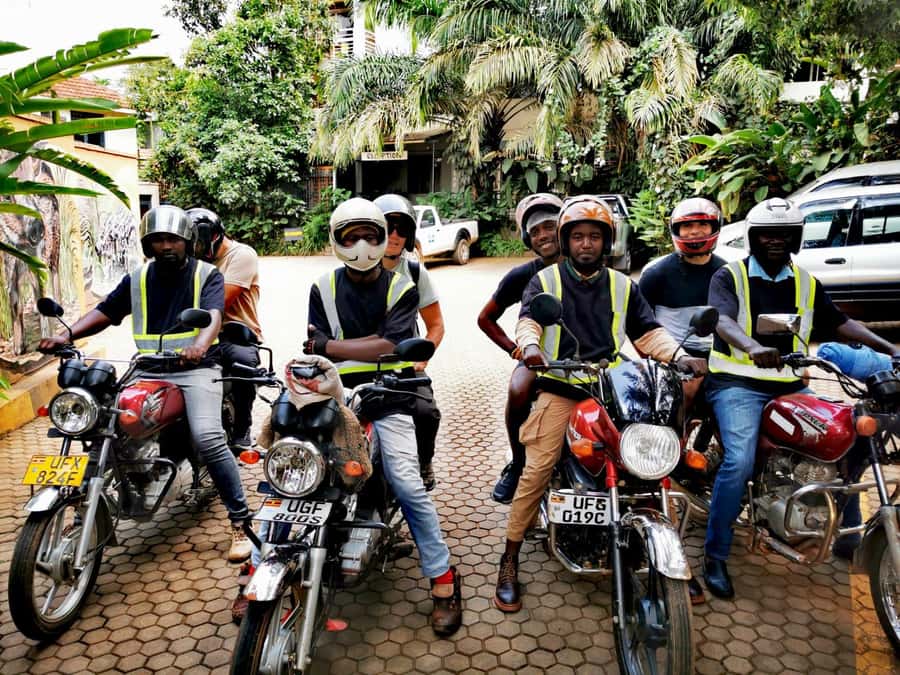
You ride with an English-speaking driver-guide, rather than following a large bus through Kigali. That makes it easier to ask questions, change the pace, and spend more time in places that catch your interest. Guides named in the feedback include Cedric, Japhet, and Sandra, each praised for care, friendly conversation, or smooth arrangements. The ride is not just sightseeing, though: the motorbike adds traffic noise, wind, and a close view of daily life.
In This Review
- Key points at a glance
- Why Kigali works so well from a motorbike
- Starting in the Kigali Car-Free Zone
- The Belgian Peacekeepers Memorial and Kigali’s public memory
- A short Kigali Province stop before the memorial
- Taking time at the Kigali Genocide Memorial
- Nyamirambo brings the ride back to daily life
- Kimironko Market in 35 useful minutes
- The named Nijo Eki Nishiguchi stop
- Inema Arts Centre and Kigali’s creative side
- Ending at the Convention Center Roundabout
- The guides are a large part of the value
- What the $50 price really means
- Who should book this ride
- Practical tips for a smoother day
- Should you book the Kigali motorbike tour?
- FAQ
- Where does the motorbike tour take place?
- How long does the tour last?
- What language does the guide speak?
- Is this a private tour?
- Is hotel pickup included?
- Is the motorbike included?
- Are food and drinks included?
- Are entry fees included?
- Which places are visited?
- Can I cancel for a refund?
- Can I reserve now and pay later?
Key points at a glance
- Kigali’s hills by motorbike: The raised roads give you broad views across neighborhoods and green surroundings, while the bike lets you cover a lot of ground in one day.
- A serious stop at the Genocide Memorial: This is the emotional center of the tour and needs more attention than a quick photo stop.
- Local life in Nyamirambo and Kimironko: These stops bring you closer to ordinary streets, shopping, and neighborhood activity.
- Private and adjustable: You have an English-speaking guide and a private group, so the day can be shaped around your interests.
- Careful riding matters: The guides are praised for safe, thoughtful driving, which is especially important if you are new to motorbike tours.
- Check the inclusions: Motorbike, guide, and hotel transfers are included, while food, drinks, and entry charges are not clearly covered.
Why Kigali works so well from a motorbike
Kigali is spread across a series of hills, and that shape changes how you see the city. From a car, you get a view through a window. From the back of a motorbike, you feel the climbs and descents, see more of the street, and can pause quickly for a photograph or short conversation.
I like this format for a first or second day in Kigali because it gives you a useful sense of the city’s layout. You move from central public spaces to memorial sites, markets, residential areas, and creative venues. The route also avoids making the whole day about one subject. You get difficult history, present-day culture, city views, and everyday commerce in one outing.
The six-hour length is substantial. It is long enough to see a large part of Kigali, but not so long that the day must become an endurance test. You should still expect a full day outdoors, with periods on the road between stops. If you want a slow museum visit at every location, this schedule may feel tight. If you want a broad first look at Kigali, it offers good range.
The private format is a major advantage. You are not locked into the interests or pace of a large group. You can ask for more time at a market, keep a photo stop short, or focus your questions on Rwanda’s recent past, local life, or art. The guide’s English is another practical plus, since the experience depends on conversation as much as on transport.
A few more options to weigh up in Kigali
- Kigali: Walking Tour with a Local Guide
★ 4.9 · 234 reviews - Kigali City Tour with a Local Guide and Driver
★ 5.0 · 49 reviews - Kigali: Guided Art, History, and Food Tour with Moto Ride
★ 4.9 · 34 reviews
Starting in the Kigali Car-Free Zone
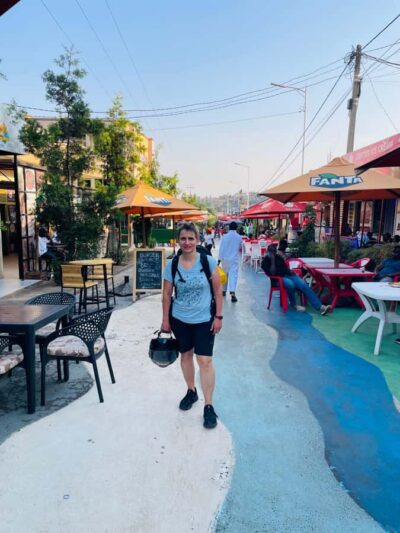
The tour begins with pickup in Kigali and a short stop in the city’s Car-Free Zone. You have about 10 minutes here for a break, photographs, and a guided introduction.
This is a sensible opening. It gives you time to settle onto the motorbike and get an initial feel for the city center before the route becomes more varied. A short stop also lets you check your comfort, helmet fit, and belongings before continuing.
Do not expect a long tour of the zone. Ten minutes is enough for a quick look and a few pictures, not for a detailed visit. Think of it as an orientation stop.
The Belgian Peacekeepers Memorial and Kigali’s public memory
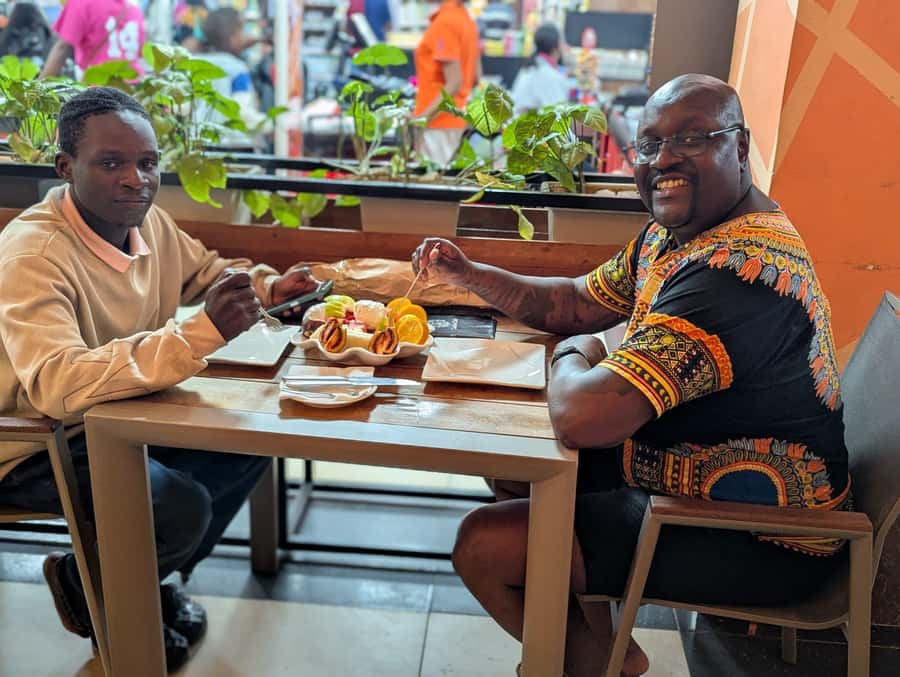
After about 10 minutes of riding, you reach the Belgian Peacekeepers Memorial. The scheduled stop lasts roughly 30 minutes and includes time for photographs, a guided explanation, and shopping.
The memorial adds an important layer to Kigali’s story. It is not simply another monument on a sightseeing route. Your guide can help place it within the wider events surrounding Rwanda’s 1994 genocide and the international presence in the country at that time. The stop is short, so ask questions early if this subject matters to you.
The shopping element is useful if you want to browse for a small item, but it may compete with the memorial’s more serious purpose. I would give the explanation priority and treat shopping as extra time if the schedule allows.
The emotional tone begins to change here. This is one reason a motorbike tour benefits from a thoughtful guide. You can move from a lively city street to a place of mourning without treating both stops as interchangeable photo opportunities.
A short Kigali Province stop before the memorial
The next stop is listed in Kigali Province, with about 25 minutes for photographs, a guided visit, and shopping. The name is broad rather than precise, so ask the provider what exact location you will visit on your date.
That uncertainty matters. The stop may be intended as a scenic or local shopping break, but the available details do not identify a specific attraction. Use it as a chance to ask your guide about the area and what you are seeing instead of expecting a defined museum or monument.
The transfer afterward is only about five minutes. That short ride keeps the route moving toward the Kigali Genocide Memorial.
A completely different kind of day:
- Kigali City Tour
★ 5.0 · 452 reviews - One-day Akagera National Park Game Drive with a Choice 4×4
★ 5.0 · 105 reviews - Private Full-day Kigali City Tour with Pickup and Lunch
★ 5.0 · 79 reviews - Kigali Walking Tour
★ 4.5 · 78 reviews
Taking time at the Kigali Genocide Memorial
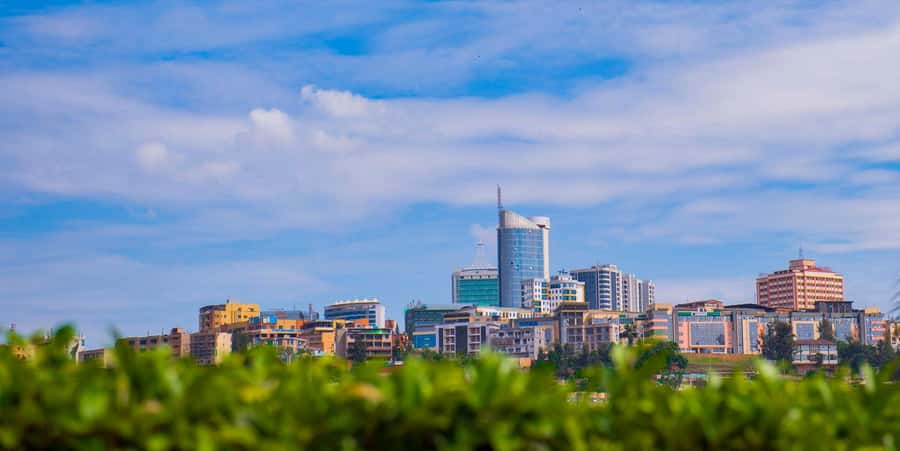
The Kigali Genocide Memorial is the most important stop on the route. The schedule lists photographs, guided sightseeing, and a walk, but it does not give a fixed number of minutes for the visit.
Plan your energy accordingly. The memorial is not a light sightseeing stop, and one review describes the experience as deeply moving and sad because of the detailed account of the 1994 genocide. You may find this the strongest part of the day, but it can also be emotionally demanding.
The best approach is to listen carefully and avoid rushing for photographs. Ask your guide to explain anything you do not understand, especially if you are unfamiliar with Rwanda’s history. The guide’s role is valuable here, but the memorial itself deserves quiet attention.
Because the schedule does not state whether admission is included, plan to pay any required entry fee separately. Entry fees are specifically excluded from the tour price.
Nyamirambo brings the ride back to daily life
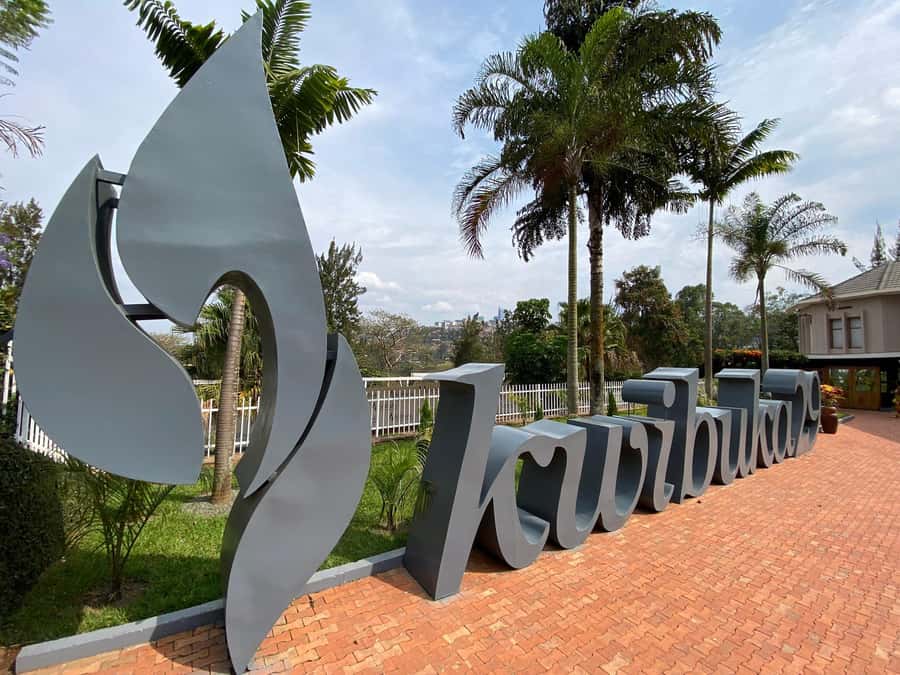
An eight-minute transfer takes you to Nyamirambo, where the plan allows about 30 minutes for a guided visit, free time, sightseeing, and walking.
This neighborhood section helps balance the memorial visit. Instead of looking at Kigali only through official sites, you see streets where people live, work, shop, and meet. The walking portion is important because a motorbike can show you the city quickly, but walking lets you notice smaller details.
You have free time here, though the available information does not specify a particular café, shop, or street. Your guide may tailor the stop to your interests. If you want local food, ask what is suitable, but remember that food is not included.
A motorbike is particularly useful around a stop like this. You do not need to spend the entire day on foot, and the short three-minute transfer to Kimironko Market keeps the route efficient.
Kimironko Market in 35 useful minutes
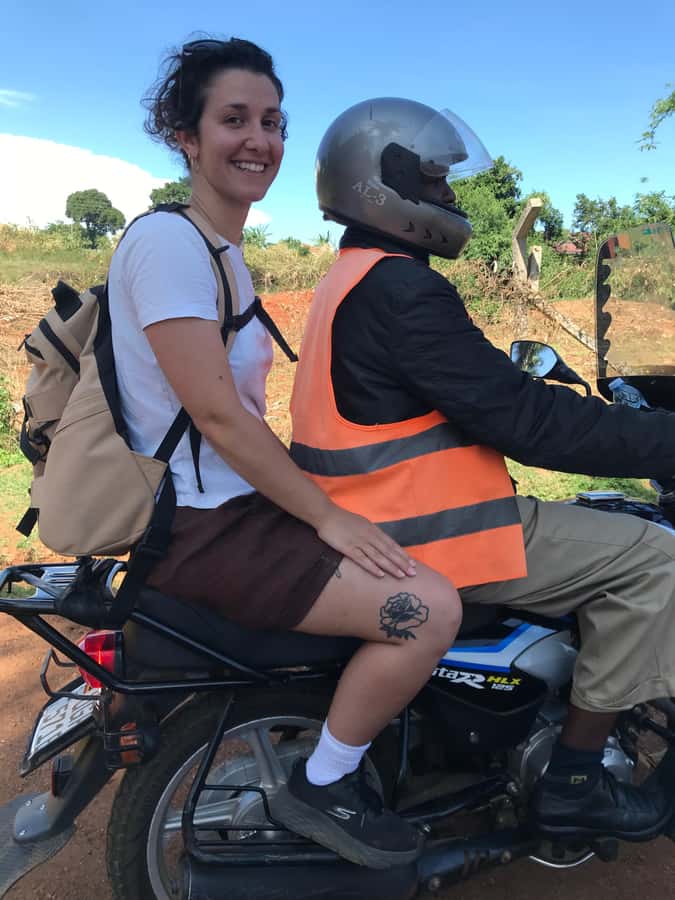
Kimironko Market gets one of the longer stops, about 35 minutes. You can visit, walk with the guide, browse, and have free time.
This is one of the strongest parts of the tour for seeing Kigali’s everyday commercial life. Markets can be crowded and energetic, so having a local guide helps you understand what you are seeing and keeps the visit from becoming a confusing wander. You may find clothing, food, household goods, and other items, but the exact shopping experience can change from day to day.
Thirty-five minutes is enough for an introduction, not a leisurely market expedition. Decide in advance if you care more about photographs, shopping, or conversation. If you start buying items, keep track of your time and belongings before the group returns to the bikes.
The market also gives you a useful contrast with the city’s polished public areas. Kigali is organized and orderly in many places, but this stop shows the practical, busy side of urban life.
The named Nijo Eki Nishiguchi stop
After about eight minutes on the road, the itinerary identifies a 25-minute stop as Nijo Eki Nishiguchi. The name may be a transcription or mapping error because the supplied details do not explain the location in Kigali.
You should ask for clarification before booking if this stop is important to you. The plan includes a break, photographs, and a guided visit, so it appears to be intended as a viewing or orientation point rather than a long attraction visit.
A further 20-minute visit follows, with guided sightseeing, but no destination name is provided. That missing name is another reason to request the exact route from TWIJA AFRICA SAFARIS. A good private tour should make it clear where you are going, especially when one stop is not identifiable.
This is not necessarily a flaw in the experience itself. It is a planning gap in the information available to you. Clear details help you decide if the route matches your interests.
Inema Arts Centre and Kigali’s creative side
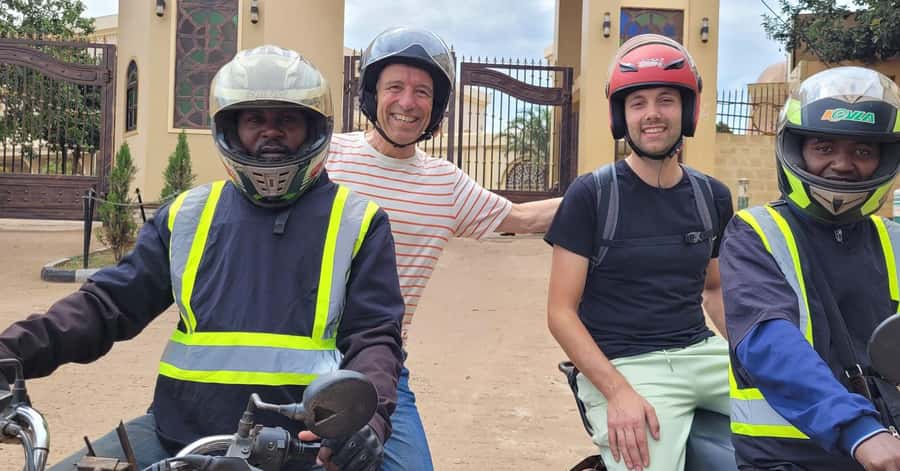
The route then moves for about 12 minutes to Inema Arts Centre. You get roughly 20 minutes for photographs, a guided visit, and free time.
Inema is a welcome change of pace after the memorial and market. It brings art into the day and gives you a way to see how Kigali presents contemporary creativity. A short visit lets you look around and ask the guide about the work, but it may not satisfy you if you want a long gallery session.
I would use this stop to slow down. You have already covered several parts of the city, and art is easier to appreciate when you are not treating it as another quick checkpoint. If you find a piece or style you like, ask whether there is time to browse longer.
The four-minute transfer afterward is brief, so the route remains compact rather than wasteful.
Ending at the Convention Center Roundabout
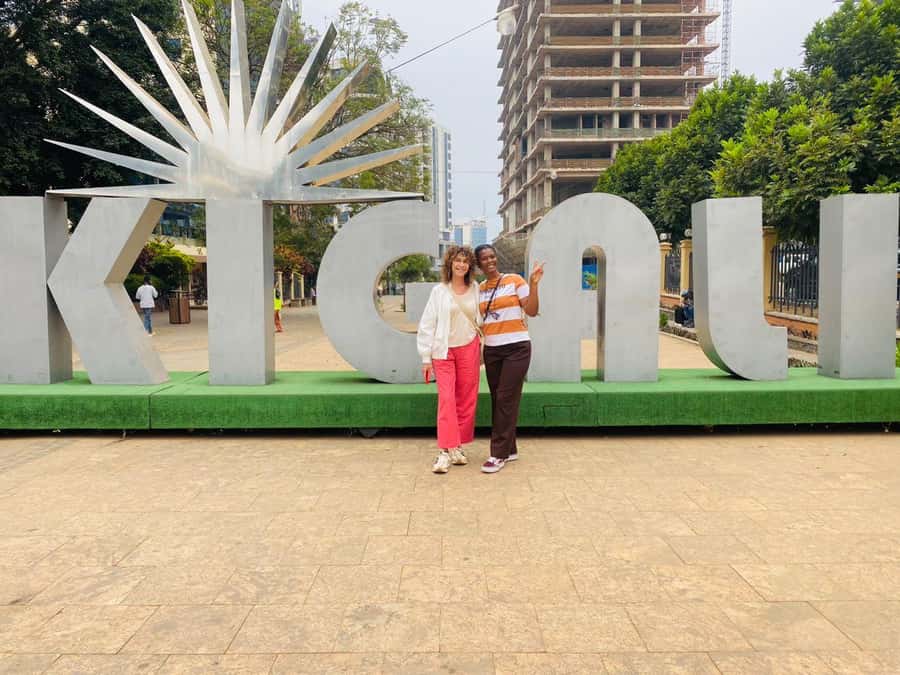
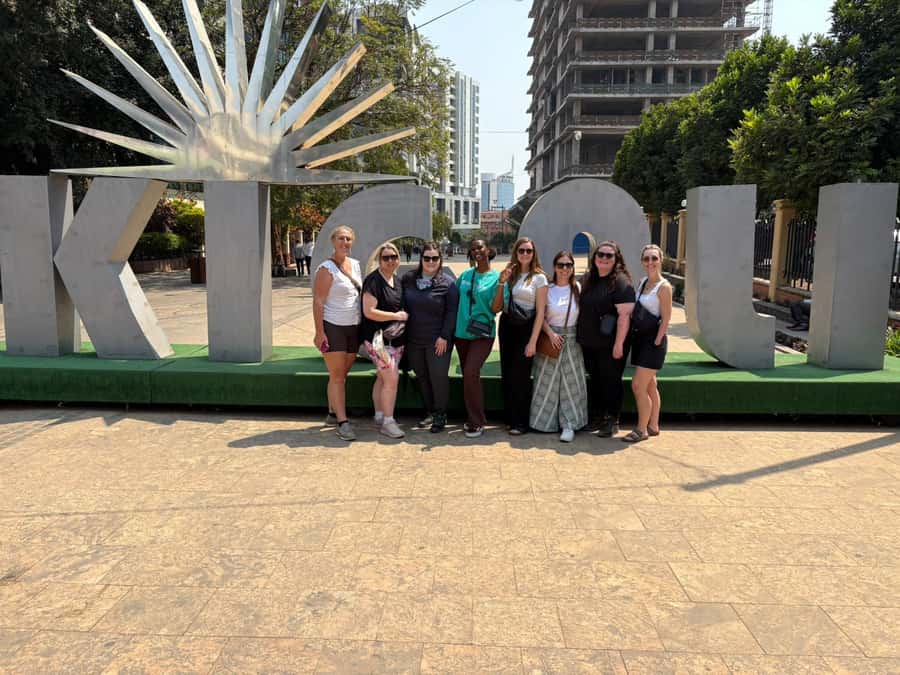
The final major stop is the Convention Center Roundabout, with about 30 minutes for a break, guided commentary, and walking. This is a good closing point because it brings you back to a recognizable central area after the more varied neighborhood visits.
You can use the stop to take final photographs, ask remaining questions, and compare the different parts of Kigali you have seen. The seven-minute ride back to Kigali then closes the loop.
A half-hour stop near the end also gives you a chance to rest. Six hours on a motorbike can leave you ready for a pause, even if the riding itself is enjoyable.
The guides are a large part of the value
The strongest praise concerns the people running the tours. Cedric is described as careful and clear in his explanations. Japhet is singled out for warm conversation about Rwandan life, culture, and the country’s changes since the genocide. Sandra is praised for a smooth hotel pickup, patience, and continued help after the tour, including arranging a driver to return one rider.
These details matter more than polished sales language. A motorbike tour is only as good as the person controlling the pace and explaining the stops. The feedback suggests that the guides are not simply drivers who point at buildings. They can make the day feel personal and help you connect the memorial, neighborhoods, and market to modern Rwanda.
You should request a preferred guide when booking, but understand that availability is not guaranteed. Japhet, Cedric, and Sandra are the names with the clearest positive comments. You can also explain your interests in advance, such as history, markets, photography, art, or local conversation.
Safety is another strong point. One rider specifically praised the motorbike drivers for careful and responsible work. That does not remove the normal risks of riding in city traffic, but it is reassuring. If you feel uneasy, say so early and ask the driver to adjust the pace.
What the $50 price really means
The advertised price is $50 per group up to one person. That wording suggests a private solo booking, but it is unusual enough that you should confirm the final cost and passenger arrangement before paying.
For a six-hour private experience with a motorbike, an English-speaking guide, and hotel pickup and drop-off, the price can represent strong value if all listed inclusions apply. You are paying for transport, local guidance, route planning, and the ability to see many parts of Kigali in one day. A private format is usually more useful than a low-cost group ride if you want questions answered or the schedule adjusted.
The exclusions are important. Food, drinks, and entry fees are not included. The tour description also says you receive bottled water and snacks such as rolex, which conflicts with the separate exclusion of food and drinks. Ask directly what will be supplied and bring extra cash for anything not covered.
The flexible booking terms add practical value. You can cancel up to 24 hours ahead for a full refund, and the reserve-now, pay-later option lets you hold a place without paying at once. Check the starting time when you choose your date.
Who should book this ride
I would recommend it most to a solo visitor or private pair who wants a broad introduction to Kigali and enjoys seeing a city from the road. It suits you if you like short stops, local neighborhoods, scenic views, and conversation with a guide more than a long stay at one museum.
It is also a good choice if you have limited time. The route covers the Car-Free Zone, memorials, Nyamirambo, Kimironko Market, Inema Arts Centre, and a central roundabout in six hours. You get a useful first picture of Kigali without arranging several separate taxis.
You should think twice if you dislike motorbikes, have difficulty sitting for long periods, or want detailed time at every attraction. The tour has many transfers and several brief stops. The missing details for two locations may also frustrate you if you need a precise schedule.
The Genocide Memorial makes this unsuitable for anyone seeking only light entertainment. The day includes serious historical material, and you should be ready for an emotional visit.
Practical tips for a smoother day
- Ask about the unnamed stops: Confirm the exact locations listed as Kigali Province, Nijo Eki Nishiguchi, and the unnamed 20-minute visit.
- Clarify refreshments: The description promises bottled water and rolex snacks, while the exclusions say food and drinks are not included.
- Request a guide: Japhet, Cedric, and Sandra receive especially warm praise, though availability may vary.
- Protect the memorial time: Treat the Kigali Genocide Memorial as a major visit, not just a photo stop.
- Carry money for extras: Entry fees, food, and drinks are excluded.
- Use the private format: Tell the guide if you prefer markets, art, history, views, or neighborhood walks.
- Check the price wording: Confirm how the $50 group-of-one rate applies to your booking.
Should you book the Kigali motorbike tour?
Book it if you want a flexible, people-focused introduction to Kigali and feel comfortable on a motorbike. The combination of careful drivers, hotel transfers, English guidance, city views, markets, memorials, and art gives you a lot of ground and variety in six hours.
I would not book it without clarifying the price, refreshments, entry fees, and two or three unclear stop names. Once those points are settled, the tour looks like a strong option for a solo visitor who wants more than a car window view. The perfect five-star rating from four bookings supports the good impression, especially the praise for Japhet, Cedric, and Sandra, but the small number of ratings means you should still judge the experience against your comfort with motorbike travel and emotionally serious history.
FAQ
Where does the motorbike tour take place?
The tour takes place in Kigali Province, Rwanda, with pickup in Kigali and return to Kigali at the end.
How long does the tour last?
The experience lasts six hours.
What language does the guide speak?
The live tour guide speaks English.
Is this a private tour?
Yes. The activity is offered for a private group, with the listed price shown for a group of up to one person.
Is hotel pickup included?
Yes. Hotel pickup and drop-off are included.
Is the motorbike included?
Yes. The motorbike and guide are included.
Are food and drinks included?
The inclusions state that food and drinks are not included. The description also refers to bottled water and snacks such as rolex, so you should confirm this detail with TWIJA AFRICA SAFARIS before departure.
Are entry fees included?
No. Entry fees are not included.
Which places are visited?
The route includes the Kigali Car-Free Zone, Belgian Peacekeepers Memorial, Kigali Genocide Memorial, Nyamirambo, Kimironko Market, Inema Arts Centre, and Convention Center Roundabout. It also lists stops in Kigali Province, Nijo Eki Nishiguchi, and one unnamed location.
Can I cancel for a refund?
You can cancel up to 24 hours in advance for a full refund.
Can I reserve now and pay later?
Yes. The booking terms allow you to reserve the tour and pay later.
Just added in Kigali
- Traditional Drumming and Dancing Class★ 5.0 · 2 reviews
- Gorilla Trekking Adventure – A Day trip (Only transfer)★ 5.0 · 2 reviews
- Rwanda One Day Gorilla Trekking with Iby’iwacu Culture Visit★ 5.0 · 2 reviews
- One Day Mt Bisoke Hike Adventure in Volcanoes Park ( 2 Pax Min)★ 5.0 · 1 review
- From Kigali: 8 Hour Day-trip Lake Kivu Cruise Experience★ 4.5 · 3 reviews
- Bar Hopping Tour in Kigali Nightclubs★ 4.0 · 3 reviews
- Most Innovative Full-Day Kigali Yacu Experience★ 5.0 · 2 reviews
- Kigali City Tour and Sightseeing★ 5.0 · 3 reviews
Guided, compared.
Guided Art, History, and Food Tour with Moto Ride
Read our review →
Private Half-Day Guided Kigali City Tour with Coffee Break Included
Read our review →
1 Day Guided Gorilla Trekking Safari Experience in Rwanda
Read our review →