

Reviewed · MOUNT BISOKE HIKES
3 Day Rwanda with Bisoke Hike, Twin Lakes & Beekeeping
Volcano views come with serious legwork. This three-day Rwanda experience combines a demanding climb of Mount Bisoke, a quieter day beside Lake Burera and Lake Ruhondo, and hands-on beekeeping in rural communities. I like the strong mix of outdoor activity and local life, and I like that private transport, a site permit, a guide, water, and three lunches are included. The main caution is that the schedule can be ambitious, and the second day may not always follow the published plan exactly, so confirm the details before setting out.
At $861.54 per person, this is not a budget excursion. Still, the cost covers transport from Kigali, guiding, the Bisoke permit, and several substantial activities across three days. I would consider it good value for someone who wants a private, ready-made route rather than arranging each transfer and activity alone. You will need moderate physical fitness, and hotel stays and breakfasts are extra.
In This Review
- Key points before you book
- Why this three-day route works
- Day one: climbing Mount Bisoke from Kinigi
- A climb through changing vegetation
- Musanze and the northern volcano country
- Day two: Burera and Ruhondo by foot and boat
- Learning how Rwanda turns nectar into income
- Day three: Rulindo and the journey back
- What the $861.54 price really covers
- Fitness, weather and what to prepare for
- Who should choose this experience?
- Should you book the Bisoke, Twin Lakes and beekeeping tour?
- FAQ
- Where does the tour start?
- How long does the experience last?
- How difficult is the Mount Bisoke hike?
- How high is Mount Bisoke?
- What is located at the top of Mount Bisoke?
- Are accommodation and breakfast included?
- What happens if bad weather cancels the tour?
Key points before you book
- Mount Bisoke reaches 3,711 meters: The climb is strenuous, with a typical walking time of five to seven hours, including the return.
- Lake Ngezi is the reward at the top: The crater lake sits inside the extinct volcano and gives the hike a clear goal.
- The vegetation changes as you climb: You move from bamboo forest through Hagenia and Hypericum forest toward Senecio and Lobelia bush near the summit.
- The Twin Lakes day is more than a photo stop: You may have time for a nature walk, bird watching, fishing, and a sunset boat ride.
- Beekeeping adds a useful community angle: In Gakenke and Rulindo, you learn how honey is made, from hive construction to harvesting.
- Rain can change the mood and the plan: One published comment praised the added fun of intermittent rain on Bisoke, but wet weather can also affect timing and the lake program.
Why this three-day route works
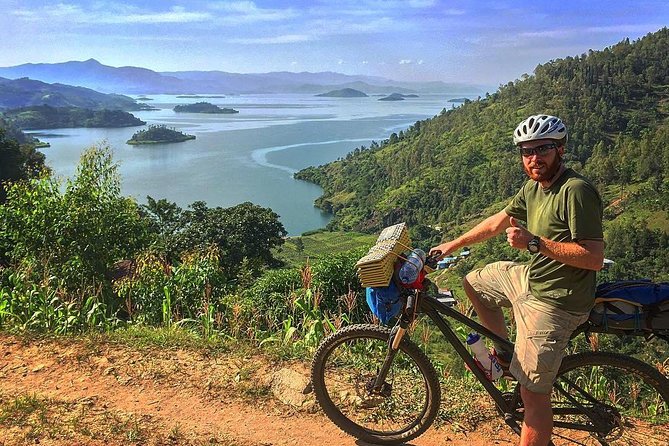
Rwanda is compact enough to connect very different experiences in a short trip. This route begins in Kigali, heads north toward Musanze and Volcanoes National Park, then returns through the countryside for lakeside time and beekeeping. You get mountain scenery, high-altitude exercise, water views, and an introduction to a longstanding rural trade.
The appeal is the contrast. Mount Bisoke asks for effort and patience. The Twin Lakes offer a slower day with water, hills, birds, and a cruise. The beekeeping visits shift the focus from scenery to work, food, income, and traditional practice.
This is a private tour, so only your group participates. That matters on a hike. Your guide can brief your group at the park headquarters in Kinigi, and the pace may feel more personal than it would in a large departure. Still, private does not mean easy. The mountain sets the rules, and the altitude will matter more than the size of your group.
The schedule also needs a close look. The Bisoke activity is described as about six hours, while the climb itself can take five hours to a full day depending on your pace and stops. The Twin Lakes program is listed as nine hours, and the beekeeping stop is described as six hours on one day and five hours on another. Those figures may include driving and time spent at several points, but you should ask for the exact daily timetable before paying.
More volcano hikes:
- Full day Mt. Bisoke hike
★ 5.0 · 6 reviews - A day trip _ Mount Bisoke Hike Adventure
★ 5.0 · 5 reviews - 1-Day Bisoke Volcano Hiking Experience
★ 4.0 · 4 reviews
Day one: climbing Mount Bisoke from Kinigi
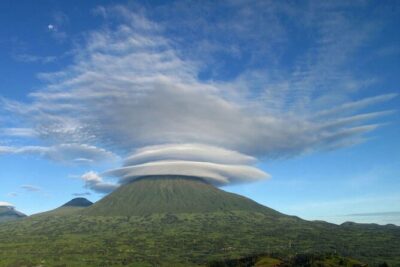
The first major stop is Mount Bisoke, also called Visoke, one of the volcanoes in the Virunga range. It rises to 3,711 meters and has the classic cone shape many people picture when they think of a volcano. Inside its crater is Lake Ngezi, a deep crater lake that serves as the high point of the excursion.
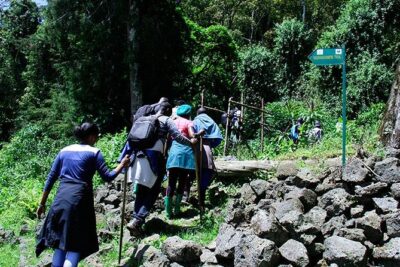
Your day begins with an early transfer from Kigali International Airport or your hotel, followed by the drive toward the park headquarters in Kinigi. Groups assemble there at 7 a.m. A guide is assigned to each group and explains the activity before you start walking.
That early meeting time is important. You should not treat this as a casual morning stroll followed by lunch. The climb is the centerpiece of the trip, and the length depends on your fitness, the weather, the condition of the path, and how often you stop. The published estimate gives around three hours for the ascent and roughly two hours for the descent, with the full outing commonly lasting five to seven hours.
Experienced hikers may finish the climb and return in less than four hours, but that is not a useful target for most people. If you need regular breaks, plan around the longer estimate. You will enjoy the day more if you walk steadily instead of trying to match someone else’s pace.
A climb through changing vegetation
One of Bisoke’s best features is the change in plant life as you gain height. The route begins in bamboo forest, then passes through Hagenia and Hypericum forest. Near the summit, the vegetation changes again to Senecio and Lobelia bush.
This progression gives the hike more interest than a simple uphill march. You can watch the forest thin and change as the altitude rises, while the volcano’s shape becomes more apparent around you. The final section can feel especially demanding because you are higher, the slope remains serious, and the air is thinner.
The goal is Lake Ngezi, not simply the summit marker. Reaching the crater lake gives you a natural pause before the descent. Exact visibility will depend on weather, and the mountain can be wet. Rain is not unusual in the account provided for this experience, and one person found that showers made the Bisoke trek more fun. That is a fair way to look at it, provided you have the right clothing and accept that the trail may become harder.
The return takes about two hours for an inexperienced hiker. Your knees may notice the descent more than the climb, so save some energy for coming down. The operator describes the required fitness level as moderate, but I would interpret that as moderate fitness for a long, high-altitude hike, not moderate fitness for general sightseeing.
Musanze and the northern volcano country
After the hike, the route includes time in Musanze District. Ruhengeri, also known as Musanze, is the main city and the gateway to Volcanoes National Park. The wider area includes several forested volcanoes, including Mount Karisimbi, and the region is known for mountain gorilla and golden monkey activities, though neither is included in this package.
The itinerary allows about two hours in Musanze. This gives you a useful connection between the mountain and the next day’s lake visit. It also puts you near the northern volcanoes rather than sending you straight back to Kigali after the hike.
Musanze is not presented as a full city tour, so keep your expectations measured. This is a stopping point within a wider route, not a detailed cultural visit. The value is its location and its connection to the volcano country.
A completely different kind of day:
- Kigali City Tour
★ 5.0 · 452 reviews - Kigali: Walking Tour with a Local Guide
★ 4.9 · 234 reviews - One-day Akagera National Park Game Drive with a Choice 4×4
★ 5.0 · 105 reviews - Private Full-day Kigali City Tour with Pickup and Lunch
★ 5.0 · 79 reviews
Day two: Burera and Ruhondo by foot and boat
The second day begins after an early breakfast, with a planned 7 a.m. departure from Musanze. You drive to Lake Burera and Lake Ruhondo, two large lakes at the base of Mount Muhabura near the Rwanda and Uganda border.
A narrow strip of land, about one kilometer wide, separates the lakes. Their blue water is framed by the high hills of the Virunga area. The setting should appeal to you if the Bisoke hike sounds like the most intense part of the trip and you want a day with more breathing room.
The program includes a nature walk, bird watching, fishing, and a later sunset cruise. The boat ride is intended to provide views of the volcanoes while you have cold drinks and snacks. This gives the day a pleasant rhythm: walking first, time by the water, then a slower finish as the light changes.
I like this part of the route because it adds variety without abandoning the northern Rwanda setting. You are still surrounded by volcanic hills, but the focus shifts from reaching a summit to observing the area at a calmer pace.
There is one practical warning. The published experience includes a specific comment that the second day did not follow the stated itinerary, with advice to confirm the arrangements in advance. That is the most useful detail to act on. Before you go, ask what time the cruise will run, if fishing is planned or optional, and how much time is allowed for the walk and bird watching.
Do not assume every listed activity will receive equal time. The day includes a long drive and is described as about nine hours, so a change in order or timing may be necessary. If the boat ride matters most to you, say so clearly when confirming the trip.
Learning how Rwanda turns nectar into income
The beekeeping section takes place in Gakenke and Rulindo. It gives the trip a human and practical side that many nature itineraries lack.
Beekeeping has been practiced in Rwanda across generations. Traditionally, honey served as food, medicine, and an ingredient in local liquor. The activity also provides income for communities, which makes the visit more than a demonstration for tourists.
You learn the process from making a beehive through to harvesting fresh honey. That simple sequence gives you a better understanding of the work behind a jar of honey. Bees collect nectar from flowers, and the resulting honey contains about 80 to 85 percent sugars that the body can absorb easily.
The tour information also explains uses for honey as an energy food, sweetener, and traditional remedy for coughs, ulcers, wounds, and sore throats. Honey is also used in baking and valued for its distinct flavor. The visit should suit you if you enjoy seeing how a local product connects food, health, and household income.
The schedule lists six hours for the Gakenke beekeeping experience on day two and five hours for Rulindo on day three. Since the route also involves driving, confirm whether these times refer to the full outing or the time at the beekeeping site. That clarification will help you understand how much time you actually have for the hive-building and honey-harvesting activities.
Day three: Rulindo and the journey back
On the final day, your driver-guide collects you from your hotel and takes you to Rulindo for another beekeeping experience. This is a more focused continuation of the rural section, with attention to honey production from the construction of the hive through to fresh harvesting.
The day is listed at about five hours. That makes it less physically demanding than Bisoke, but you should still allow for road time. The package ends back at the meeting point, with Kigali International Airport given as the start location.
This final stop works well for a departure day only if your flight plans leave enough space. The supplied details do not promise a fixed airport arrival time, so do not schedule a tight international connection immediately after the activity. A hotel checkout and airport transfer should be discussed with the operator in advance.
What the $861.54 price really covers
The listed price is $861.54 per person. Because this is a private three-day trip, the value depends heavily on the size of your group. A solo visitor or couple will pay more per person than a larger private group, though group discounts are offered.
Included are private transport, a site permit, an English or French-speaking guide, water, and three lunches. The Bisoke permit is especially important because it is tied to the main activity and saves you from handling that part separately.
Hotel accommodation and breakfast are not included. That changes the real cost of the trip. You need to add two nights of lodging, breakfasts, and any drinks or snacks not covered during the lake cruise. The tour does provide lunch, but the available information does not specify restaurants or menus.
I see the strongest value here in the bundled transport and guiding. Moving from Kigali to Kinigi, Musanze, the Twin Lakes, Gakenke, and Rulindo would take planning and coordination if arranged independently. You are paying for that structure as well as for the activities.
If your main goal is only Mount Bisoke, a shorter hiking package may be more economical. If you want a broad northern Rwanda experience with private transport and community-based activities, the three-day format makes better sense.
Fitness, weather and what to prepare for
The tour requires moderate physical fitness, but Bisoke deserves a more serious warning than that phrase suggests. You may walk for up to seven hours at high elevation, with a steep ascent and a long descent. The route’s vegetation changes with height, and the summit area can be affected by rain.
Build your expectations around a full day outside. Comfortable walking clothes, protection from rain, and water are sensible choices, even though water is included. The operator supplies water and lunch, but the provided details do not list clothing, walking poles, or other hiking equipment.
Rain can add charm, as one account of the experience makes clear, but it can also slow the hike and affect visibility. The tour requires good weather, and poor conditions may lead to a different date or a full refund. That policy gives you some protection, but you still need flexibility in your wider Rwanda plans.
Who should choose this experience?
I would recommend it to you if you want three different sides of northern Rwanda in one booking: a serious volcano hike, scenic lake time, and a working rural activity. It suits active visitors who are happy to trade some comfort and predictability for a fuller range of experiences.
It is also a good fit for a private group that values its own vehicle and guide. English and French guiding are available, and pickup is offered from Kigali International Airport or a hotel.
I would hesitate if you dislike early starts, long drives, changing schedules, or strenuous walking. I would also think twice if your hotel and flight plans are fixed tightly, since the route covers a lot of ground and the exact timing of the lake and beekeeping programs should be confirmed.
Cancellation is free up to 24 hours before the start time for a full refund. Changes or cancellations inside that 24-hour window are not accepted for a refund. The operator may also reschedule or refund the trip if weather is poor or the minimum number of participants is not reached.
Should you book the Bisoke, Twin Lakes and beekeeping tour?
Book it if you want a packed but varied introduction to Rwanda beyond Kigali. Bisoke supplies the challenge, the Twin Lakes provide the most relaxing scenery, and beekeeping gives you a direct connection to local work and food production.
Before booking, confirm the day-two schedule, the exact hotel pickup, and how the listed activity hours relate to driving time. If you are fit enough for a long mountain hike and can stay flexible, the price can be justified by the private transport, permit, guide, lunches, and range of experiences. If you want a relaxed holiday with firm timings, choose a shorter or more narrowly focused trip instead.
FAQ
Where does the tour start?
The meeting point is Kigali International Airport on KN 5 Road in Kigali. Pickup is also offered from a hotel.
How long does the experience last?
The tour lasts approximately three days.
How difficult is the Mount Bisoke hike?
The hike requires moderate physical fitness. The full excursion can take five hours to a full day, while the stated typical duration is about six to seven hours, including roughly two hours of descent.
How high is Mount Bisoke?
Mount Bisoke reaches 3,711 meters.
What is located at the top of Mount Bisoke?
A crater lake known as Lake Ngezi is located inside the volcano’s crater.
Are accommodation and breakfast included?
No. Hotel accommodation and breakfast are not included. Lunch, including three lunches, is included.
What happens if bad weather cancels the tour?
If poor weather causes cancellation, you will be offered a different date or a full refund. You can also cancel up to 24 hours before the start time for a full refund.
More Hikes in Kigali
- Mount Kigali Hike and Zipline Adventure Tour(Pick up &drop off)
★ 5.0 · 37 reviews - 3 Day Gorilla Trek at Bwindi National Park via Kigali
★ 5.0 · 32 reviews - 1 Day Rwanda Gorilla Trekking Tour In The Volcanoes National Park
★ 5.0 · 31 reviews - 2 Day Gorilla Trekking Safari in Uganda via Kigali
★ 5.0 · 26 reviews
Just added in Kigali
- Gorilla Trekking Adventure – A Day trip (Only transfer)★ 5.0 · 2 reviews
- Rwanda One Day Gorilla Trekking with Iby’iwacu Culture Visit★ 5.0 · 2 reviews
- Traditional Drumming and Dancing Class★ 5.0 · 2 reviews
- One Day Mt Bisoke Hike Adventure in Volcanoes Park ( 2 Pax Min)★ 5.0 · 1 review
- From Kigali: 8 Hour Day-trip Lake Kivu Cruise Experience★ 4.5 · 3 reviews
- Most Innovative Full-Day Kigali Yacu Experience★ 5.0 · 2 reviews
- Bar Hopping Tour in Kigali Nightclubs★ 4.0 · 3 reviews
- Imigongo (cow dung art) Experience★ 5.0 · 1 review
Mount Bisoke Hikes, compared.
One Day Mount Bisoke Hike Adventure Tour in Volcanoes Park
Read our review →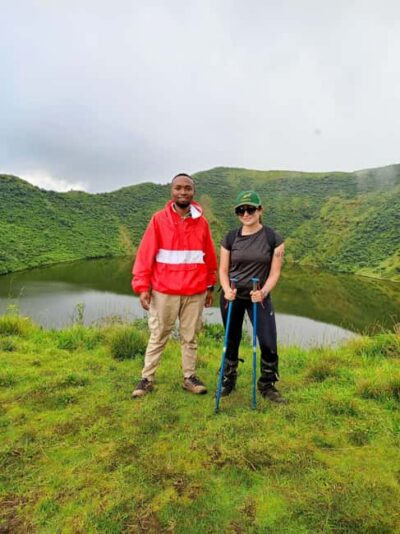
One Day Mt Bisoke Hike Adventure in Volcanoes Park ( 2 Pax Min)
Read our review →Browse the lists this tour appears in