
Reviewed · VOLCANOES NATIONAL PARK TOURS
Half-Day Mukungwa River Canoe Trip from Musanze
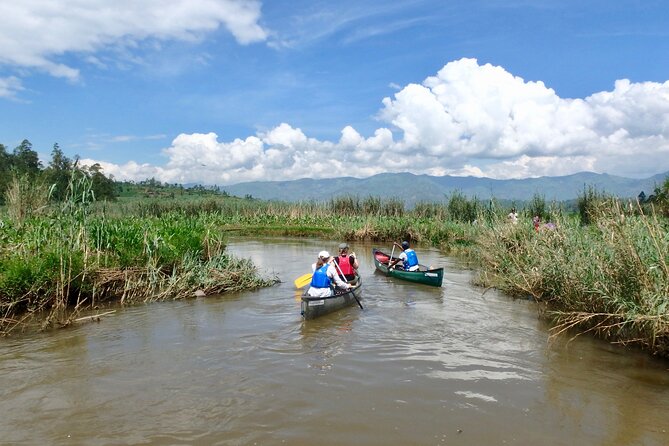
Leave the gorilla trails behind for a few hours. The Mukungwa River canoe trip offers a quiet look at northern Rwanda, where green hills, farms, villages, birds, and occasional small rapids fill the view. I like the peaceful pace and the chance to see daily rural life from the water rather than through a vehicle window. I also like that beginners can join, with guides handling the route and safety briefing.
The main caution is water and road conditions. One account describes brown water and rubbish in part of the river, while another raises concern about children throwing rocks from the bank. Those reports do not match the many positive accounts of a well-run, safe outing, but they are worth keeping in mind. Bring clothes that can get wet, protect your phone, and ask about current river conditions before setting out.
The experience costs $75 per person and usually runs for about six hours, with pickup and drop-off from designated points around Musanze. Groups are limited to eight people, which helps keep the outing personal. Guides including Eve, Yves, Sharon, Benjamin, and Eloi have been praised for clear instruction, good English, local knowledge, and careful attention to safety.
In This Review
- What makes this canoe trip worth your time
- A quieter side of northern Rwanda
- What the six-hour schedule really means
- The first three hours on the Mukungwa River
- Small rapids, teamwork, and a few wet moments
- Twin Lakes Recreational Island and the second water setting
- Wildlife watching without a safari vehicle
- Safety, river conditions, and the honest drawbacks
- Is $75 a fair price?
- Who should book this outing?
- Final decision: book it for the view, not the thrills
- FAQ
- Where does the Mukungwa River canoe trip take place?
- How long does the canoe trip last?
- Is hotel pickup included?
- Can private transport from Kigali be arranged?
- How much does the experience cost?
- Do I need canoeing experience?
- What is the minimum age?
- What should I wear?
- Can I see birds and otters?
- What is the cancellation policy?
What makes this canoe trip worth your time
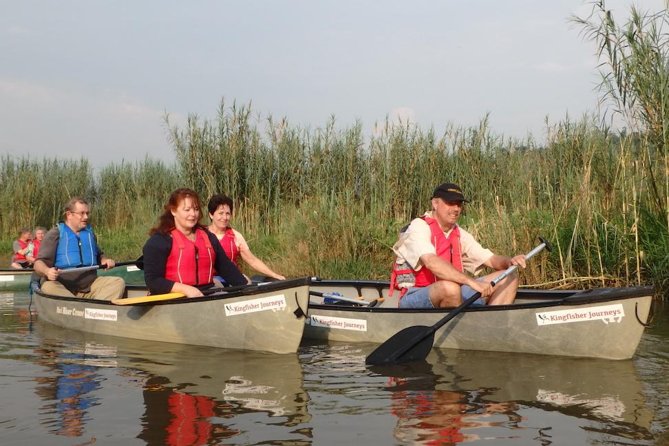
- The river reveals rural Musanze: You pass farms, fields, villages, fishing spots, and people going about ordinary work.
- Birds are a major attraction: Kingfishers, herons, and other native species may appear along the banks, and otters have occasionally been spotted.
- Small rapids add just enough action: Most of the route is calm, but faster sections and rapids under a road bridge can bring splashes and teamwork.
- No canoeing background is needed: Guides give a briefing and help you manage the canoe, making this suitable for first-timers.
- The group stays small: A maximum of eight people allows more room for questions and closer help from the guide.
- It works well after a demanding hike: Several people have chosen it after climbing Bisoke or visiting gorillas, when a gentler outdoor activity sounds appealing.
A quieter side of northern Rwanda
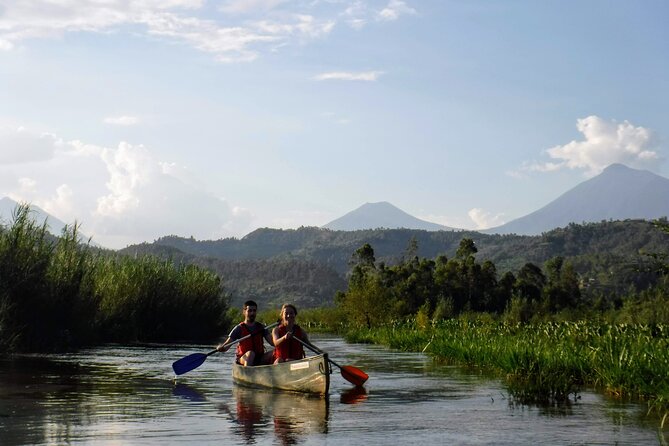
Musanze is best known as the base for gorilla trekking and volcano hikes. Those are powerful experiences, but they can also be early, tiring, and expensive. The Mukungwa trip offers a different kind of afternoon. You are not searching for a rare primate or pushing toward a summit. You are watching the countryside move slowly past.
From a canoe, the river gives you a low, open view of the area. Farms and hills stretch beyond the banks. You may see residents working fields, collecting grass for cattle, fishing, or washing. These are simple scenes, but they help you understand how people use the land and water around Musanze.
I especially like this as a change of rhythm during a Rwanda trip. After a busy day of driving or a strenuous hike, sitting in a canoe with a steady current does not feel like another major expedition. The route still has enough movement to keep you alert, particularly where the flow quickens, but most of the trip is described as calm and manageable.
More paddling in Volcanoes National Park:
- 2-Day Private Lake Kivu Kayaking and Holy Rocks from Kigali
★ 5.0 · 2 reviews
What the six-hour schedule really means
The published duration is about six hours. The detailed plan describes roughly three hours with Kingfisher Journeys on the Mukungwa River and three hours at Twin Lakes Recreational Island. Since the experience is presented as a Mukungwa River canoe trip, this breakdown may reflect transport, staging, or two related water-based sections rather than six continuous hours of paddling.
That distinction matters. Six hours on the water would be a long time for a first canoe outing, while a three-hour paddle followed by another activity or transfer feels more reasonable. I would confirm the exact route and timing with Kingfisher Journeys before booking, especially if you have a tight schedule or expect a single river journey.
Pickup and drop-off from designated Musanze meeting points are included. Unless another place has been arranged, the meeting point is La Silene, a coffee shop on the Kigali road at the bottom of the hill just outside Musanze. The wording suggests that you should not simply wait at your hotel without confirming the pickup details.
Private transport from Kigali can be arranged for an additional cost. That may be useful if you are traveling from the capital and want to combine this with a Musanze visit, but the base price does not include that transfer. Food and drinks are also not included, though bottled water is provided.
The first three hours on the Mukungwa River
The main part of the experience is a guided canoe trip through the Mukungwa River area. You receive a safety briefing before getting on the water, then paddle through green surroundings with the guide nearby.
For a first-timer, the appeal is that you do not need to arrive knowing how to steer. Canoeing does require some cooperation, particularly if two people share a boat, but the trip is not presented as a technical whitewater run. Several accounts describe a gentle current, quiet stretches, and a few faster sections that add interest without turning the outing into a high-risk activity.
The calmer parts give you time to look around. Instead of rushing past the banks, you can watch fields, village life, and the shape of the river. Guides point out birds and explain the local ecosystem, plants, and animals. The guide’s role is important here. You are not only renting a canoe, you are getting help noticing what would otherwise pass unseen.
The birdlife is one of the strongest reasons to bring binoculars if you have a compact pair, though you should keep them protected from splashes. Kingfishers and herons have been seen, along with other native birds. Otters are less certain, but several accounts describe spotting them, making one appear a pleasant bonus rather than a promise.
The guides can also help with photographs, allowing you to pay attention to the river instead of trying to hold a phone while paddling. Still, put your phone and camera in a waterproof bag. Faster water can splash the canoe, and one account specifically recommends waterproof storage for belongings.
Small rapids, teamwork, and a few wet moments
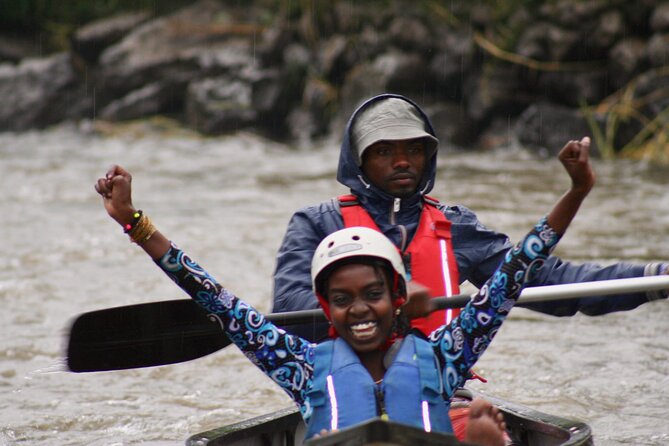
The river is not entirely flat and sleepy. Small rapids and sections of quicker flow provide the trip’s main physical challenge. A road bridge is described as one point where the water can become more exciting, with splashes that may cool you off whether you planned on swimming or not.
You will probably work with your canoe partner to keep the boat straight. That makes the outing more than a sightseeing ride, but it should not demand advanced fitness. The experience asks for a moderate physical fitness level, and the minimum age is seven. Anyone under 16 must be accompanied by a responsible adult.
The family accounts are encouraging. Children enjoyed the calm water and the small rapids, while guides were described as very careful about safety. At the same time, parents should be realistic about the wet factor. A child who dislikes splashing, sitting still, or following paddling instructions may not enjoy six hours around a river.
The river’s difficulty can change with conditions. The material provided does not give a precise rapid classification or a detailed equipment list, so ask the operator what the current route looks like before you go. If you are unsure about your fitness or swimming ability, raise that before departure rather than after reaching the launch point.
More things to do in Volcanoes National Park:
- 1 Day Rwanda Gorilla Trekking Tour In The Volcanoes National Park
★ 5.0 · 31 reviews - Kigali: Rwanda Gorilla Tracking in Volcanoes National Park
★ 4.9 · 22 reviews - Authentic Village Tour
★ 5.0 · 14 reviews - 5 Days Volcanoes National park and Lake Kivu
★ 5.0 · 11 reviews
Twin Lakes Recreational Island and the second water setting
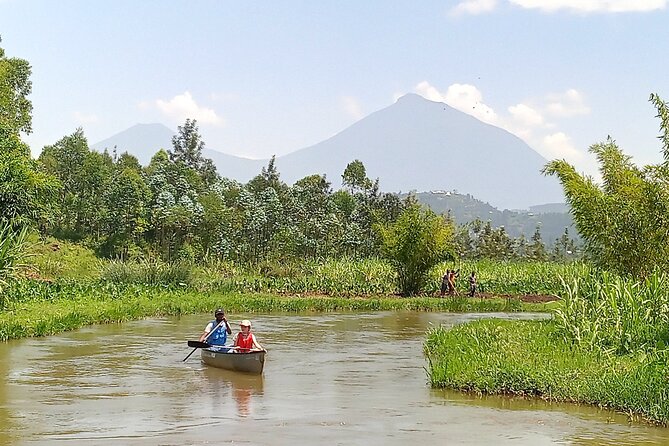
The second three-hour section is connected with Twin Lakes Recreational Island, in the area of Lake Burera and Lake Ruhondo. These lakes offer a different setting from the river, with broad water views and hills around the shoreline.
The river section is about movement through farms and villages. The Twin Lakes portion appears more focused on open-water scenery and a peaceful paddle. If both sections are included on your day, the contrast should keep the experience from feeling repetitive.
There is an important practical detail here: admission to Twin Lakes Recreational Island is not included. Bottled water, a professional guide, and local pickup and drop-off are included, but food, drinks, and this admission cost are separate. Ask for the current entrance fee and confirm how much time is spent there before you pay, since the stated price covers the canoe experience but not every possible expense.
Wildlife watching without a safari vehicle
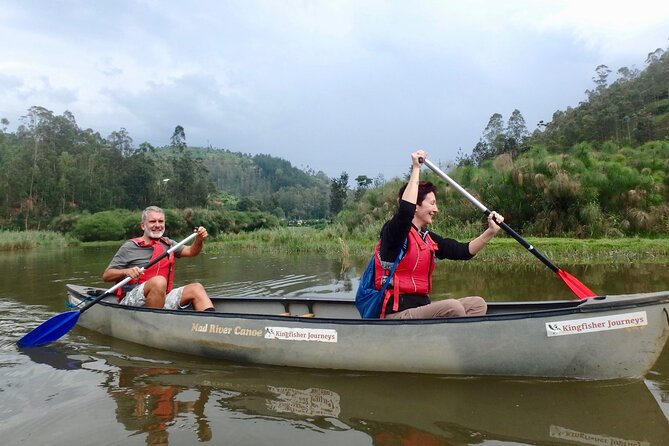
This is not a dedicated wildlife tour, and you should not book it expecting guaranteed animal sightings. Its strength is the chance to notice small, local details while moving slowly along the water.
Birds are the most realistic focus. Kingfishers and herons are specifically associated with the route, and the guides can help identify species and explain the river environment. Otters have been seen, but they are elusive. The right attitude is to enjoy the birds and scenery, then treat an otter sighting as a lucky extra.
The low position of a canoe changes how you see the river. You are close to the banks and moving at a pace that allows you to watch people work and listen to the water. You may also encounter local residents along the route. The experience is strongest when you approach those scenes with courtesy, keeping photography respectful and following the guide’s lead.
Safety, river conditions, and the honest drawbacks
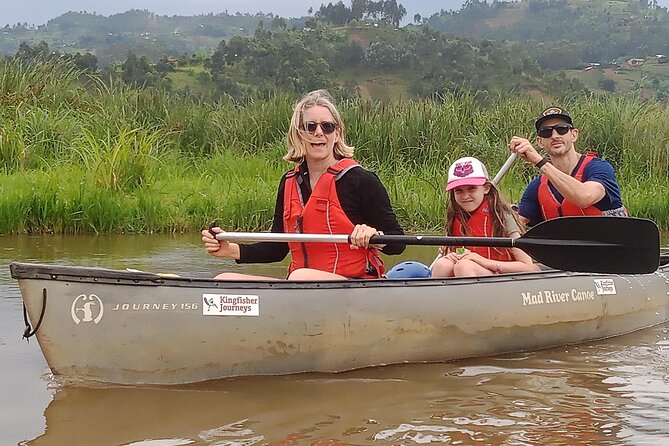
The safety record presented here is mostly reassuring. Guides provide a briefing, accompany the canoes, and are described as careful and attentive. Families with children have found the water manageable, and the operator places clear emphasis on trained leaders and safety.
Still, I would not ignore the less positive details. One account describes rubbish in brown river water and heavy use of insect repellent. Another describes a situation where children on the bank threw rocks while the guide’s boat was separated from the group. The operator responded that safety is taken seriously and tried to follow up, but the concern remains useful for anyone deciding if this is the right outing.
Conditions may vary by season and recent weather. The recommended clothing includes shorts and a T-shirt, sandals, and a raincoat during the wet season. Use insect repellent, even though one description reportedly suggested there would be few bugs. Carry valuables in a waterproof bag and avoid bringing anything that cannot handle a splash.
The maximum group size is eight. That is a good limit for keeping boats together and making it easier to communicate, though you should still pay attention to the guide’s position on the river. If your group includes young children, ask how the boats will be arranged and how guides supervise each canoe.
Is $75 a fair price?
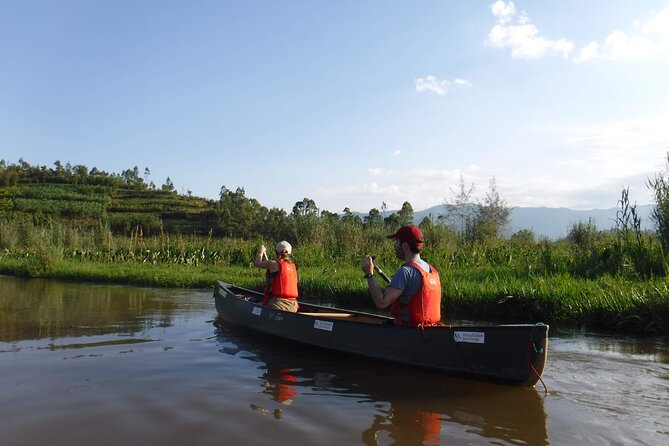
At $75 per person, this is not the cheapest way to spend an afternoon in Musanze. The value depends on what you want from the day.
The price includes the guide, bottled water, local pickup and drop-off from designated meeting points, and the canoe outing itself. You are also paying for equipment, route planning, and a small-group format. If you are staying in Musanze and want a guided activity that combines scenery, village views, birds, and light adventure, the cost is reasonable.
The value is weaker if you expect a major adrenaline experience or a guaranteed wildlife encounter. The river is generally gentle, and the otters are not guaranteed. You should also budget for food, drinks, any Twin Lakes admission, and extra transport from Kigali.
This can be a particularly good use of time between larger activities. Gorilla permits and volcano hikes can dominate a Rwanda itinerary, both financially and physically. A river trip gives you a more relaxed way to see the region while still filling half a day with something active.
Who should book this outing?
I would recommend it to first-time paddlers, families with older children, couples, small groups, and anyone who wants to see Musanze beyond gorilla trekking. It also suits people who enjoy birdwatching but do not want a formal, highly specialized wildlife excursion.
It may work well for older adults with moderate fitness, since the river is usually calm and the physical effort is not described as severe. You still need to paddle, sit in a canoe, handle some splashes, and manage small sections of faster water.
I would be more cautious if you dislike wet clothes, insects, uncertain water quality, or loosely defined schedules. If rubbish in a river would spoil the day for you, ask about the current condition of the Mukungwa before booking. The same applies if you need a firm six-hour timetable.
The experience has a 4.7 rating from 40 ratings, with 95 percent recommending it. That matches its strongest qualities: pleasant guides, beautiful countryside, gentle adventure, and an excellent chance to see ordinary Rwandan life from a fresh angle.
Final decision: book it for the view, not the thrills
You should book the Mukungwa River canoe trip if you want a calm, personal outdoor activity with birdwatching, village scenes, and a few lively stretches of water. Guides such as Eve, Yves, Sharon, Benjamin, and Eloi have been praised for making the day friendly, informative, and safe.
Before paying, confirm the exact six-hour plan, the river’s current condition, the Twin Lakes admission cost, and pickup time. Pack sandals, quick-drying clothes, insect repellent, a raincoat in wet weather, and waterproof protection for your phone.
For a quiet look at northern Rwanda after the intensity of a gorilla trek or volcano hike, this is a strong choice. For serious whitewater action or a polished resort-style outing, choose something else.
FAQ
Where does the Mukungwa River canoe trip take place?
The experience operates from Musanze, also called Ruhengeri, in northern Rwanda. The usual meeting point is La Silene, a coffee shop on the Kigali road near the bottom of the hill just outside Musanze, unless another location is arranged.
How long does the canoe trip last?
The stated duration is approximately six hours. The detailed schedule describes about three hours with Kingfisher Journeys and three hours connected with Twin Lakes Recreational Island.
Is hotel pickup included?
Pickup and drop-off from designated meeting points in Musanze are included. Confirm the exact pickup arrangement before departure, especially if you are staying outside the usual area.
Can private transport from Kigali be arranged?
Yes. Private transportation from Kigali can be arranged at an additional cost. It is not included in the $75 base price.
How much does the experience cost?
The listed price is $75 per person. Food, drinks, and admission to Twin Lakes Recreational Island are not included.
Do I need canoeing experience?
No. The activity is suitable for beginners, and a professional guide provides instruction and leads the trip. You should still have a moderate level of physical fitness.
What is the minimum age?
The minimum age is seven. Anyone under 16 must be accompanied by a responsible adult.
What should I wear?
Wear shorts and a T-shirt, or other clothing that you do not mind getting wet. Sandals are recommended, along with a raincoat during the wet season.
Can I see birds and otters?
Birds including kingfishers and herons may be seen along the river. Otters have also been spotted, but wildlife sightings are not guaranteed.
What is the cancellation policy?
You can cancel for a full refund if you do so at least 24 hours before the experience start time. Cancellations or changes made less than 24 hours in advance are not accepted for a refund.
Just added in Volcanoes National Park
- Hiking Binana Mountain & Waterfalls in Rwanda★ 5.0 · 2 reviews
- Cultural Entertainment Tour★ 5.0 · 3 reviews
- Boat cruise in Twin lakes and Lake Kivu★ 5.0 · 3 reviews
- 1 Day Gorilla Trekking Safari in Rwanda Volcanoes National Park★ 5.0 · 3 reviews
- Rwanda: 7-Day Gorillas, Chimps, Big 5, and Big Cats Tour★ 5.0 · 1 review
- Mount Bisoke Hike in Volcanoes National Park★ 5.0 · 1 review
- From Kigali: Volcanoes National Park Gorilla Trek with Lunch★ 5.0 · 2 reviews
- From Kigali: 8-Day Gorillas, Chimps, Big 5 & Big Cats Safari★ 5.0 · 1 review
Volcanoes National Park Tours, compared.
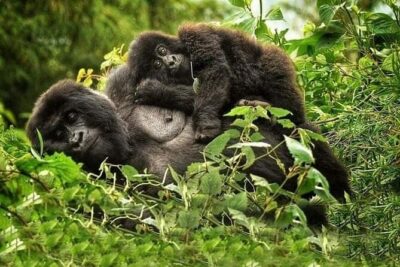
1 Day Rwanda Gorilla Trekking Tour In The Volcanoes National Park
Read our review →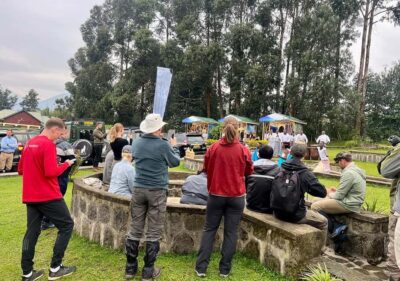
Rwanda Gorilla Tracking in Volcanoes National Park
Read our review →
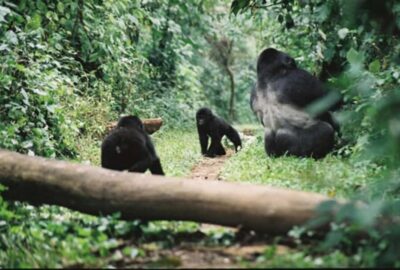
1 Day Gorilla trekking volcanoes national park
Read our review →
Browse the lists this tour appears in